REVIEW · DMZ TOURS
Private DMZ(Demilitarized Zone) Tour with DMZ experts
Book on Viator →Operated by Here Korea Travel · Bookable on Viator
A DMZ day is both eerie and educational. This private tour adds real context from DMZ experts while keeping you moving in a comfortable vehicle, not stuck in a chaotic crowd line. I like that it’s built as a true private outing, with the freedom to adjust your pace and stops along the way.
Two things I’d repeat: the flexible itinerary and the way your guide turns each checkpoint into a clear story you can actually remember. You’ll likely cover iconic sites like Imjingak Peace Park, the Bridge of Freedom, the Third Tunnel, and Dora Observatory, plus a Korean BBQ lunch day-plan. One possible drawback: DMZ access is tightly controlled, so expect lines or waiting at peak times and holidays.
In This Review
- Key highlights to clock before you go
- Private DMZ tour from Seoul: what makes it feel different
- The 6–8 hour rhythm: timings, pacing, and why your morning buffer matters
- Imjingak Pyeonghoa-Nuri Park: the orientation stop that sets your whole DMZ mindset
- Bridge of Freedom: a short stop with a big emotional punch
- Inside the DMZ: Odusan-style viewpoints, the rules, and your guide’s role
- Third Tunnel: stepping into a chapter you can walk through
- Tongilchonan-gil: souvenirs and snack time without the stress
- Dora Observatory: clear viewing time and the power of plain observation
- Korean BBQ lunch and food timing: how to handle meals correctly
- Price and value at $250 per person: what you’re really paying for
- Who this tour fits best (and who might want a different plan)
- Should you book this private DMZ tour?
- FAQ
- How long is the DMZ private tour from Seoul?
- What time is hotel pickup?
- Is this tour private for just my group?
- Which major DMZ stops are included?
- Are entrance tickets included?
- Is Korean BBQ included, and is there a vegetarian option?
- What if I need to cancel?
Key highlights to clock before you go
- Private vehicle from Seoul with bottled water, so the day feels smooth even if the area is anything but
- DMZ-expert, English-speaking guide to explain what you’re seeing and why it matters
- Imjingak Peace Park time limits (including a Civilian Control Zone window) that shape your schedule
- Third Tunnel access plus time for documentary-style context before you go inside
- Dora Observatory viewing time where you can see North Korea with your naked eyes
- Food stop built in, including Korean BBQ and options for vegetarians (tell them ahead)
Private DMZ tour from Seoul: what makes it feel different
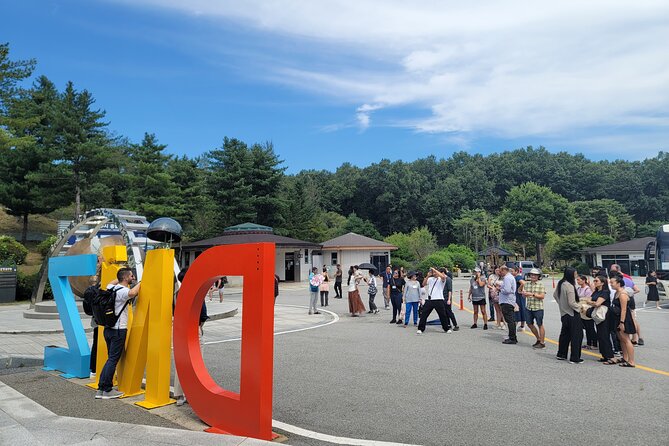
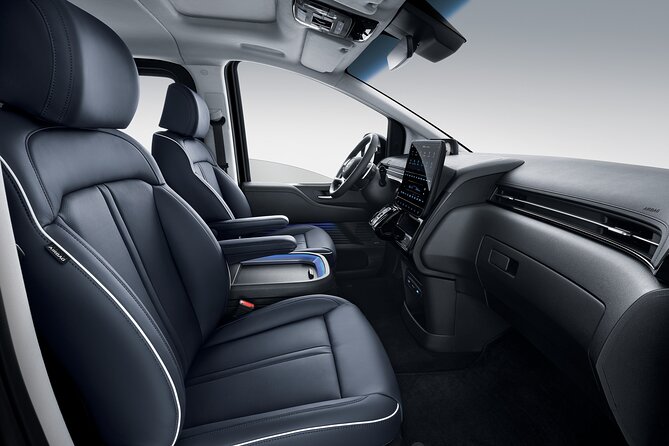
A good DMZ visit has two parts: the geography and the human story. This tour tries to do both. You leave Seoul in a private, air-conditioned vehicle, with hotel pickup around 09:00, and you’re not managing transfers or ticket confusion on your own. If you’ve ever tried to piece together DMZ transport independently, you already know why that matters.
The second difference is how it’s guided. People rave about guide-style details and pacing, with names like Junie, Harry, Kevin, Sophia, Christine, Taylor, Robert, Vincent, Jake, and Jones popping up in feedback for being punctual and helpful in the moment. That’s not trivia. It’s the difference between seeing metal gates and empty fields, versus understanding what each site represents and what you’re allowed to do there.
The private format also matters for timing. One tour even swapped plans when DMZ access was closed, and the guide still kept the day meaningful for an older father who wanted specific places. You can’t control government rules, but you can control whether your day collapses into stress. This tour is designed to avoid that.
You can also read our reviews of more private tours in Seoul

The 6–8 hour rhythm: timings, pacing, and why your morning buffer matters

This is an all-day outing, usually around 6 to 8 hours. Expect a full morning start (hotel pickup at 09:00) and then long stretches where you’re moving between controlled areas. The itinerary is flexible because it’s private, which is useful—DMZ days run on real-world constraints.
Here’s the practical part: DMZ access is managed with strict rules, and capacity can be limited. On major Korean holidays, planning can shift and waiting time can grow. In one case, a guest described a very long wait after arriving at the tour center before boarding a bus. That’s a reminder to build margin into your schedule. I’d treat this like a day where you’re leaving early for the process, not just for sightseeing.
Also note the day is not just one stop. It’s a sequence: peace park orientation, a quick photo moment at the Bridge of Freedom, then a chunk of DMZ site time, followed by the Third Tunnel and Dora Observatory. That structure helps you avoid the “one location, then you’re done” feeling.
Imjingak Pyeonghoa-Nuri Park: the orientation stop that sets your whole DMZ mindset
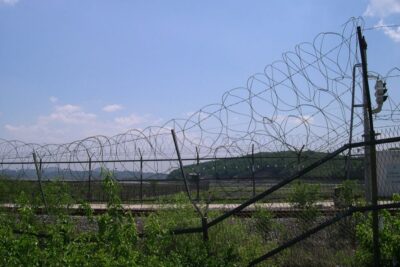
Imjingak Pyeonghoa-Nuri Park is often your first big checkpoint feeling. It’s the spot tied to the Imjingak peace-tour loop, connected to North Korea, and it’s where you get the bigger picture before you hit the deeper DMZ areas.
You’ll typically spend about 1 hour here, and the day-plan includes a longer Civilian Control Zone window (up to 3 hours allowed there). This is the part that can shape your energy. When you arrive, you’ll likely be in a guided flow—orientation, background, and then time to actually take in the views and nearby peace-park atmosphere.
A couple specific elements matter for your experience:
- The park is associated with peace-tour components such as the Unification Village market area, plus routes that connect onward to major DMZ sites.
- The time limit isn’t a buzzkill; it’s a reality you should plan around. A good guide will help you use that window well rather than spending it in confusion.
The upside is that Imjingak gives you a “before” feeling. Then, when you reach the more intense sites like the Third Tunnel and Dora Observatory, you’re not just looking—you’re reading the scene with context.
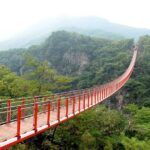
Bridge of Freedom: a short stop with a big emotional punch
Right after Imjingak, the itinerary usually includes a brief stop at the Bridge of Freedom. It’s located at Imjingak Peace Park, connected to North Korea, and it’s short—around 5 minutes. Admission here is free.
Yes, it’s quick. That’s actually how you want it. For many people, lingering too long can turn the moment into a forced photo routine. A short stop works best: a chance to look, take a photo if you want, then move on while the guide’s story is still fresh.
If you’re the type who likes meaning over max snapshots, this is a good fit. Your guide’s explanation helps you understand why a bridge can be symbolic even when you’re standing far from the actual border drama.
Inside the DMZ: Odusan-style viewpoints, the rules, and your guide’s role
The main DMZ block is where the day earns its name: about 5 hours on-site, with entrance included. This part is structured around controlled access, which means what you can do is less about personal desire and more about what officials allow that day.
In the broader plan, the tour concept includes DMZ viewing from places like Odusan Unification Observatory—where you can get a peek at North Korean villages—and then additional history stops that may be swapped in based on your interests. For example, the tour overview describes pairing DMZ time with stops such as the War Memorial of Korea (to pay respects) and Gyeongbokgung Palace (to add royal-era context). Those are best understood as potential substitutions within a flexible private day.
This is also where a great guide changes everything. One common compliment in feedback is that guides help you avoid crowd chaos at major points like the Third Tunnel. On DMZ days, the crowd issue isn’t just annoying—it can affect how calmly you can absorb information. Your best strategy is to rely on your guide’s timing and keep your questions ready.
And remember the practical boundary: DMZ is an operationally sensitive area. That means waiting, check-in steps, and schedule shifts can happen, especially during busy seasons or weather disruptions. The tour is set up to guide you through those steps, but you should still expect the day to follow rules first, sightseeing second.


Third Tunnel: stepping into a chapter you can walk through
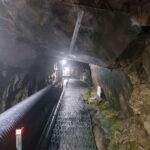
The Third Tunnel stop is built for people who want more than observation. You’ll spend around 1 hour here, with admission included.
What makes this stop work is the combination:
- You can go down the tunnel yourself.
- There’s also a documentary-style film component to set context.
- Your guide explains what you’re seeing and ties it back to the Korean War and the DMZ’s role.
The tunnel experience is physical. Even if you’ve read about it, walking in the space changes your mental model. It’s narrower and tighter than people expect, and your attention shifts from the landscape to the construction reality.
If you tend to be nervous in enclosed spaces, plan to move slowly and keep your breathing steady. And if you’re traveling with older family members, a guide’s pacing matters. Multiple feedback notes mention guides being patient and managing timing well, which can be the difference between an okay tunnel stop and a real highlight.
Tongilchonan-gil: souvenirs and snack time without the stress
After the heavier parts, the itinerary includes Tongilchonan-gil for about 15 minutes. It’s described as the last DMZ-tour stop for souvenirs and snacks, and admission is free here.
This is a simple but smart pacing choice. After tunnels and observatories, people often want something normal—food, a quick browse, a small purchase to remember the day by. Keeping this short helps you avoid turning the emotional stops into a shopping errand.
If you’re food-driven, you’ll likely appreciate the contrast. Snacks at this stage won’t solve the whole meal question, but they keep the day from feeling like it’s only checkpoints and waiting.
Dora Observatory: clear viewing time and the power of plain observation
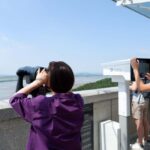
Dora Observatory is the visual payoff. It’s located in the DMZ, and it’s the stop where you can see North Korea with your naked eyes. You’ll typically have about 30 minutes here, with admission included.
This is one of the few moments that feels purely observational. Your guide’s job here is to help you look efficiently—what to notice, what distance does to perception, and how the sightlines connect to the broader political reality.
One practical tip: 30 minutes sounds short, but it’s enough if you don’t freeze trying to interpret everything at once. I suggest you scan first, then ask your guide to point out what you might be missing. That keeps it from becoming a silent staring contest.
If you’re someone who likes factual details, you’ll likely enjoy this stop more with a guide who can translate what you’re seeing into clear context rather than just describing scenery.
Korean BBQ lunch and food timing: how to handle meals correctly
Korean BBQ lunch is part of the day plan in the tour overview, and multiple feedback examples mention a satisfying meal. There are also vegetarian options, and guides have handled vegetarian needs for group members in feedback.
Still, the included-items list you’ll see can be inconsistent in how it labels meals. So do yourself a favor: confirm what’s included for your specific booking. Ask whether lunch is covered, and what the vegetarian plan looks like.
Food timing matters on a DMZ day because you’re often moving through controlled schedules. When lunch works, the day feels human. When lunch doesn’t, the whole day feels like logistics. Guides who are good at pacing help keep you fed without rushing you through the important stops.
Price and value at $250 per person: what you’re really paying for
At $250 per person, this is not a budget add-on. It’s priced like a full-day private experience with DMZ specialist guidance.
Here’s where the value usually comes from:
- Hotel pickup and dropoff in Seoul
- Private, air-conditioned vehicle and bottled water
- Entrance fees for DMZ-related sites
- A DMZ-expert English-speaking guide
- Costs tied to the tour vehicle (fuel, parking, tolls)
What’s not automatically covered is meals in the fine print you may see, plus personal expenses. But because BBQ lunch is described as part of the day-plan and has shown up in feedback, many people end up feeling like lunch is part of the package. Just verify for your date.
So who gets the best value? People who want the day to be guided, not improvised—especially if you’re going as a couple or family where waiting around or navigating ticket steps would eat your energy.
Who this tour fits best (and who might want a different plan)
This private DMZ tour is a strong match if you:
- want a calm, guided day with a specialist
- prefer one group and less crowd wrestling
- care about explanations at the Third Tunnel and Dora Observatory, not just photos
- travel with family members who benefit from pacing (including older guests)
It may be less ideal if you:
- hate any chance of waiting or schedule friction
- expect DMZ access to run like a normal museum itinerary
- plan a tightly timed second activity right after the tour without buffer
One subtle benefit: flexibility. If a site is closed or access shifts, you’re more likely to get a meaningful alternative day plan rather than a dead end.
Should you book this private DMZ tour?
If you’re visiting Seoul and want the DMZ to feel understandable instead of random, I’d book it. The big win is the combination of DMZ-expert guidance, private transport, and a schedule that hits both the heavy sites (Third Tunnel, Dora Observatory) and the peace-story setup (Imjingak, Bridge of Freedom).
Just be realistic: this is a controlled-security destination. Build in buffer time, confirm meal details for your booking, and go in ready to follow rules. If you do that, you’ll come away with a day that’s not just shocking—it’s explainable.
FAQ
How long is the DMZ private tour from Seoul?
It runs about 6 to 8 hours, depending on the day’s flow and access rules.
What time is hotel pickup?
Hotel pickup is listed for 09:00.
Is this tour private for just my group?
Yes. It’s described as a private tour, with only your group participating.
Which major DMZ stops are included?
The plan includes Imjingak Pyeonghoa-Nuri Park, the Bridge of Freedom, DMZ time, the Third Tunnel, Tongilchonan-gil, and Dora Observatory.
Are entrance tickets included?
Admission tickets are included for DMZ-related sites on the day plan (DMZ, Third Tunnel, Dora Observatory). The Bridge of Freedom stop is listed as free.
Is Korean BBQ included, and is there a vegetarian option?
Korean BBQ lunch is described as part of the day-plan, and a vegetarian option is available if you advise at booking. Confirm the exact meal coverage for your date.
What if I need to cancel?
You can cancel up to 24 hours in advance for a full refund, per the tour’s cancellation terms.