Seoul feels personal fast with this private walking plan. You’ll hit major heritage stops plus everyday local life, with Gyeongbokgung Palace tickets included and a guide who explains what you’re actually looking at. It’s a private tour for your group, so the pace and questions stay focused on your interests.
I especially liked the mix of places you’d miss if you just followed a map. Gwangjang Market is a great sensory start, and the walk through Bukchon Hanok Village turns pretty streets into places with context.
One thing to consider: this is still a walking tour. With a moderate fitness level requirement and a ~3-hour schedule, you’ll want comfy shoes and a plan for hot weather, and the palace time is short enough that perfectionists may want to add extra hours later.
In This Review
- Key Highlights You’ll Actually Use
- A First-Day Seoul Route That Feels Like Having a Local Friend
- Gwangjang Market: Start Loud, Eat Smart, Then Ask for the Right Bites
- Jogyesa Temple: Calm Time in the Middle of the City
- Bukchon Hanok Village: Preserved Streets and Better Views Than You’d Find Alone
- Gyeongbokgung Palace: Tickets Included, Stories Included, Time Limited (In a Good Way)
- How Much Walking Is In This 3-Hour Plan?
- Price and Value: When $123.22 Feels Worth It
- What Makes This Tour Worth Doing Again (Even If You Like Guidebooks)
- Best Fit: Who Should Book and Who Might Prefer Something Else
- Should You Book This Seoul Private Walking Tour?
- FAQ
- How long is the Seoul private walking tour?
- Is it truly private for just my group?
- What stops are included on the route?
- Are Gyeongbokgung Palace tickets included?
- Is any food or drink included?
- Can I cancel and get a full refund?
Key Highlights You’ll Actually Use
- Gyeongbokgung Palace admission included, so you don’t waste time or money sorting tickets on the spot
- Private guide for your party only, which makes questions and photo stops easy to handle
- Gwangjang Market snack culture, including the famous Bin Dae-tteok (mung bean pancake)
- Jogyesa Temple in the city center, built in 1395, with calm temple atmosphere even downtown
- Bukchon Hanok Village walk, with preserved hanoks and room for viewpoints and quieter lanes
- A local drink/tasting is included, and routes sometimes add a tea-house style break
A First-Day Seoul Route That Feels Like Having a Local Friend
This tour is built for people who want Seoul to make sense quickly. In about 3 hours, you move from food-market energy to palace grandeur to traditional neighborhoods, with your guide stitching it together with stories and practical tips.
You’ll start in Jongno District at 159 Sejong-daero, which is a central area and usually easy to reach by public transit. The tour is private, so it’s not a cattle-line experience. If you want to stop for a photo, ask a question, or slow down on a photo-heavy street, you can.
The best part for me is that the route isn’t just “see the famous thing.” It’s built to show you how Seoul works in real life: where people eat, how temples fit into city life, and why certain neighborhoods feel preserved rather than staged. Guides such as Sarah, Cristina, Jin, John, Ho Jin (Jimmy), Camille, and Yejin are mentioned frequently for being engaging and flexible, which is exactly what you want on an orientation day.
Possible drawback: the itinerary is tight. Gyeongbokgung Palace is included, but you’ll only have about 30 minutes there. If you’re the type who wants to read every sign and spend hours in courtyards, plan a second visit on another day.
You can also read our reviews of more walking tours in Seoul
Gwangjang Market: Start Loud, Eat Smart, Then Ask for the Right Bites
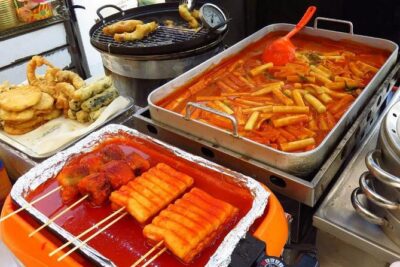
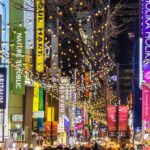
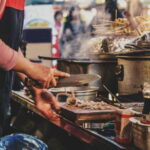
Your first stop is Gwangjang Market, with about an hour to wander and sample Korean street food culture. This place is known for both the atmosphere and the food, and one standout to look for is Bin Dae-tteok, a mung bean pancake that’s been around for over 100 years.
What I like about beginning here: it grounds your trip. You’re not just looking at historical sites; you’re learning what people actually eat and buy. Your guide can help you navigate the snack rhythm—what’s worth trying, what to skip, and how to order without standing there translating your way into confusion.
A practical note: the tour includes 1 local drink/tasting, but it doesn’t promise that every food you see will be included. So think of it as a “guided tasting and ordering help” moment, not an all-you-can-eat pass. If you’re doing this on day one, you’ll get the pattern for the rest of the trip.
Also, wear light shoes you can walk in comfortably. Market floors and crowds can turn a short walk into real steps fast.
Jogyesa Temple: Calm Time in the Middle of the City
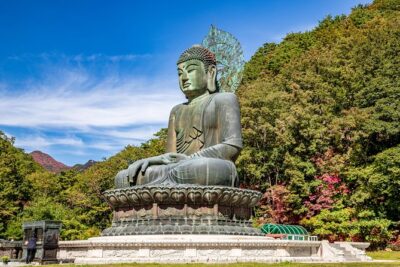
Next up is Jogyesa Temple, about 30 minutes. It’s one of central Seoul’s best-known Buddhist temples, and it’s associated with lotus lanterns and greenery. The temple dates to 1395, which matters because it helps you understand why this site feels rooted even while modern buildings push in around it.
In half an hour, you won’t cover every corner, but that’s not the goal. The goal is to slow your pace for a moment and learn what to notice: temple layout cues, the way space is used, and the everyday role of a major religious site.
If you like photos, this is often a good segment because the light and the temple details give you shots that don’t look like generic postcards. Just keep your expectations realistic: 30 minutes is a teaser, not a full temple deep dive.
Bukchon Hanok Village: Preserved Streets and Better Views Than You’d Find Alone
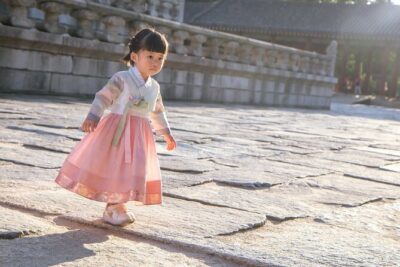
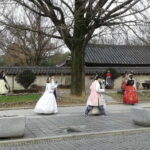
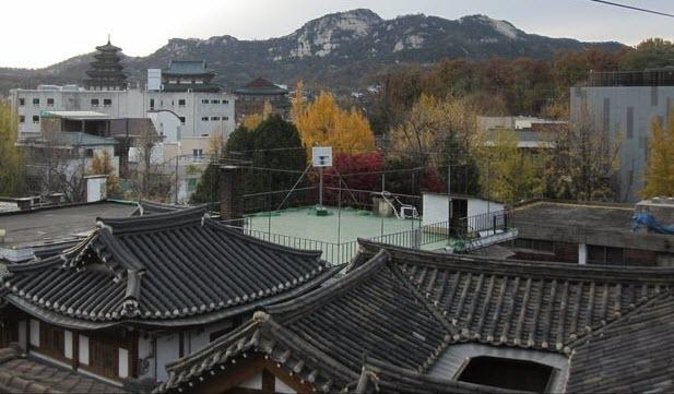
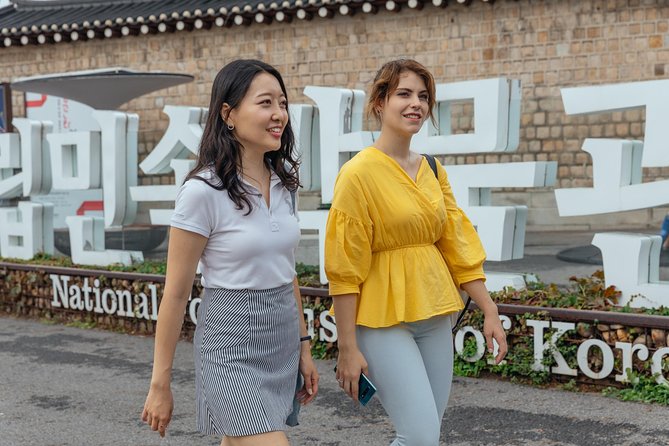
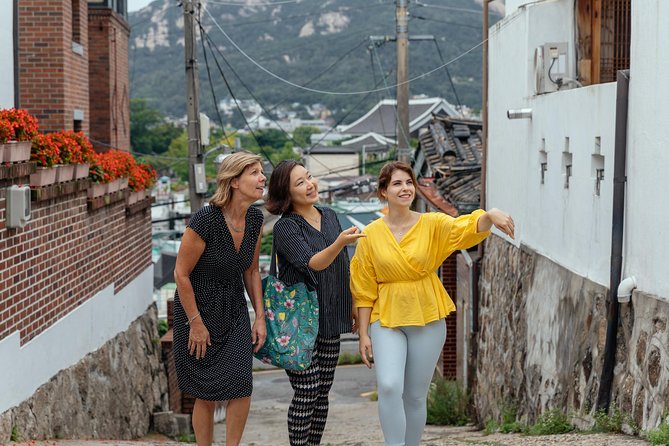
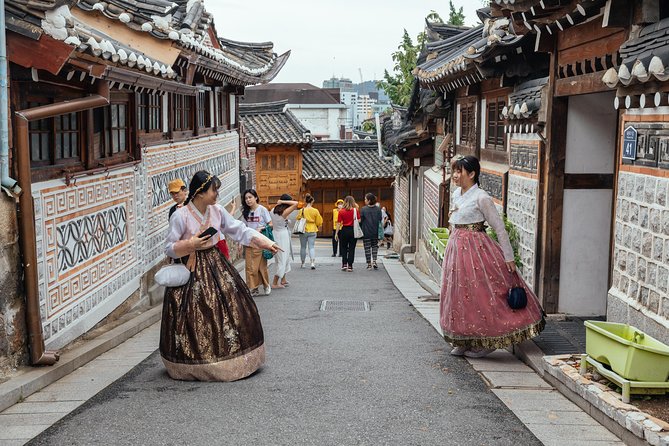
Then the tour heads into Bukchon Hanok Village, with about 1 hour of walking. This area is known for preserved hanoks—traditional Korean houses—and it has roots that go back almost 600 years. That time depth is part of why the neighborhood feels different from the surrounding city blocks.
I like this stop because it teaches you how to “read” a neighborhood. Instead of simply admiring buildings, you start noticing the logic: street patterns, how homes relate to the hillside, and why certain lanes feel calmer. With a guide, you’re more likely to get pointed toward angles and side streets that make photos look intentional, not accidental.
Some guides also tailor the route based on conditions. On hot days, for example, one guide adjustment described included being prepared with fans and umbrellas, and changing pace when walking was too much. That kind of flexibility can turn Bukchon from “pretty but sweaty” into “wow, I’m glad I came.”
Also keep an eye out for a tea-house style stop. The tour includes a local drink/tasting, and one described experience included a stop at a historic tea-house in the Bukchon area with local fruit tea and sweets. You might not get the exact same break on every route, but it gives you a sense of what that included tasting can feel like.
Gyeongbokgung Palace: Tickets Included, Stories Included, Time Limited (In a Good Way)
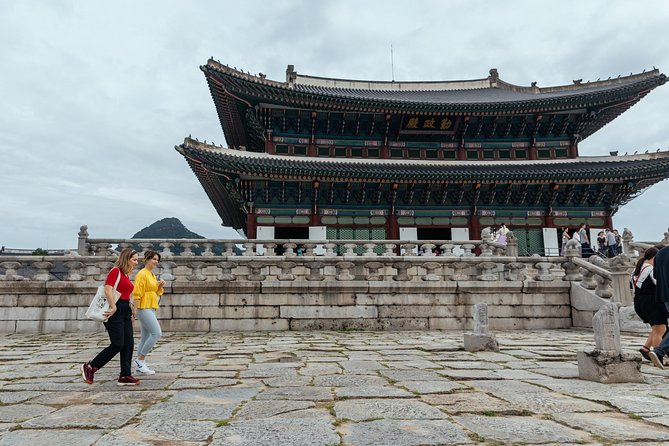
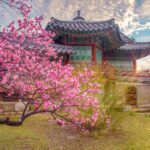
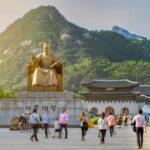
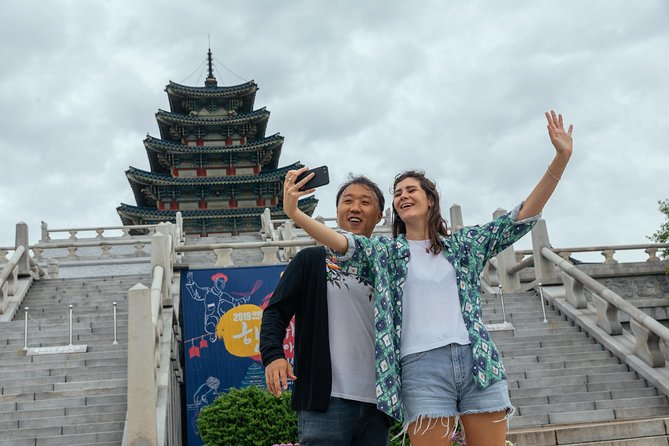
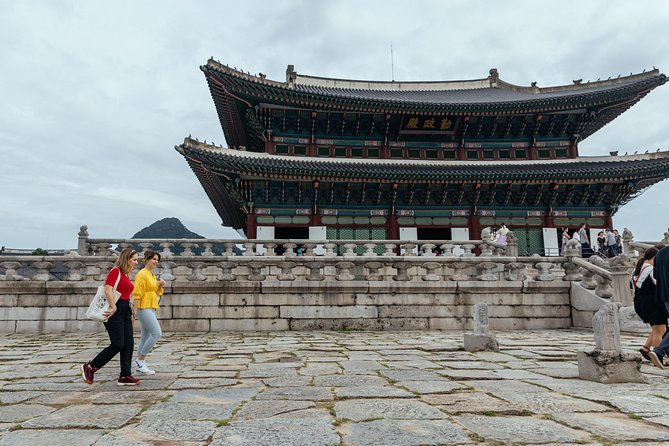
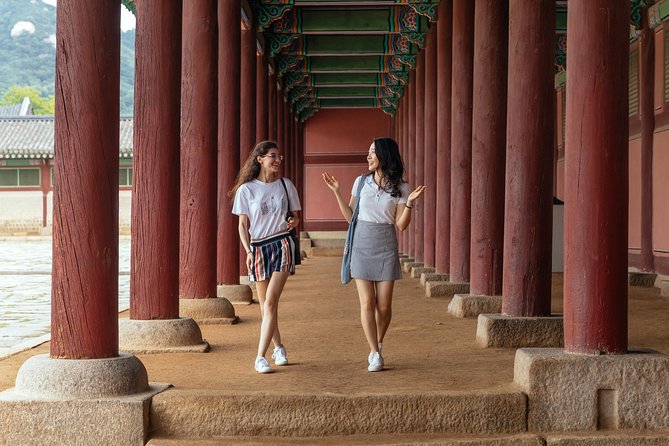
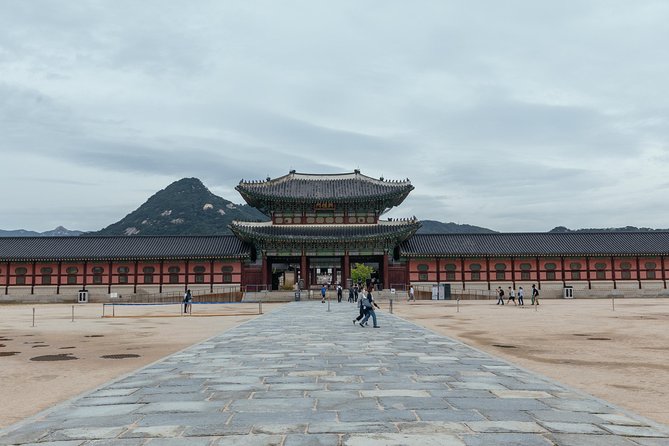
Finally, you’ll visit Gyeongbokgung Palace. Admission is included, and the scheduled time is about 30 minutes, though your guide’s storytelling can stretch that experience beyond the clock.
This stop matters for two reasons. First: it’s a big centerpiece of Korean royal history and architecture, so it gives your Seoul day a “headline” moment. Second: a local guide can translate what you’re seeing into something you can remember later—how the place functioned and what certain details mean.
Thirty minutes is short, so plan your priorities. Go in thinking like a visitor with a mission:
- Look for the main views and key courtyards your guide points out
- Take a few wide photos, then circle back for details if time allows
- Don’t try to “finish the palace” today; treat this as a guided orientation
Your guide’s role here is to make the time feel worthwhile. Many people care less about how many gates they pass and more about whether the experience makes sense when they leave.
You can also read our reviews of more private tours in Seoul


How Much Walking Is In This 3-Hour Plan?
This is a moderate physical fitness tour. Expect real walking, not just strolling. In one description, someone noted they hit 15k steps without realizing it, which is a reminder to plan for Seoul walking pace.
That matters because the itinerary hits several neighborhoods that are walkable but not flat-cartoony. Cobblestones, long blocks, and crowd timing can add up.
The good news: private means pace can adjust. Some guides have handled extreme heat by bringing umbrellas and fans, and in at least one hot-weather example, the guide even adjusted the route by using a car when it got too uncomfortable. You should still pack for the day you’re traveling.
Practical advice:
- Wear shoes you trust
- Bring water
- If you’re traveling in summer, plan for heat and light sun protection
Price and Value: When $123.22 Feels Worth It
At $123.22 per person, this isn’t the cheapest way to tour Seoul. But it’s also not trying to compete with a big bus group. The value comes from three bundled components:
1) Private guide time with a personalized route
This matters when you want more than facts. You want help making decisions: what to prioritize, how long to spend, what to do next.
2) Gyeongbokgung Palace admission included
That saves you the hassle of buying tickets and lets the guide manage the flow.
3) One local drink/tasting included
It adds a genuine local-life moment, rather than a strictly sight-seeing day.
Also, there are group discounts, and the tour includes a mobile ticket. People tend to book these fairly ahead of time (about 37 days in advance on average), which usually means it’s easiest to get your preferred guide/time when you plan earlier.
Who gets the best value? If you’re on a short trip and you want a clean first-day orientation, paying for a guide helps you avoid spending your limited hours “figure-it-out” time.
Who may feel it’s overpriced? If you already know exactly what you want to see, love DIY wandering, and don’t care about explanations or ticket bundling, you could piece together a cheaper day on your own. But that DIY day often turns into extra transit time and missed context.
What Makes This Tour Worth Doing Again (Even If You Like Guidebooks)
After a day like this, you can use your memory like a map. You’ll come away with:
- A better sense of where things are in Seoul
- A clearer understanding of why some neighborhoods feel preserved
- Practical direction for the rest of your trip, based on what you liked most
The included palace stop is a good example. Even if you don’t get “everything,” you’ll likely leave understanding what the place is and where to return for a longer visit.
And because it’s private, you can tune the day. If you care more about temples, you can ask for more context at Jogyesa. If you care more about neighborhoods and daily life, you’ll get more time-focused explanations on Bukchon streets and viewpoints.
Best Fit: Who Should Book and Who Might Prefer Something Else
This tour is a strong match for:
- First-time visitors who want an efficient orientation
- People who like asking questions and getting personalized pacing
- Travelers who want both major landmarks and everyday city culture in one day
- Couples or small groups who want privacy instead of a crowded group experience
It may not be the best fit if:
- You’re obsessed with palace history and want hours inside Gyeongbokgung Palace right away
- You don’t like walking for several stretches in a single outing
- You prefer a fully self-guided day with no guide input
One more practical point: guide quality can make or break any guided day. The overall rating is 4.6 across 83 reviews, but there are also a few serious complaints in the set. Your best protection is to confirm your meeting point details in advance and keep an eye on any messages in your booking app, especially if you’re traveling on a tight schedule.
Should You Book This Seoul Private Walking Tour?
Yes, if you want a Seoul day that feels practical, human, and well-paced for a short stay. The combination of Gyeongbokgung Palace tickets, a temple stop, Bukchon hanoks, and Gwangjang Market gives you a balanced snapshot that’s hard to replicate quickly on your own.
Skip it or consider pairing it with extra time elsewhere if you’re expecting a long, slow palace visit or if you’re traveling with limited mobility. The tour is designed for walking and for seeing a lot within about three hours.
If you book, do one simple thing: plan your priorities before you go. Decide what you want most—palace context, neighborhood wandering, or market-food direction—then ask your guide to steer your day toward that. That’s where the private format pays off.
FAQ
How long is the Seoul private walking tour?
It runs for about 3 hours.
Is it truly private for just my group?
Yes. It’s a private tour, and only your party and your local guide participate.
What stops are included on the route?
The itinerary includes Gwangjang Market, Jogyesa Temple, Bukchon Hanok Village, and Gyeongbokgung Palace. Your guide may include an additional stop depending on the route.
Are Gyeongbokgung Palace tickets included?
Yes. Admission tickets for Gyeongbokgung Palace are included.
Is any food or drink included?
The tour includes 1 local drink/tasting. Food and drink beyond that are not listed as included.
Can I cancel and get a full refund?
Yes. You can cancel for a full refund up to 24 hours before the experience starts. Cancellation within 24 hours is not refundable.