REVIEW · LUNCH EXPERIENCES
Seoul One Day Sightseeing Tour with N Tower and Lunch
Book on Viator →Operated by Tournet Hawaii, Inc. · Bookable on Viator
That first look at Seoul can feel like a lot. This one-day tour is built to get you oriented fast, mixing classic palaces with movie-famous neighborhoods and ending with wide-open city views.
I love the hanbok experience with a professional photographer, plus the fact that your guide helps you turn costume photos into real memories. I also like how the day moves efficiently by vehicle, so you spend less time figuring out transit and more time seeing major sights.
One consideration: N Seoul Tower’s top observatory ticket is optional and not included, so your total cost can creep up if you want the full view from the summit.
In This Review
- Key things to know before you go
- Quick Orientation: How This One-Day Seoul Route Fits Together
- Price and What You Really Get for $168
- Gwanghwamun + Hanbok Photoshoot: Start in Royal Time
- Gyeongbokgung Palace and the National Folk Museum Inside
- Lunch Stop: Korean Food Without the Day Falling Apart
- Bukchon Hanok Village: Alleys, Photo Angles, and 600 Years Nearby
- Samcheong-dong and K-Drama Locations: Seeing Seoul Through Screen Memories
- Downtown Seoul Icons: Blue House, Jogyesa, Gwanghwamun Plaza, and Cheonggyecheon
- N Seoul Tower: Optional Top Ticket, Maximum City-Scale View
- Myeongdong Shopping Street: Fast Souvenirs and Quick Bites
- What Kind of Traveler This Fits Best
- Should You Book This Seoul One-Day Tour?
- FAQ
- How long is the Seoul one-day sightseeing tour?
- What’s included in the price besides the tour itself?
- Is the N Seoul Tower ticket included?
- Does the itinerary include Gyeongbokgung Palace every day?
- How big is the group and what language is the guide?
- Where does the tour start, and when?
- Is free cancellation available?
Key things to know before you go
- Hanbok + photoshoot setup: You pick your hanbok, wear it, and get photos taken as part of the start of the day.
- Gyeongbokgung gets priority time: Palace time is scheduled, and it includes the National Folk Museum inside the palace grounds.
- A lunch break is built in: Korean lunch is included, and the lunch spot shifts based on traffic and timing.
- Bukchon and Samcheong-dong are the best slow-walk stops: You get an hour at each, ideal for alley photos and K-drama location vibes.
- Downtown landmarks are part of the route: You’ll see major sites like Jogyesa, Gwanghwamun Plaza, and Cheonggyecheon as you head toward the tower.
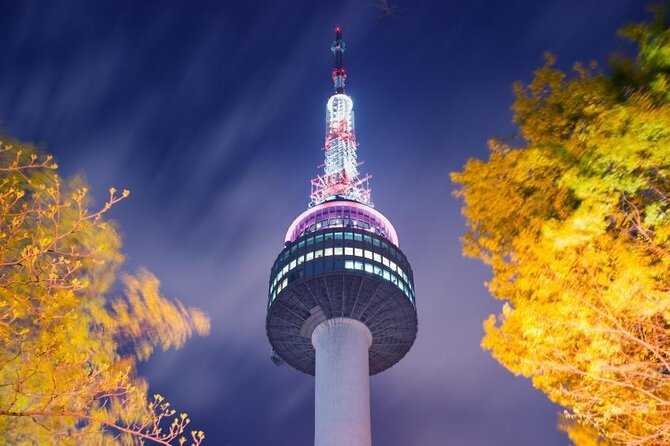
- N Seoul Tower is optional: Entrance area is free, but the ride up and top observatory require an extra ticket.
Quick Orientation: How This One-Day Seoul Route Fits Together
If you’ve got limited time in Seoul, this kind of tour is the practical move. You’ll start with royal-era Seoul, transition into historic palace culture, then shift into neighborhood walks, and finish with a sky-high panorama from N Seoul Tower.
The schedule is also designed for first-timers. Instead of making you pick between palaces, hanok villages, and shopping districts, you’re guided through the major hits in a logical flow: palace area (Gyeongbokgung), traditional alleys (Bukchon), film-land landmarks (Samcheong-dong), then downtown icons (Gwanghwamun and Cheonggyecheon), before the final viewpoint (N Tower) and a short hit of shopping (Myeongdong).
You’ll cover a lot, but you’re not stuck in a bus the whole day either. The itinerary builds in time for walking and looking—especially in the hanok village and film-famous streets—so the day feels like sightseeing, not just sightseeing checkboxes.
You can also read our reviews of more tours and experiences in Seoul

Price and What You Really Get for $168
At $168 per person, the value comes from what’s included versus what’s optional. In your base price, you get hotel pickup within Seoul city limits, an English-speaking guide, lunch (a Korean dish), bottled water, snacks, and gratuities. You also get hanbok rental and wearing, plus the hanbok photoshoot component.
Where this really helps you is at the beginning of the trip. Hanbok rental and the photoshoot are hard to organize on your own if you want it to look good and run on time. The guide also handles the pacing of palace-area visits so you’re not spending your morning juggling tickets, signage, and timing.
The one add-on to plan for is the N Seoul Tower top observatory ticket. The entrance area is free, but if you want the view from higher up, you’ll pay extra (about $14 for adults and $9 for children). If you’re already the type to want the best view, budgeting that extra amount early makes the day feel smoother.
Gwanghwamun + Hanbok Photoshoot: Start in Royal Time
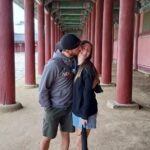
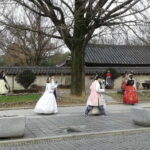
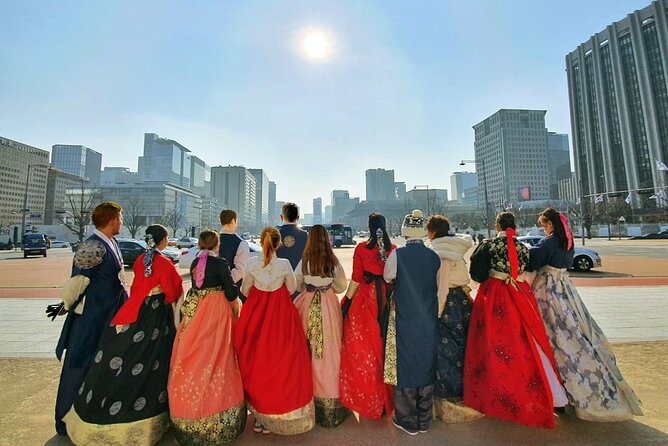
Your tour kicks off in the Jongno/Gwanghwamun area, where the hanbok experience sets the tone. You’ll select the hanbok you want to wear and get assistance putting it on. This is not just a quick dressing room stop—your day starts with photos in traditional attire, including a professional photographer photoshoot.
There’s something oddly satisfying about doing this first. By the time you reach the palace sites later, the clothing isn’t just a photo prop—it’s part of how you see the history around you. Your photos also become a visual bridge between the past and the modern city you’ll explore later.
The pace here is quick (around 20 minutes), so wear comfortable shoes for the dressing-and-walking parts. Also, if you care about photos, keep your hair and accessories simple—your guide will help, but you’ll get better results with less last-minute fuss.
Gyeongbokgung Palace and the National Folk Museum Inside
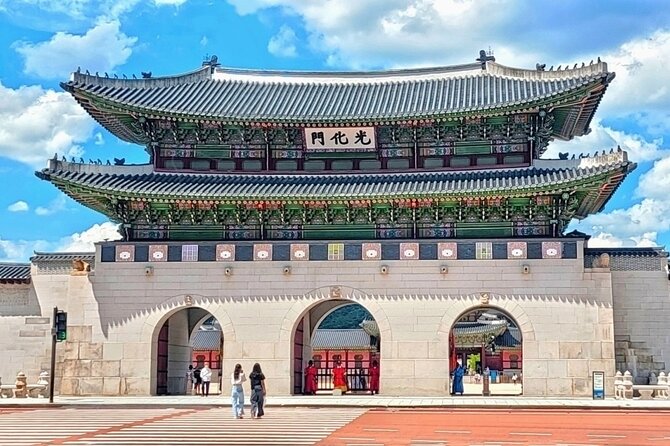
Next up is Gyeongbokgung Palace, widely considered one of the must-see palaces in Seoul. You’ll spend about 50 minutes here, with admission included. Gung means palace, and this is the first palace built during the Joseon Dynasty after the capital shifted to Hanyang (Seoul).
The palace grounds can feel huge, so having guided time matters. Without a plan, it’s easy to wander and end up seeing less than you hoped. With a schedule, you can look at the major structures and get a clearer sense of the palace’s role in Joseon royal life.
A key practical note: Gyeongbokgung is closed every Tuesday, and on those days the itinerary swaps to Changdeokgung Palace. If your visit date is a Tuesday, don’t worry—you’ll still get a palace experience, just on a different set of grounds.
Inside the palace area, you’ll visit the National Folk Museum of Korea for about 20 minutes. This stop is a nice break from architecture-only sightseeing. You’ll learn about daily life from the past, including cultural beliefs and historical domestic and agricultural ways of life. Since it’s located within the palace complex, it’s also an efficient use of time.
One small detail that helps: after the museum stop, there’s a brief return related to the hanbok. That keeps the costume experience from stretching too long.
Lunch Stop: Korean Food Without the Day Falling Apart
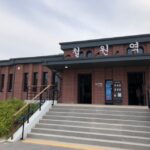
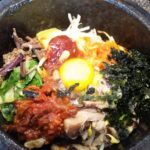
After palaces and museum time, you get a lunch break. Lunch is included and lasts about 1 hour, with a Korean dish served at a location that varies depending on traffic and timing.
That variation is normal for tours because the goal is to keep you on schedule. The trade-off is that you won’t know the exact restaurant name in advance, so treat lunch as included energy for the rest of the day, not a guaranteed food-tour destination.
If you have preferences, you’ll want to manage expectations. The information here only confirms a Korean dish and a set schedule window. You’ll still get a proper sit-down meal, plus water and snacks are also included, which helps when you’re moving through multiple neighborhoods.
You can also read our reviews of more tours and experiences in Seoul

Bukchon Hanok Village: Alleys, Photo Angles, and 600 Years Nearby
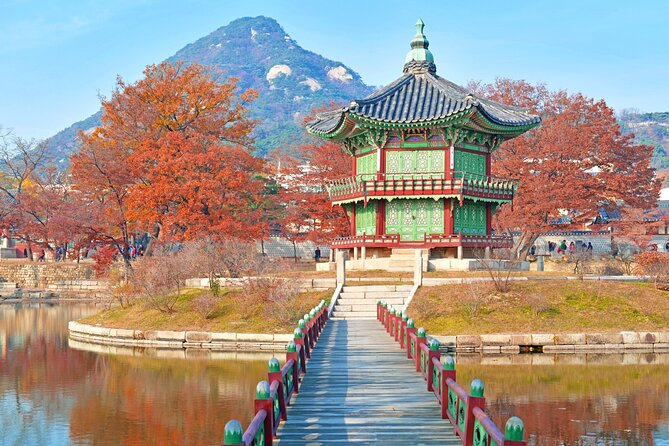
Then comes one of the most rewarding parts of the day: Bukchon Hanok Village. You get about 1 hour here, and the focus is on hanoks—traditional houses made with wood and nature-based materials.
What makes this stop click is the setting. The village is made up of preserved alleys that feel like a time capsule right in the middle of modern Seoul. If you like walking for photos, this is where the day becomes visually fun rather than only educational.
There’s also a specific selling point baked into the tour design: it’s not just one viewpoint. The time allotted lets you move through enough of the lanes to see the variety of traditional house forms and the way the neighborhood layers old and new.
Wear shoes you can walk in comfortably. Even if the tour tries to keep the movement smooth, the streets are still the streets, and you’ll be on your feet.
Samcheong-dong and K-Drama Locations: Seeing Seoul Through Screen Memories
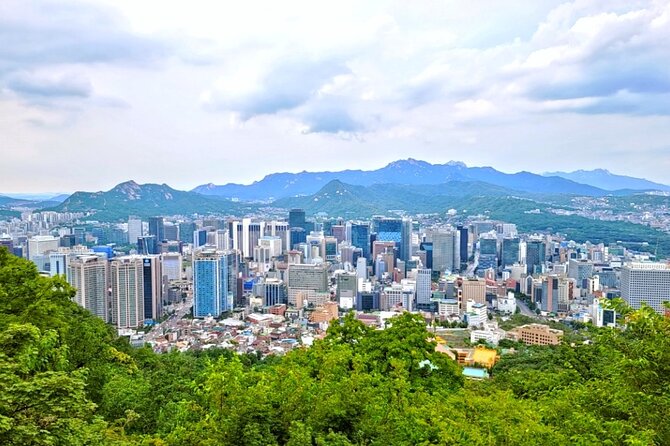
After Bukchon, the itinerary shifts to Samcheong-dong for about 1 hour. This is where you get the film-location angle that many visitors love. The neighborhood is known for K-drama and movie filming spots, and Bukchon and Samcheong-dong are often linked to that world-famous scene.
You’ll see why it’s popular if you recognize even one title. The tour information specifically mentions shows like Goblin, The Liar and His Lover, and While You Were Sleeping. Even if you haven’t watched them, the neighborhood vibe is still appealing: traditional streets paired with modern Seoul life.
This stop is a good time to slow down. You can look for the kinds of street corners that look like they could belong in a scene, and you’ll have time to frame photos without rushing.
Downtown Seoul Icons: Blue House, Jogyesa, Gwanghwamun Plaza, and Cheonggyecheon
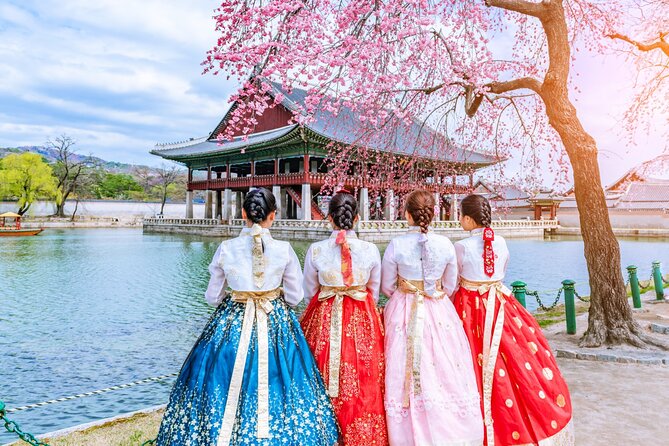
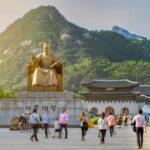
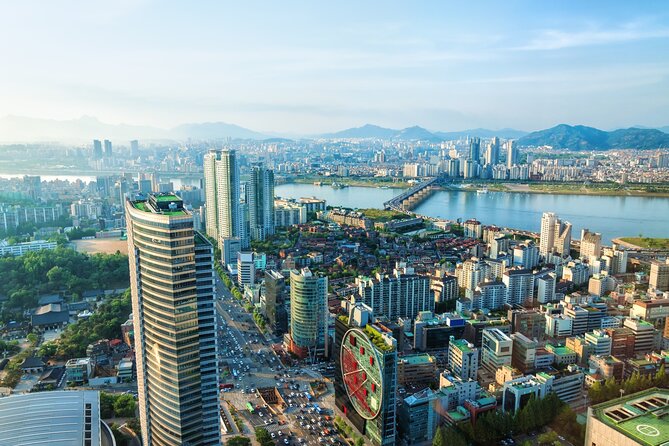
From here, the day transitions into downtown highlights as part of the broader route. The itinerary includes the Blue House area (Cheongwadae), the Jogyesa Temple, Gwanghwamun Plaza (with the statue of King Sejong and Admiral Yi Sun-sin), and Cheonggyecheon Stream.
Here’s why this cluster works. You get a quick sweep of Seoul’s power-and-culture story:
- Blue House area = political landmark in central Seoul
- Jogyesa Temple = major Buddhist temple in the heart of the city
- Gwanghwamun Plaza = a focal public space tied to Korean history
- Cheonggyecheon Stream = an urban renewal waterway that locals use for walking and hanging out
Cheonggyecheon is described as an 11 km (about 6.8 miles) man-made stream. In a tour setting, you won’t walk the entire thing, but you’ll get the idea of how Seoul uses a reclaimed public space as a daily-life corridor.
Because this part of the day doesn’t give exact times for each landmark, think of it as guided visibility and photo viewing. It’s still useful—especially if you’re trying to connect the geography of Seoul on your first trip.
N Seoul Tower: Optional Top Ticket, Maximum City-Scale View
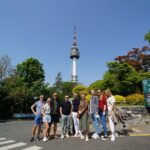
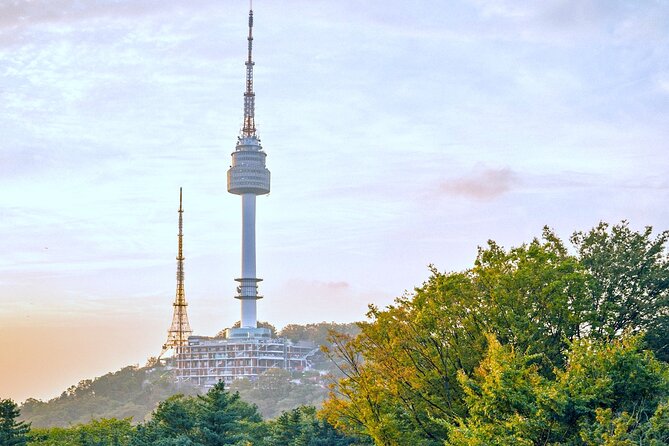
Finally, you reach N Seoul Tower (also called Namsan Tower). You’ll spend about 1 hour in this area, and the core choice is whether to buy the optional observatory ticket.
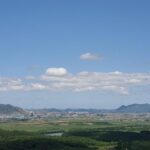
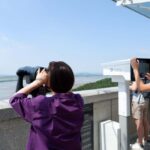
The entrance area is free, and you can still enjoy the experience without paying for the very top. The tour highlights love locks featured in Korean dramas and the big city views visible from the area.
If you want the full height experience, you’ll need your own ticket for the top observatory. The tower is listed as 237 meters high, built on the top of Namsan Mountain, and it sits 480 meters above sea level. It’s visible from many parts of Seoul, so it works as a literal landmark that helps you orient yourself.
Practical tip: if you’re sensitive to crowded view areas, go in with patience. City panoramas are popular in Seoul, and the reward is the same photo from tons of angles.
Myeongdong Shopping Street: Fast Souvenirs and Quick Bites
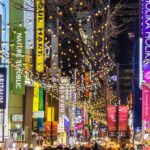
Your last stop is Myeongdong Shopping Street, for about 20 minutes. This is Seoul’s best-known shopping zone, with a huge mix of department stores, malls, and cosmetics focused shops. You can also find plenty of food options around there.
This is not a sit-down dinner stop. It’s a short window to buy a few key souvenirs or grab snacks before you’re done for the day.
One practical note: if you want to stay longer in Myeongdong, the tour ends there, and your return becomes your own responsibility. If you like wandering without deadlines, you’ll probably want to plan how you’ll get back before you extend your stop.
What Kind of Traveler This Fits Best
This tour is a strong match if you:
- Want a first-day orientation to Seoul’s biggest sights without navigation stress
- Like having structure, especially around palace time
- Want hanbok photos with a professional photographer included
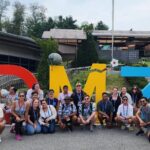
- Prefer an English-speaking guide and a small group setting (maximum 18 travelers)
It’s also a good fit for couples or small groups who want photos and pacing handled for them. In the past, guests have praised guides who keep things fun and easy, and there’s a specific mention of a guide named Jessie who provided lots of photos during hanbok time and spoke fluent English.
If you’re the type who already knows Seoul well and wants deep, slow exploration of one neighborhood, you might find the schedule a bit too packed. But for a first visit, packed is the point.
Should You Book This Seoul One-Day Tour?
If your goal is to see the “main story” of Seoul in one day, I’d say this is worth booking. The reason is simple: the tour includes the expensive-to-organize moments (hanbok rental, wearing, and the photoshoot) and it wraps them into a day that’s heavy on major sights.
I’d book it if you can handle a full day (about 9 to 10 hours) and you’re okay with an add-on at N Seoul Tower if you want the summit view. If you hate shopping interruptions, note that Myeongdong is short and optional in the sense that you can choose to extend your time on your own.
FAQ
How long is the Seoul one-day sightseeing tour?
The tour runs about 9 to 10 hours.
What’s included in the price besides the tour itself?
Lunch (a Korean dish), bottled water, snacks, hotel pickup within Seoul city only, an English-speaking guide, gratuities, and fusion hanbok rental and wearing are included. Hanbok photoshoot is also part of the experience.
Is the N Seoul Tower ticket included?
No. The entrance area is free, but the observatory ticket to go up to the top is not included. The optional adult price is about $14 and the child price about $9.
Does the itinerary include Gyeongbokgung Palace every day?
Gyeongbokgung Palace is closed every Tuesday, and the itinerary replaces it with Changdeokgung Palace.
How big is the group and what language is the guide?
The maximum group size is 18 travelers, and the guide is English-speaking.
Where does the tour start, and when?
It starts at DongHwa Dutyfree, 149 Sejong-daero, Jongno District, Seoul, South Korea, at 9:00 am. The tour ends back at the meeting point.
Is free cancellation available?
Yes. You can cancel up to 24 hours in advance for a full refund. If you cancel less than 24 hours before the start time, it won’t be refunded.