REVIEW · DMZ TOURS
Seoul: DMZ & Live Talk with North Korean Defector
Book on GetYourGuide →Operated by Seoul City Tour · Bookable on GetYourGuide
A line of barbed wire can feel unreal until you’re standing near it. This DMZ day pairs the major border landmarks with a live meeting and Q&A that turns geopolitics into real human stakes, plus timed stops at places like Dora Observatory and the Third Infiltration Tunnel. The big drawback: there’s no lunch provided, so you’ll need to budget time and money for your own food.
What I like most is how the day is structured to keep it moving without rushing the important moments. You’re in air-conditioned transport for the long hops, you get a live English guide, and you spend focused time at each site instead of just driving past signs.
One more practical note: you’ll see parts of the area where photo rules can be strict, so don’t count on taking lots of pictures. That’s not a dealbreaker, but it helps to be mentally ready.
In This Review
- Key things to know before you go
- DMZ in a Single Day: How This 7-Hour Route From Seoul Feels
- Meeting a North Korean Defector: What Changes When You Hear It Live
- Imjingak, Mangbaedan, and Freedom Bridge: The Border World Before the Tunnel
- North Korea Experience Hall: Short Film, Real Questions, Controlled Learning
- Into the Third Infiltration Tunnel: The Moment the Day Gets Real
- Dora Observatory and Unification Village: Viewing the DPRK Without Pretending It’s Simple
- Price and Value: What $50 Gets You (and What It Doesn’t)
- Timing Tips That Make the Day Easier
- What Kind of Traveler Will Love This Most
- Should You Book This DMZ + Defector Tour?
- FAQ
- How long is the DMZ tour?
- How much does the tour cost?
- What is included in the price?
- Is food included?
- Do I need a passport?
- Is the tour guide available in English?
- Can I add the suspension bridge?
- Where do you start and where do you end?
- Are cancellation refunds available?
- Is photography allowed at every stop?
Key things to know before you go
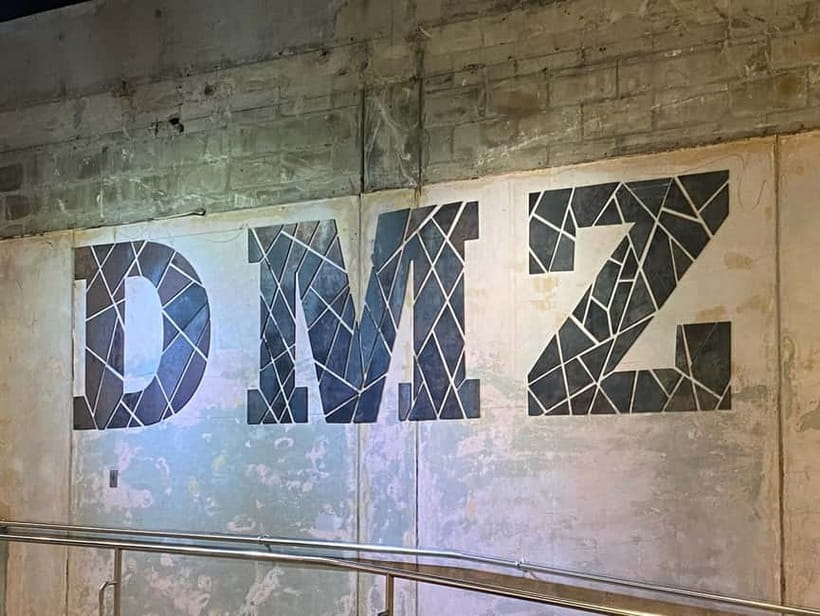
- North Korean defector meeting and Q&A: The emotional center of the day, not just a photo op.
- North Korea Experience Hall film + interview setup: A short film and guided context before questions.
- Third Infiltration Tunnel entry: A rare chance to go underground where North Korea dug into the South.
- Dora Observatory viewpoint: Designed to help you “read” what you’re looking at across the border.
- Tight time windows: The day is built around multiple guided stops, including Unification Village.
- Passport required: Bring your passport (military ID or ARC is fine).
DMZ in a Single Day: How This 7-Hour Route From Seoul Feels
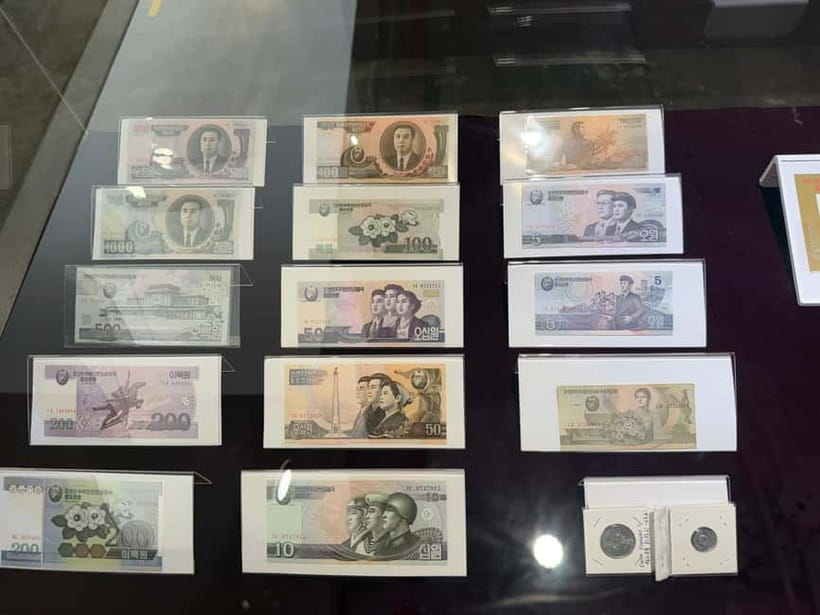
This is a full-day hit of the border area, clocking in at about 7 hours total. You typically spend close to an hour each way on bus/coach from Seoul, then the rest is guided time at the DMZ-side stops.
It starts with one of several Seoul meeting points, depending on what you book: Hotel Skypark Myeongdong 3, Hongik Univ. Station Exit 3, or THE PLAZA Seoul, Autograph Collection. The finish is Seoul City Hall, so you’re not ending in some remote parking lot with no plan.
The best part of this format is that it’s not just “look and leave.” You get time blocks that match what you’re seeing: border-related parks first, then the structured North Korea learning stop, then the tunnel, then the viewpoints.
You can also read our reviews of more tours and experiences in Seoul.


Meeting a North Korean Defector: What Changes When You Hear It Live
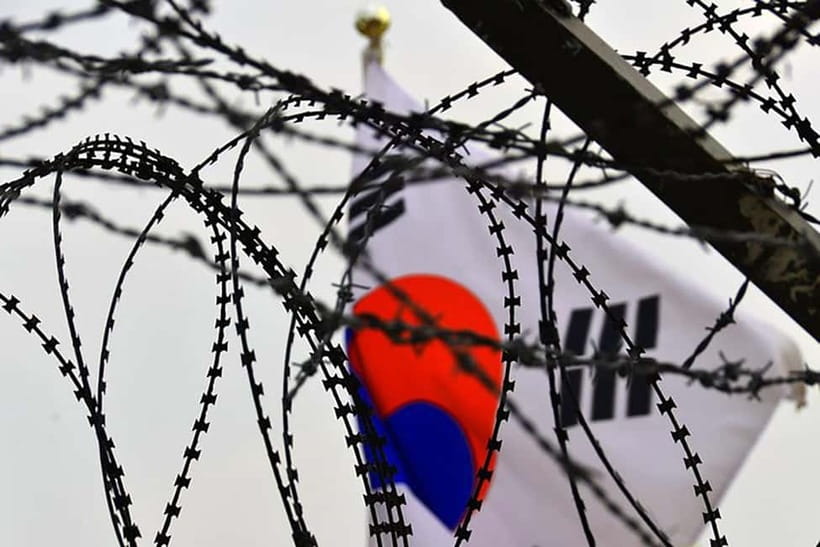
The headliner here is the defector meet-up. You’ll be brought to a setup that includes a short film (about 10 minutes) and an interview-style format, then the day centers on a live Q&A.
What makes this matter is simple: the DMZ is easy to treat like a dramatic tourist stage. The live conversation makes it something else. Suddenly the walls, the geography, and the propaganda make sense as constraints on daily life, not just political slogans.
In practice, it also changes your mindset for the rest of the day. After you hear someone’s story and ask your questions, Dora Observatory and the tunnel stops land with more weight. If you’re the type who likes to ask practical questions, bring a small list. The guides are there to keep things moving, but your best answers will come from what you actually want to understand.
A quick expectation check: this kind of Q&A can’t cover everything. You’re going to have a mix of personal details and broader themes, and the tone can swing emotional fast. If you want a gentle, purely educational vibe, this part may feel intense.
Imjingak, Mangbaedan, and Freedom Bridge: The Border World Before the Tunnel
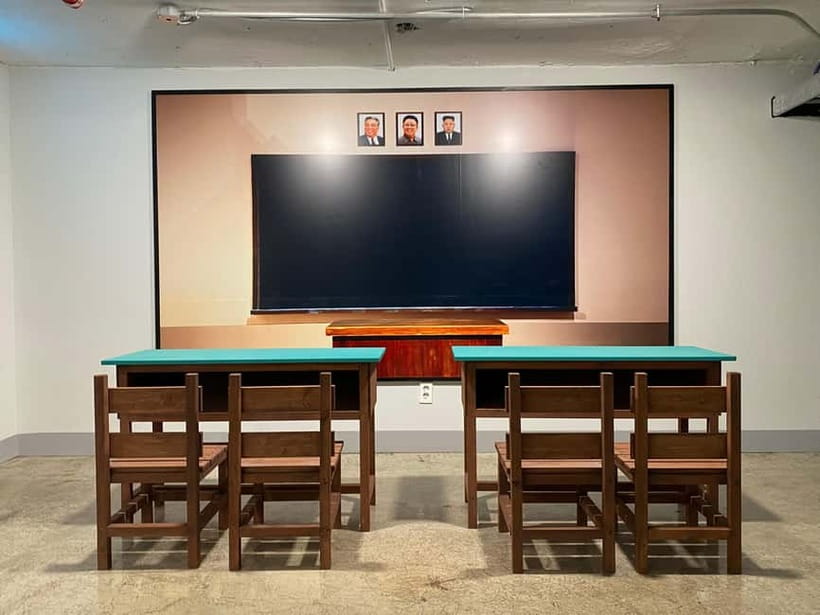
Before the underground part, you’ll walk through several border-area stops that help you build a mental map. The day typically starts with Imjingak Peace Park, then moves through related viewpoints and memorial-style areas such as Mangbaedan and the Freedom Bridge.
These are the places where the DMZ shifts from “a line on a map” into a physical reality you can stand next to. You’ll be shown what these sites represent and how they fit into the Korean conflict story.
What I like about doing these first is pacing. Your brain gets time to adjust. You also get context that makes the later tunnel stop more than a gimmick. Without this lead-in, Third Tunnel entry can feel like a technical “tour moment.” With it, the tunnel becomes a symbol of how seriously both sides have treated infiltration, fear, and control.
One consideration: because the day is scheduled tightly, you’ll want to be ready to move. Wear shoes you can stand in. This is not the kind of outing where you can drift off for a long solo wander.
North Korea Experience Hall: Short Film, Real Questions, Controlled Learning
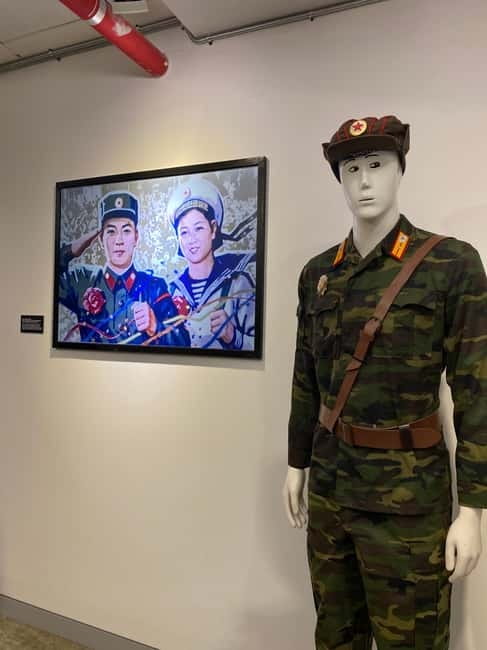
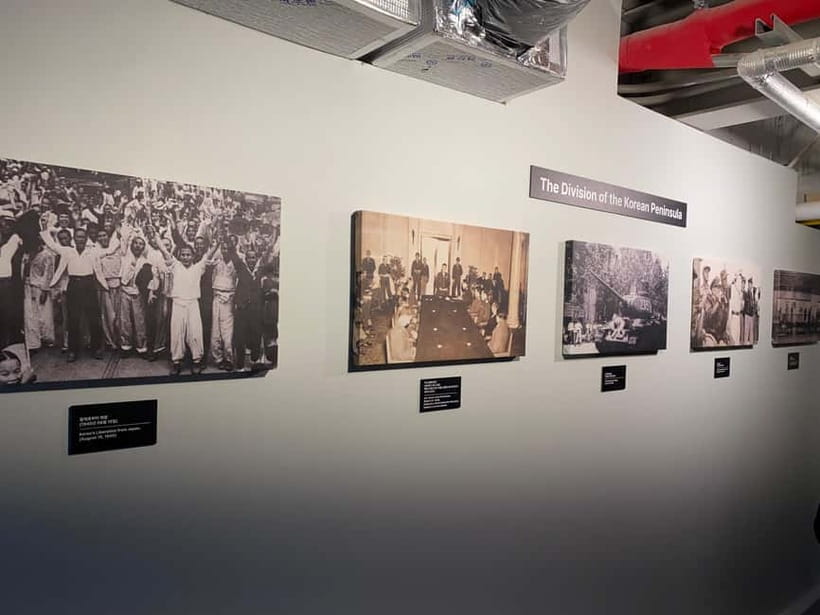
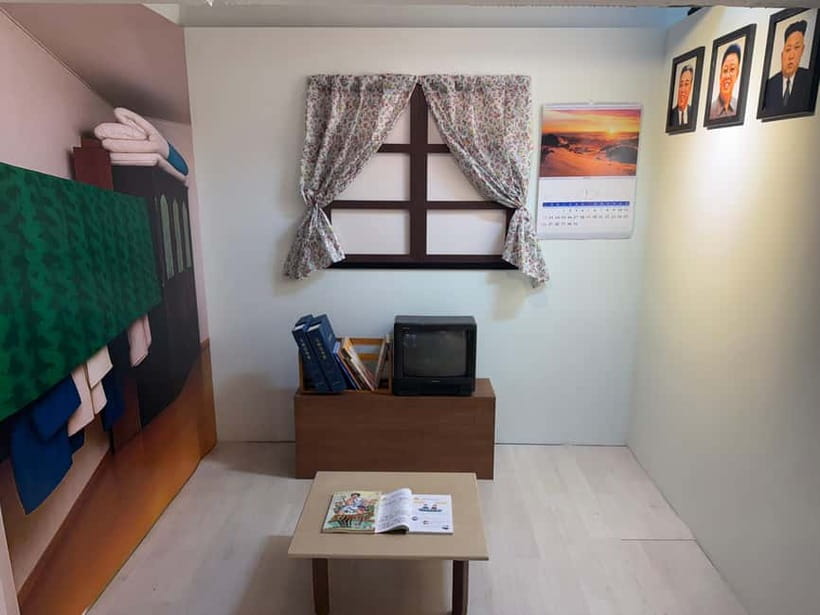
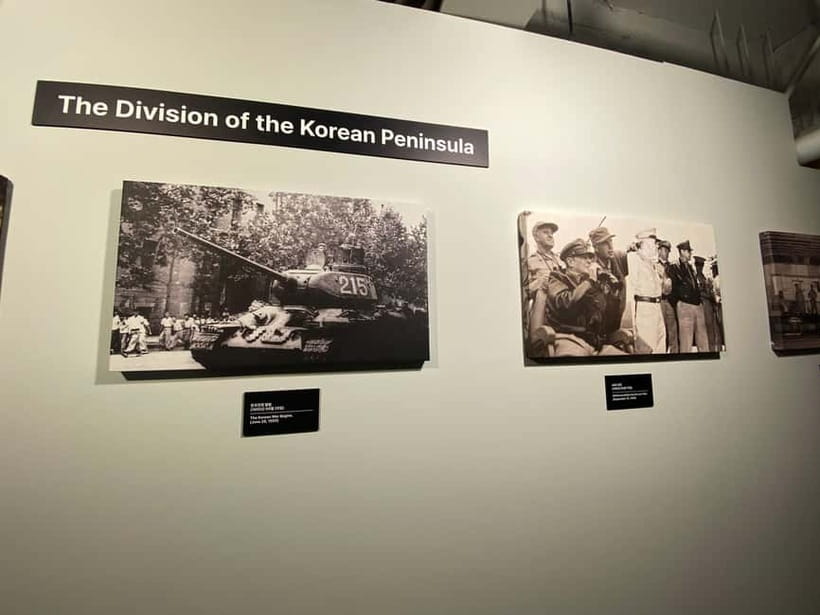
The North Korea Experience Hall is where the tour shifts from sightseeing to structured learning. You’ll watch a short film and then get the interview context that feeds into the defector Q&A.
This is a good stop for two reasons. First, it gives you language for what you’re hearing later. Second, it prepares you for what the defector meeting is actually like: more question-and-answer and guided framing than a freewheeling conversation.
One practical thing to plan for: you may find photo rules are strict in parts of the day. That’s normal for sensitive areas. I’d keep your phone available, but don’t build your plan around getting lots of photos.
Also, since the learning time is guided, come ready to listen. If you’re the type who only likes passive sightseeing, you might find this part more mentally demanding than the viewpoints.
Into the Third Infiltration Tunnel: The Moment the Day Gets Real
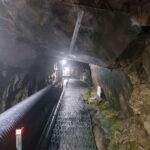
The Third Infiltration Tunnel of Aggression is the stop that turns theory into something you feel. You’ll enter the tunnel that North Korea dug into the South, and the guided walk is where most people finally understand the literal scale of the border tension.
Why it’s so effective: it’s not just a model. It’s physical space. The confined environment forces your attention onto your body—how you move, how sound carries, how the tunnel changes your perspective.
It also gives you a sense of why the DMZ is treated as a security boundary rather than a pretty line. You’re standing in a piece of infrastructure built for something specific, and that clarity sticks.
A small tip: if you’re cautious about tight spaces, ask your guide about what to expect before you enter. You’re not trying to be brave for the sake of it; you’re trying to understand what you’re looking at.




Dora Observatory and Unification Village: Viewing the DPRK Without Pretending It’s Simple
After the tunnel, the tour aims you at two final “eyes-on” stops: Dora Observatory and Unification Village.
At Dora Observatory, you’ll get a guided viewpoint session (about 50 minutes). The point isn’t only to look; it’s to learn how to interpret what you’re seeing across the border. One practical reality from the day is that not everyone sees the same level of detail from the same seat or angle. If you’re short or hard of hearing in groups, it helps to communicate early. Your guide can adjust with extra explanation when needed.
Then you move to Unification Village, where time is shorter (about 15 minutes). This is where the border story meets the idea of reunification and the limits of hope versus reality.
If you’re going to get the most from these stops, keep your expectations grounded. This isn’t a fantasy “watch North Korea like a movie.” It’s a controlled viewpoint day built around what’s observable and what isn’t.
Price and Value: What $50 Gets You (and What It Doesn’t)
At $50 per person for a 7-hour day, the value comes from three things you usually don’t get in cheaper border tours:
1) guided access to multiple key sites,
2) admission fees for the DMZ, and
3) the defector meet-up and structured learning components.
Included basics: a guide, air-conditioned transportation, admission fees (DMZ), and hotel pickup if you choose a private option. You’ll also get the English live guide during the day.
What’s not included is important: food and drinks and travel insurance, and you won’t get a hotel drop-off at the end. Lunch is essentially on you. In the real world, that means you should plan to eat during free time at the stops and keep a snack in your bag just in case you want something fast.
Also, if the tour is cancelled due to military issues or unexpected issues, the operator says they’ll provide an alternative course related to DMZ, and there’s no refund in that scenario. That’s not something you can control, so it’s smart to travel with some schedule flexibility.
Timing Tips That Make the Day Easier
This tour runs on set timing, and some add-ons are sensitive to the schedule. The suspension bridge is optional, but the operator notes that only the earlier time tour allows it. If that bridge matters to you, make sure your booking time aligns with that option.
Because the day moves quickly between stops, pack like you’re going on a long sightseeing walk:
- passport ready for check-in,
- water or a plan to buy it,
- comfortable shoes,
- and a power bank for navigation and reminders.
Speaking of check-in: you must bring your passport. Military ID or an ARC works too, but the instruction is clear that document checks are mandatory.
If you think you might need extra time for questions, you’ll be happiest arriving focused rather than late and frantic.
What Kind of Traveler Will Love This Most
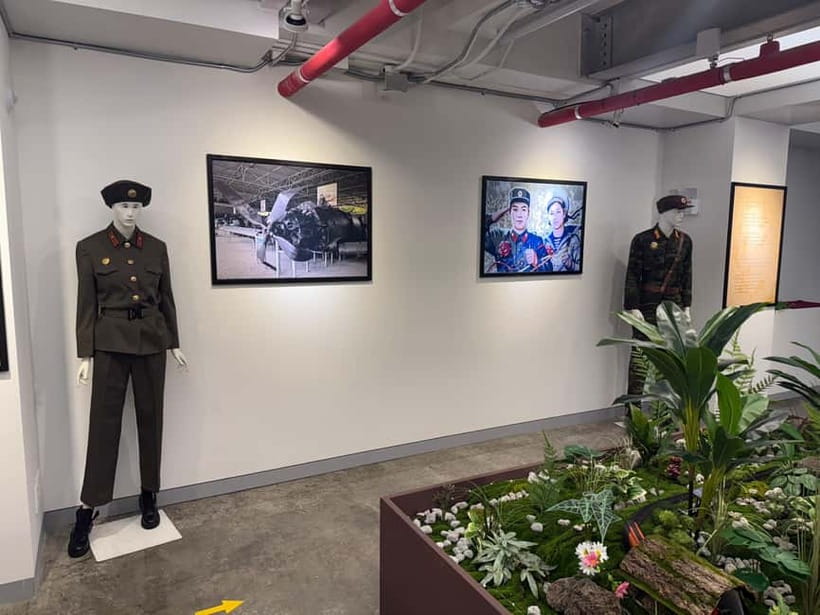
This tour fits best if you’re curious about modern Korean reality and you want more than a surface-level border photo. If you care about why the DMZ exists, how it affects people, and what people risk to leave, the defector meeting is the center of gravity.
You’ll also like it if you appreciate a strong guide presence. Many guides keep the day organized and keep questions flowing in a way that doesn’t let the group stall out.
One group that may feel mismatched: travelers who want an upbeat day with light facts only. This day can turn heavy fast, especially during the live Q&A.
And if you hate structured tours where you’re mostly following the schedule, you might find it tiring. The payoff is big, but it’s still a packed, guided format.
Should You Book This DMZ + Defector Tour?
Book it if you want the closest thing to a “real conversation” you can have about the Korean divide while still seeing the major border landmarks in one day. The combination of North Korea Experience Hall context, a walk through the Third Infiltration Tunnel, and the live defector Q&A is what makes this more than a standard DMZ route.
Skip it or rethink the timing if you’re strongly food-dependent (since lunch isn’t provided) or if you need frequent photo freedom. Also, if emotional intensity during the Q&A would genuinely stress you out, consider whether this format matches your travel style.
If you do book, go in with two goals: bring questions that start with what you truly want to understand, and keep your schedule practical for a long day. You’ll leave with a clearer mental picture of the DMZ as a lived boundary, not just a geopolitical term.
FAQ
How long is the DMZ tour?
The duration is about 7 hours.
How much does the tour cost?
The price is listed as $50 per person.
What is included in the price?
It includes a guide, air-conditioned transportation, admission fees (DMZ), and hotel pickup if you select the private option.
Is food included?
No. Food and drinks are not included, so you’ll need to bring your own or buy food during free time at stops.
Do I need a passport?
Yes. All guests must bring a passport. A military ID or ARC is fine.
Is the tour guide available in English?
Yes. The live tour guide is English.
Can I add the suspension bridge?
The suspension bridge is optional, but only the earlier time tour allows it.
Where do you start and where do you end?
The meeting point can vary by option booked. The tour finishes at Seoul City Hall.
Are cancellation refunds available?
There is free cancellation up to 24 hours in advance for a full refund. If the tour is cancelled due to military issues or unexpected issues, the operator provides an alternative DMZ-related course and states there is no refund.
Is photography allowed at every stop?
You may find that photography is restricted in many places. Follow your guide’s instructions on-site.