REVIEW · SUWON HWASEONG FORTRESS TOURS
Hwadam Botanic Garden and Namhansanseong and Folk Village Trip
Book on Viator →Operated by Lecirt · Bookable on Viator
Morning starts with a quiet plan. This trip strings together Hwadam Botanic Garden, Namhansanseong Fortress, and the Korean Folk Village into one long day that feels like nature plus history plus culture—without you having to coordinate buses or tickets.
I especially like the slow, restorative pace at Hwadam Botanic Garden (and yes, the name matters), and I like how Namhansanseong lands as a real UNESCO stop instead of a quick photo moment. The only real thing to watch is timing: it’s roughly a 10-hour day and lunch isn’t included, so you’ll want a simple strategy for when and where you eat.
The day is guided—one big reason people rave about this route is the human touch. In past departures, guides like Yoon and Joon have been singled out for making the stops make sense, and Mac also gets praised for helping visitors get more out of the day.
In This Review
- Key highlights you’ll actually feel during the day
- How this 10-hour Seoul tour is really paced
- Pickup and timing: what the day feels like from the first bus ride
- Hwadam Botanic Garden: why this peaceful-conversation name fits
- Namhansanseong Fortress Temporary Palace: UNESCO context in plain terms
- Korean Folk Village: traditional houses, crafts, and performances
- Price and logistics: whether $87.60 is a good deal
- Guides make the day click: Yoon, Joon, and Mac
- What to bring for a smoother experience
- Who should book this tour (and who might skip)
- Should you book Hwadam + Namhansanseong + Folk Village?
- FAQ
- What time does the tour start?
- Where do the pickups happen?
- How long is the trip?
- What are the main stops on the tour?
- Are admission tickets included?
- Is lunch included?
- Do I need a printed ticket?
- How big is the group?
- Is the tour suitable for most travelers?
- Can I cancel for free?
- Is confirmation provided after booking?
Key highlights you’ll actually feel during the day
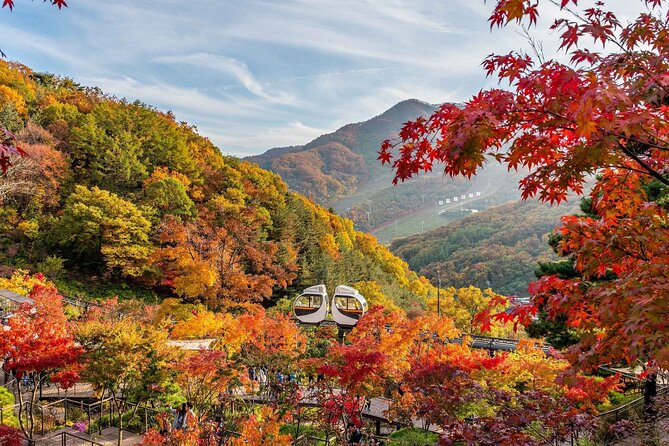
- Hwadam Botanic Garden’s ecosystem mission, including a collection of over 4,000 plant species
- Namhansanseong is UNESCO (registered in 2014) and focuses on historical architecture and Korean heritage
- Korean Folk Village offers live culture elements like crafts and traditional dances, not just buildings
- Professional guide + round-trip transport means you spend time seeing, not planning
- Mobile ticket keeps things simple for a day that starts early
How this 10-hour Seoul tour is really paced
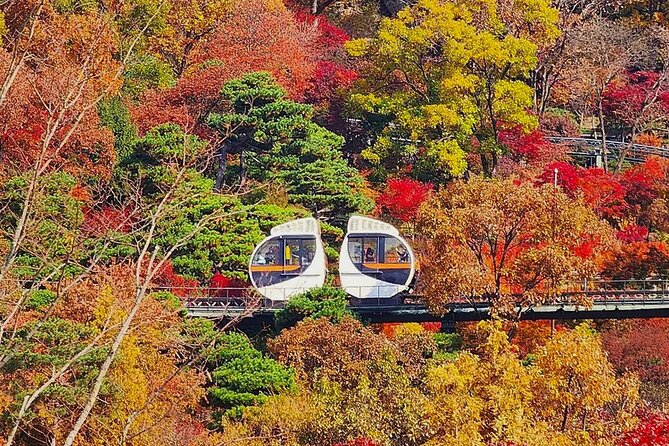
This is a classic “get out of the city” day, but it’s still structured like a calm guided circuit. You’ll start with pick-ups across central Seoul, then head to your first big nature stop. After that, the day tightens into history and then culture—so the overall rhythm makes sense, even if you’re traveling solo or on a short stay.
The order matters. Going to the garden first gives you a breather before you switch gears to fortress walls and viewpoints. Then the Korean Folk Village gives you a hands-on finish, which is a nice way to end the day without feeling rushed at the last stop.
Group size is capped at 42, which usually helps keep the tour moving smoothly and gives the guide enough space to manage questions while you’re on the bus and walking.
You can also read our reviews of more tours and experiences in Seoul.

Pickup and timing: what the day feels like from the first bus ride

The tour starts at 7:40 am, with pick-ups at three convenient subway-heavy areas:
- Hongik University Station Exit 4 (7:00 am)
- Myeongdong Station Exit 3 (7:30 am)
- Dongdaemun History & Culture Park Station Exit 10 (7:40 am)
After the morning drive, you’ll have a ~2-hour chunk at the garden, then roughly 2 hours at Namhansanseong (with the stop specifically at the Temporary Palace area), then 1 hour 30 minutes at the Korean Folk Village. The remainder is your travel time back into Seoul.
A practical tip: if you’re sensitive to early starts, treat breakfast like part of your plan. You’ll be on the move early, and with lunch not included, you’ll want to be ready when meal time hits.
Hwadam Botanic Garden: why this peaceful-conversation name fits
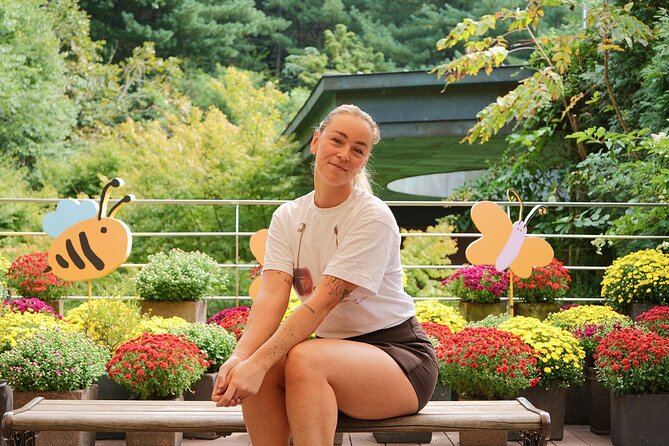
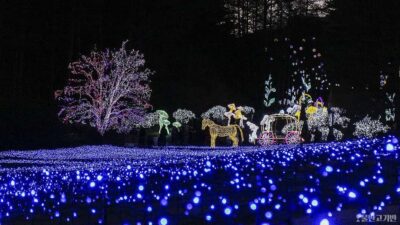
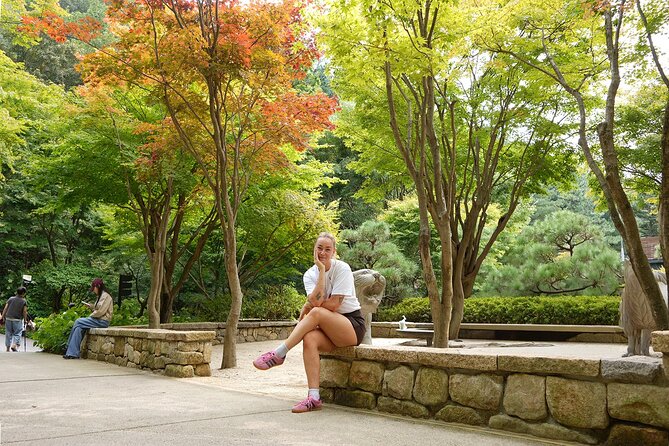
“Hwadam” is tied to the idea of having a peaceful conversation, and the garden’s layout supports that vibe. More than a pretty walking spot, it’s set up to support the ecosystem, using a large plant collection—over 4,000 species—and focusing on restoring the kinds of plants that are harder to find elsewhere (including endangered plants).
What I like about this stop for you as a visitor is how it gives your eyes a reset. You’re not being pushed through a checklist of monuments. Instead, you get time to wander at a comfortable pace, notice the plant variety, and appreciate the restoration goal without it feeling like a lecture.
Expect it to be a nature stop that still feels intentional. That ecosystem mission is the reason it’s worth more than a quick stroll: you’re visiting a place built around preservation and biodiversity, not only scenery.
Possible drawback: since the garden is the first major stop, you’ll want to be mentally ready for a nature pace that’s calmer than the next parts of the day. If you’re only interested in big landmark views, the garden might feel slower—but that’s also what makes the day feel balanced.
Namhansanseong Fortress Temporary Palace: UNESCO context in plain terms
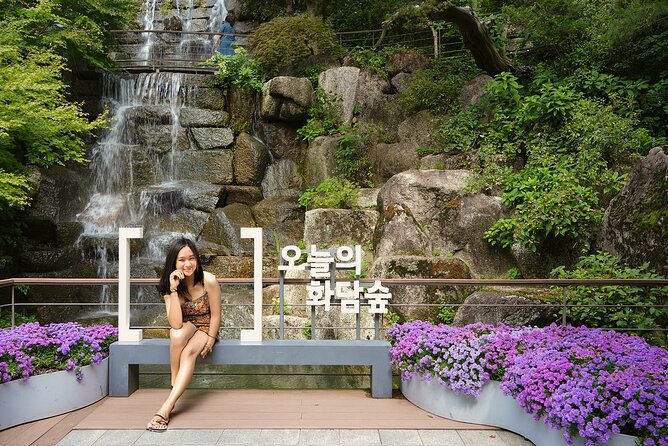
Namhansanseong is a UNESCO World Cultural Heritage site—registered in 2014—and it’s recognized as an important resource for understanding Korean history, culture, and architectural technology. That wording is doing work. It signals that this isn’t just “old walls.” The site is valued for how it was built and what it represented.
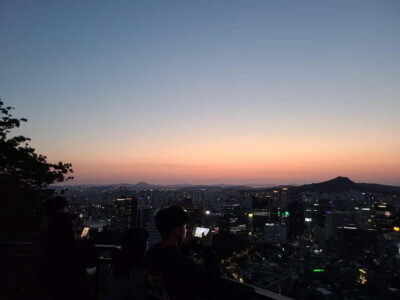
You’ll spend about 2 hours at the Temporary Palace area, which gives you enough time to understand the overall fortress setting without turning the stop into a marathon hike. The tour framing also emphasizes the payoff: you’re there for history, but you’re also going to get great views over the surrounding area.
Here’s why that matters for your enjoyment: fortress sites can feel intimidating if you don’t know what you’re looking at. With a guide, you’re more likely to catch the logic of the architecture—how the fortress system fit the landscape and why these structures mattered.
Practical consideration: if weather is hot, fortress areas can feel more exposed than you expect. Bring a layer you can manage and plan for sun or light rain depending on the season.
Korean Folk Village: traditional houses, crafts, and performances
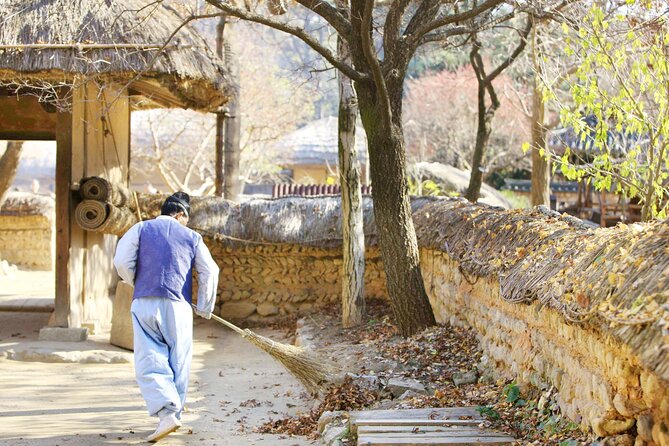
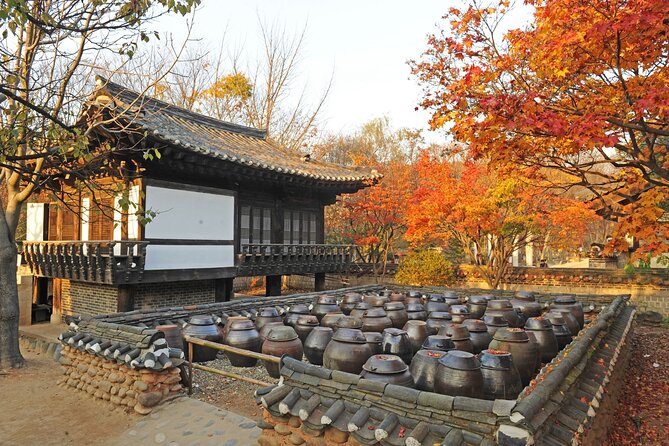
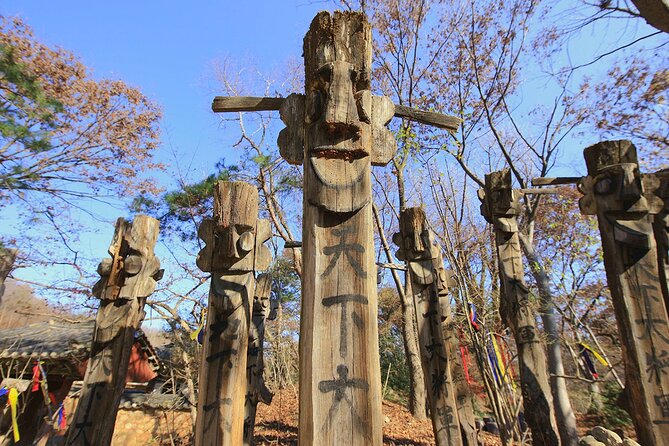
After the fortress, you shift from “built to defend” to “built to live.” The Korean Folk Village is designed for cultural experience—traditional houses, agricultural culture themes, and activities that make folklore feel real rather than distant.
You’ll have about 1 hour 30 minutes, so it won’t be a museum-only visit. The structure is meant to be active: you may see traditional crafts and traditional dance performances, plus you’ll have time to look around at the architecture and village-style layout.
This stop is valuable because it’s not just visual. It’s trying to connect you to everyday cultural rhythms—how homes were set up, how agricultural life shaped routines, and how folk art and performance kept traditions alive.
Possible drawback: with only 90 minutes, you’ll want to pick what you prioritize—performances vs. wandering the house areas vs. craft demonstrations. If you try to do everything, you’ll feel rushed. A guide helps here by pointing you toward the parts that are most worth your time in the session you have.




Price and logistics: whether $87.60 is a good deal
At $87.60 per person, this is priced like a “real day trip” rather than a budget hop. The reason it can still feel fair is what’s included:
- Round-trip transportation
- Admission to the attractions
- Professional tour guide
Lunch isn’t included, which is the one obvious cost you’ll need to plan for. Still, when you add it up, you’re getting multiple major stops inside a single guided package, with transport handling the messy parts of moving between locations.
Also worth noting: tickets are mobile, and the tour is small enough (max 42) that you’re not stuck with huge chaos. That matters when you’re doing timed stops like a garden (2 hours) and a folk village (1.5 hours).
In plain terms: if you want a guided, admissions-included “three-place” day without sorting logistics, the value makes sense.
Guides make the day click: Yoon, Joon, and Mac
This trip’s reputation isn’t just about the places—it’s about how they’re explained. Past departures have highlighted guides Yoon and Joon for making the experience feel organized and meaningful, and Mac for being especially helpful in getting people oriented and supported.
When a guide is strong, you notice it immediately:
- you understand what to look for at Namhansanseong, not just where to walk
- you get context for the folk culture activities so it doesn’t feel like random entertainment
- you move through the day with fewer gaps and less confusion
You don’t need a guide to point at a building. You need one to turn the time you have into understanding—and that’s what these names suggest happened on past days.
What to bring for a smoother experience
Because this is a long day with outdoor walking and fortress-style areas, pack for comfort, not just photos:
- Comfortable shoes for uneven ground and stairs (especially around fortress areas)
- A light layer for sun or changing weather
- Water, since lunch isn’t included
- A phone charged for your mobile ticket
If you’re planning your meal strategy, bring a snack or plan ahead near where you return to Seoul so you’re not scrambling at the end.
Who should book this tour (and who might skip)
You’ll like this most if you want:
- a single-day combo of nature + UNESCO history + cultural village
- a guide to help you understand what you’re seeing
- a structured schedule that saves you the stress of planning
You might think twice if:
- you hate early mornings and you don’t do well on tight time windows
- you only care about one type of attraction (for example, only fortress views or only shopping)
It’s a good fit for first-time visitors to Seoul who want a “real Korea” day without overpacking their itinerary.
Should you book Hwadam + Namhansanseong + Folk Village?
I’d book this if your goal is a well-rounded day that doesn’t require you to do the hard work. The pairing is smart: a restorative garden start, a UNESCO fortress stop that’s guided for meaning, and a folk village finish that’s hands-on enough to feel like culture rather than scenery.
If you decide not to book, it’s usually because you want more free time at one place, or you’re traveling with a very tight schedule and this long day would stress you out. But if you’re okay with a full day and want admissions and transport handled, this tour is exactly the kind of “time well spent” day trip that makes a Seoul trip feel complete.
FAQ
What time does the tour start?
The tour starts at 7:40 am.
Where do the pickups happen?
Pickups are at Hongik University Station Exit 4 (7:00 am), Myeongdong Station Exit 3 (7:30 am), and Dongdaemun History & Culture Park Station Exit 10 (7:40 am).
How long is the trip?
It runs for about 10 hours.
What are the main stops on the tour?
The tour visits Hwadam Botanic Garden, Namhansanseong Fortress (Temporary Palace), and the Korean Folk Village, then returns to Seoul.
Are admission tickets included?
Yes. Admission is included for the attractions, and you also get round-trip transportation.
Is lunch included?
No. Lunch is not included.
Do I need a printed ticket?
No. The tour uses a mobile ticket.
How big is the group?
The maximum group size is 42 travelers.
Is the tour suitable for most travelers?
The tour says that most travelers can participate.
Can I cancel for free?
Yes. You can cancel for a full refund if you cancel at least 24 hours before the experience starts.
Is confirmation provided after booking?
Yes. You’ll receive confirmation at the time of booking.