REVIEW · FOOD
Gwangjang market Netflix Food Walking Tour with Insadong
Book on Viator →Operated by S.A. Tour · Bookable on Viator
Small alleys, big flavor. This tour strings together Insa-dong Culture Avenue and Gwangjang Market with a guide who makes the neighborhood stories click fast. I especially liked how the tour leans practical, like what you’re looking at and why it matters.
The other big win is the food. You get multiple street-food tastings plus Korean rice wine, and the pacing leaves room to browse shops and ask questions. One thing to think about: it’s a walking tour and the operator notes it needs good weather, so rain can make the day messier than you’d hope.
In This Review
- Why Insa-dong and Gwangjang Market work so well together
- The pace, group size, and why the guide matters
- Insa-dong Culture Avenue: crafts, tea houses, and street-level Korea
- What to expect in your time here
- A small consideration
- Ikseon-dong Alley stories: hanok lanes with modern café energy
- Why this part adds value
- What to bring
- Gwangjang Market: food, textiles, and the everyday Seoul story
- The food focus is real
- What’s included in the tasting lineup
- Handling the snacks and getting the most out of the stop
- Price and value: is $48.60 a good deal?
- The main trade-off for your wallet
- Weather, comfort, and the one thing that can change everything
- Who should book this, and who might skip it
- Should you book the Netflix Food Walking Tour with Insadong?
- FAQ
- How long is the tour?
- Where does the tour start and end?
- What food is included?
- Is this tour in English?
- What happens if the weather is bad?
- Can I cancel for free?
Why Insa-dong and Gwangjang Market work so well together
Seoul’s neighborhoods can feel like separate worlds when you explore on your own. This route connects two places that share the same DNA but show it in different ways: Insa-dong for crafts and traditional culture, then Gwangjang Market for the daily-life side of Korea. That contrast is the whole point, and it keeps the walk from turning into a checklist.
I also like that the tour runs in the afternoon, starting at Anguk Station and ending at Gwangjang Market. That timing gives you a calmer look at storefronts and tea-house vibes before the market gets crowded in the evening. It’s an easy way to get off the usual tourist track without needing a private guide.
The pace, group size, and why the guide matters
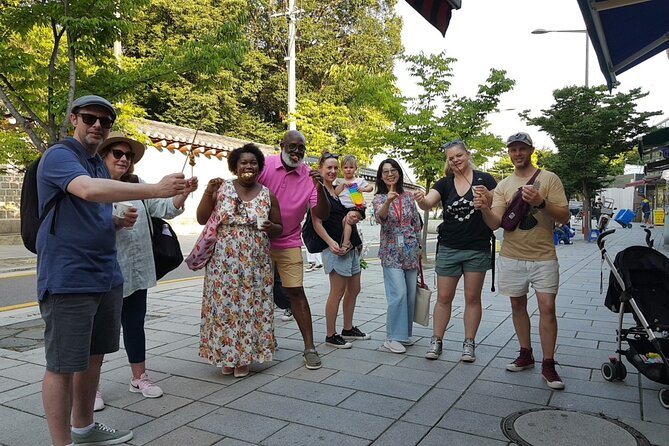
This experience is set up for small groups, up to 10 people, and it runs about 3 hours. That matters more than it sounds. When you’re moving through narrow lanes and market stalls, you want a leader who can keep the group together without rushing you.
The standout here, based on past guests, is the guide style. Alan Han gets praise for being personable, taking his time, and answering questions. When the weather is hot, or when you run into something confusing in a shop, that kind of patience changes the whole feel of the tour. You’re not just following along; you’re encouraged to ask.
One more practical note: you use a mobile ticket, so you can keep things simple on your phone instead of juggling paper.
You can also read our reviews of more walking tours in Seoul


Insa-dong Culture Avenue: crafts, tea houses, and street-level Korea
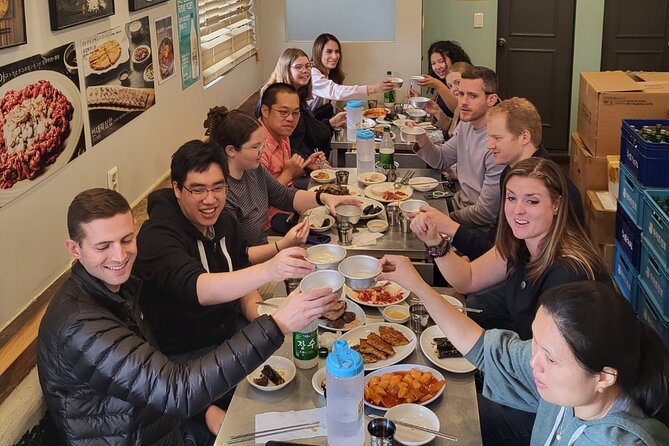
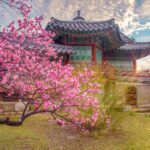
Insa-dong is the kind of neighborhood where you can tell people are browsing with intention. You’ll see traditional Korean architecture alongside art galleries, handicraft shops, tea houses, and restaurants built around heritage foods. Even when you don’t buy anything, the street layout and shop variety help you understand why locals treat this area like a cultural stop.
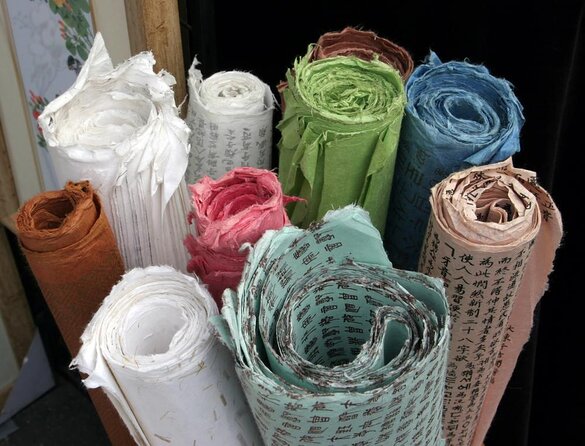
What I like about Insa-dong on a guided walk is that it’s not just pretty storefronts. The tour focuses on what Insa-dong represents as a center for Korean culture, so the craft shops aren’t random. You’ll also get pointed toward items that reflect Korean artistry, like pottery and calligraphy-related goods such as brushes and traditional paper.
What to expect in your time here
Plan for around 1 hour 30 minutes in this first neighborhood. You’ll have time to look at art spaces and browse handmade goods rather than doing a quick photo run. If you like shopping, this is where you’ll spot the most “take-home” items. If you’re not shopping, it’s still worth it for the atmosphere and explanations.
A small consideration
Insa-dong can be a bit of a sensory mix: art, antiques, packaged souvenirs, and tea-house menus all next to each other. If you hate crowds or if you want a strictly food-only experience, this portion may feel more like culture browsing than snack sampling.
Ikseon-dong Alley stories: hanok lanes with modern café energy
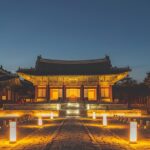
Between the bigger stops, the tour includes a stop in the area known for Ikseon-dong Alley. This is where the contrast gets fun: traditional hanok houses and older Seoul street patterns share the frame with trendy cafés. The guide will give you stories about how the neighborhood evolved into a current-day hangout, so you can see the change instead of just noticing it.
This is also the kind of area where a map can be more confusing than helpful. Narrow lanes can make you feel turned around quickly, especially with a group. Going with a guide helps you move through it smoothly and understand what you’re walking past.
You can also read our reviews of more food & drink experiences in Seoul
Why this part adds value
If Insa-dong is your craft lesson, Ikseon-dong is your context lesson. You start to see how older neighborhoods survive: not by freezing them in time, but by adapting them for today. It’s a useful perspective for Seoul overall, especially if you’ve only done big-picture sightseeing.
What to bring
Wear shoes you can trust. Even on a dry day, alley walking means uneven steps and short turns. If rain shows up, you’ll be glad you’re not wearing anything precious.
Gwangjang Market: food, textiles, and the everyday Seoul story
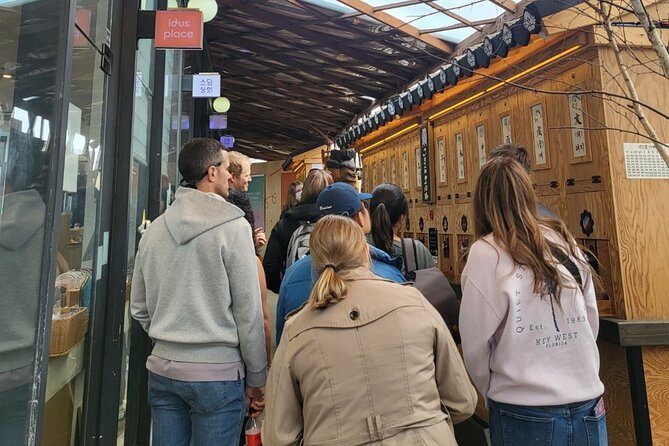
Now you’re at the big one: Gwangjang Market, one of the oldest and largest markets in the city, operating since 1905. The tour brings you through the market atmosphere while focusing on two things that define it: food and textiles.
On your own, markets can overwhelm you. Lights, smells, dozens of stalls, and menus written in ways that don’t always translate well. With a guide, you get direction on what to try and how to make sense of what you’re seeing. The tour also connects the market to daily-life history, including how it reflects local life in the 1990s, which helps you understand the place beyond the food.
The food focus is real
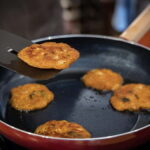
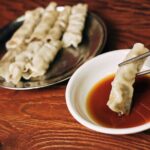
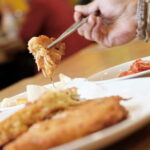
You’ll spend about 1 hour 30 minutes here, and that time is meant for tasting and eating, not just walking past stalls. The included items are not random. They include Korean classics like fish-cake and mung-bean pancake.
What’s included in the tasting lineup
Based on what’s included, you can expect:
- 3–5 kinds of street food tasting
- Fish-cake
- Mung-bean pancake
- Honey dessert
- Korean rice wine
That combination covers salty, crunchy, sweet, and warming-drink flavors. You’re not eating just one item over and over; you’re getting a mini sampler of what people actually go for.
Handling the snacks and getting the most out of the stop
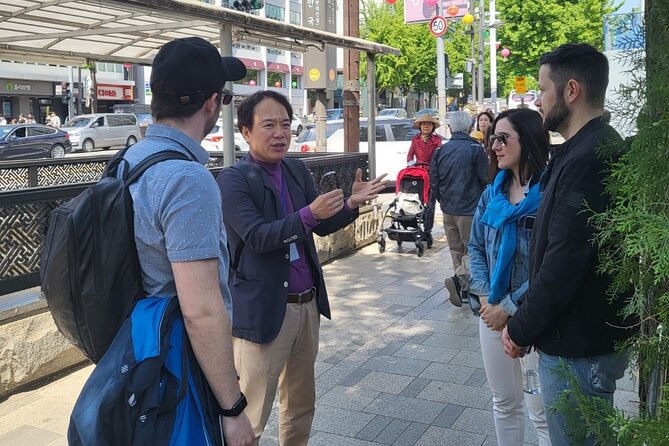
This is where I think the tour design does you a favor: it’s structured so you won’t just end up with one full meal and miss the variety. Getting multiple tastings means you can try a range of textures and flavors in a single visit.
Here’s how I’d approach it if you want to enjoy everything without feeling stuffed:
- Start slow with the savory items, then save the sweet course for when you’re ready.
- Pace yourself with water between tastings if you tend to get thirsty quickly in heat.
- If you’re offered rice wine, treat it like part of the tasting menu, not a separate “night out.” It’s included, so take it when it’s served rather than waiting until you’re already full.
One practical angle: because it’s a walking tour, you’ll likely want to keep any extra purchases minimal until you reach the end. You’ll be moving through market lanes, and carrying bags can turn into a hassle.
Price and value: is $48.60 a good deal?
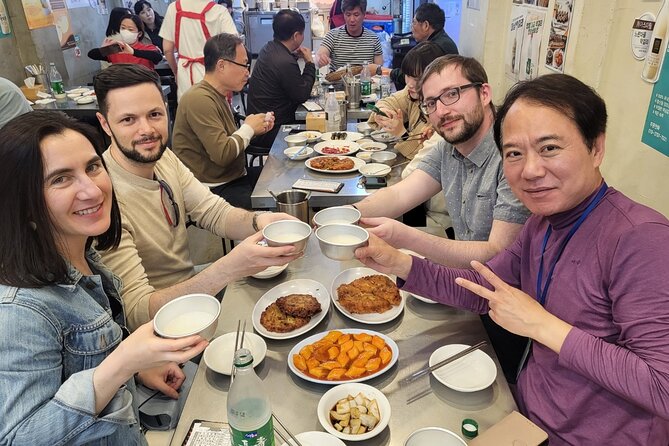
At $48.60 per person for about 3 hours, you’re paying for a mix of guide time, planned tastings, and guided neighborhood context. That can be good value in Seoul, where walking tours can sometimes feel like you paid for company and got a single snack.
What pushes this one toward solid value:
- A professional English-speaking guide
- Multiple tastings (3–5) plus specific items like fish-cake and mung-bean pancake
- Honey dessert and Korean rice wine included
- A small maximum group size (10), which usually means you can ask questions without feeling like you’re being herded
You’re also paying for the “why” behind what you see: Insa-dong as a cultural center, Ikseon-dong’s historical storyline, and Gwangjang Market’s timeline including the 1990s local-life angle. That kind of interpretation is hard to recreate on your own unless you already know the neighborhoods well.
The main trade-off for your wallet
You’re not buying extra meals à la carte here. If you go to markets expecting to graze for hours and do heavy shopping, this tour may feel focused rather than expansive. But if your goal is to sample key foods and learn the neighborhood logic, the price makes sense.
Weather, comfort, and the one thing that can change everything
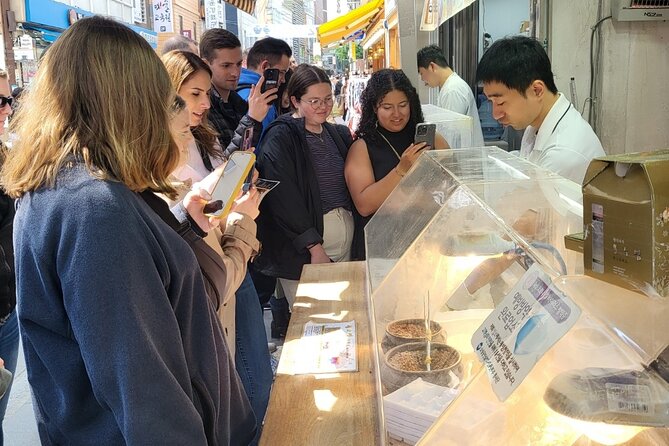
The operator notes good weather is required. That matters because you’re walking through streets and market aisles, not sitting inside a museum.
One guest described an unexpected rainstorm that made things soggy, but the tour still worked and the experience didn’t collapse. Translation: bring a light rain layer or umbrella and expect your shoes and clothes to get affected if weather turns.
Other comfort tips based on the general tone of the experience:
- Dress for walking. Even with a guide, you’ll cover a fair bit of pavement.
- Bring a small towel or tissues if you tend to get sticky from street food.
- If you’re sensitive to heat, plan your day so you’re not arriving already overheated.
Who should book this, and who might skip it
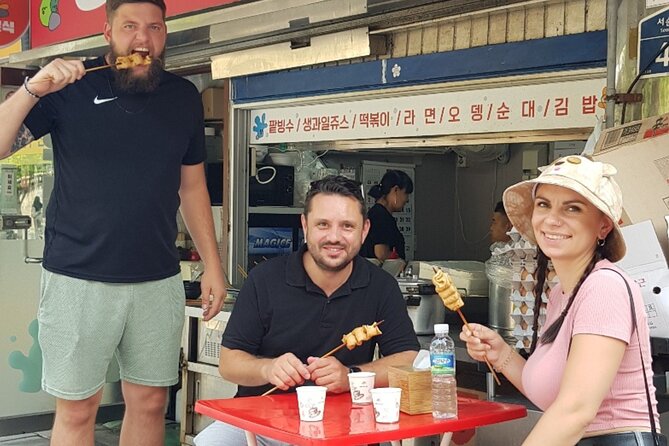
This tour fits best if you want:
- A structured, low-stress way to connect Insa-dong with Gwangjang Market
- Street-food tasting that actually includes multiple items, not just one bite
- A guide who takes questions seriously, including patient explanations
It may not be your best choice if:
- You hate walking tours or you’re only in Seoul for a short window
- You’re strictly looking for maximum shopping time in the market
- You prefer a full-on restaurant meal rather than a street-food sampler format
If you’re the type of traveler who likes to understand what you’re seeing while you eat, this is a smart move.
Should you book the Netflix Food Walking Tour with Insadong?
Yes, if you want a practical afternoon plan that blends culture and food without feeling chaotic. The big reason is the combination of guided neighborhood storytelling and real tastings, including fish-cake, mung-bean pancake, honey dessert, and Korean rice wine.
If you’re booking around weather instability, don’t overthink it, but do pack for rain and be ready for an outdoors walk. The guide approach, especially the warm, patient style seen in Alan Han’s feedback, is the kind of detail that makes a tour feel human rather than rushed.
In short: pay attention to the food, enjoy the craft-and-market context, and you’ll leave with both stronger memories and better Seoul instincts.
FAQ
How long is the tour?
The tour lasts about 3 hours.
Where does the tour start and end?
It starts at Anguk Station and ends at Gwangjang Market, 88 Changgyeonggung-ro, Jongno District, Seoul, South Korea.
What food is included?
The tour includes 3–5 kinds of street food tasting, plus honey dessert, fish-cake, mung-bean pancake, and Korean rice wine.
Is this tour in English?
Yes. The tour includes a professional English-speaking guide.
What happens if the weather is bad?
The experience requires good weather. If it’s canceled due to poor weather, you’ll be offered a different date or a full refund.
Can I cancel for free?
Yes. You can cancel up to 24 hours before the experience for a full refund. If you cancel less than 24 hours before, the amount you paid won’t be refunded.