REVIEW · 3-DAY EXPERIENCES
Essence Korea 3days Ptivate Tour(West/East)
Book on Viator →Operated by Tour n Korea · Bookable on Viator
Three days, two sides of Korea. This private West/East tour from Seoul strings together classic old capitals, seaside scenes, and real regional food in a tight time window.
I particularly love how much ground you cover without feeling like you’re running your own chaotic schedule. You’ll also benefit from a guide who brings energy and clear explanations, with examples from recent trips including guides like Johnny, Jun, and George.
One thing to watch: the pace can feel hectic for 3 days, especially with lots of stops and travel time, and accommodation isn’t included so you’ll need to plan your hotel separately.
In This Review
- Key things I’d bank on before you go
- Why this 3-day West/East plan beats staying in Seoul
- Price and Logistics: what $800 buys you (and what it doesn’t)
- Day 1: Gongju and Jeonju—Baekje capital sites and hanok-food time
- Gongju: old capital capital energy
- Jeonju: hanok neighborhoods and the food that locals care about
- Gongsanseong Fortress: the view + a little activity
- Day 1 East shift: Muryeong tomb grounds and Hahoe Folk Village
- Muryeongwangneung Tomb: royal story on the ground
- Andong Hahoe Folk Village: authenticity with global name recognition
- Day 2: Yeosu to Gyeongju and then the sea-temple moment
- Yeosu: ocean views and fresh seafood energy
- Gyeongju: a city built on 1,000 years of Silla capital life
- Odongdo: a short trek, camellia season vibes
- Daereungwon Tomb Complex: scale in your face
- Haedong Yonggungsa: temple by the East Sea
- Day 3: Mokpo, APEC Naru Park, and Busan’s Gamcheon art streets
- Mokpo: west-end city views and local food feel
- APEC Naru Park: a park with a famous meeting behind it
- Busan Gamcheon Culture Village: refugees to art neighborhood
- Comfort and Guide Style: why the best part isn’t just the sights
- Timing reality check: how to handle a packed 3-day rhythm
- Is the food worth it? Lunch included and regional tastes built in
- Who should book this West/East private tour?
- Should you book Essence Korea 3days Ptivate Tour (West/East)?
- FAQ
- Can I choose a West course, an East course, or a combination?
- Is pickup included?
- What’s included in the price besides the tour itself?
- Is accommodation included?
- Are admission tickets included?
- How long is the tour?
- Is this a private tour?
- When do most people book this tour?
- What is the cancellation rule if plans change?
Key things I’d bank on before you go
- West and East in one trip: You can choose a West course, an East course, or combine both.
- Comfort-first planning: Pickup is offered and you get a private ride for only your group.
- Admissions and lunch are built in: Fuel, parking, admission, and 3 lunches are included in the price.
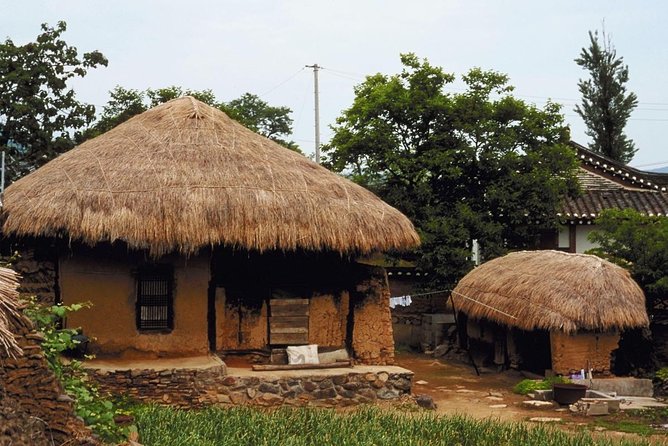
- Culture that moves beyond Seoul: Fortress views, royal tombs, hanok streets, and sea-side temples.
- A guide who explains the why: Recent tours highlight guides who are prompt, upbeat, and very knowledgeable.
- A weather-dependent route: Some outdoor sights may shift if conditions are poor.
Why this 3-day West/East plan beats staying in Seoul
Seoul is great. But you can feel it after a day or two: the same neighborhoods, the same museum routines, the same lines. This tour is built for people who want Korea beyond the capital buzz, and who don’t want to give up on comfort.
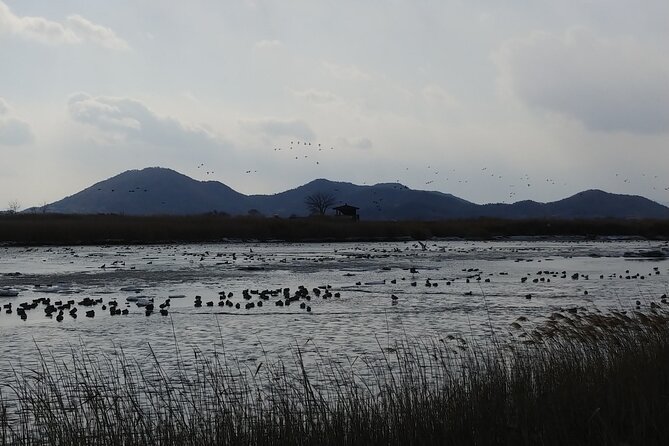
You’ll spend three days hopping between regions that feel different from each other. That matters, because “Korea” is not one vibe. It’s coastal cities, old capital ruins, quiet royal tomb grounds, and village streets where the food is part of the attraction. Instead of doing only city landmarks, you get a mix of heritage sites and daily-life places.
The private setup helps too. It’s not a shared group where you’re stuck with someone else’s pace. It’s just your party, and that makes timing easier—especially when you want to linger for photos at a fortress overlook or walk a bit more at a village site.
You can also read our reviews of more tours and experiences in Seoul
Price and Logistics: what $800 buys you (and what it doesn’t)
At $800 per person for a 3-day private tour, this isn’t a budget bus tour. But it also isn’t just a driver and a vague route. The price includes several hard-to-ignore costs: fuel surcharge, parking fees, admission, and 3 lunches.
That means your day-to-day expenses are simpler. You’re not constantly checking ticket prices or scrambling for cash at each stop. And lunch included three times is a real time-saver in regional cities where options can be great but also hit-or-miss depending on the area.
What’s not included is where you’ll sleep. Accommodation is not part of the package, so you’ll need to book your hotel separately. That’s the one big line item that affects your total trip cost.
Also note the tour is sold as a private activity. That usually means you’ll get better matching to your interests and less waiting for other travelers. In the real world, it often feels like a “real itinerary” instead of a long checklist.
Day 1: Gongju and Jeonju—Baekje capital sites and hanok-food time
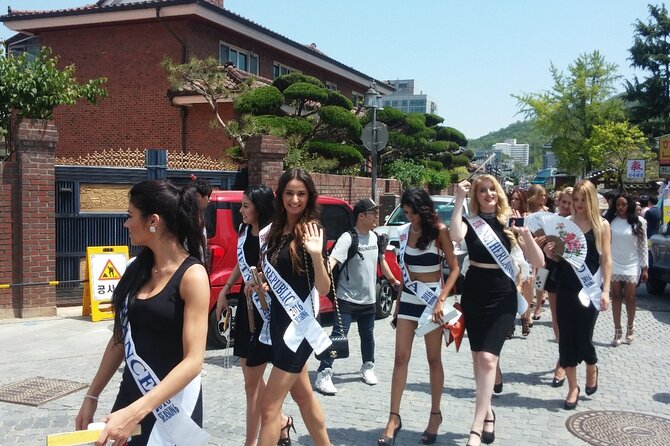
Day one is where the trip starts feeling special fast, because you’re going back to old Korea instead of just collecting modern photos.
Gongju: old capital capital energy
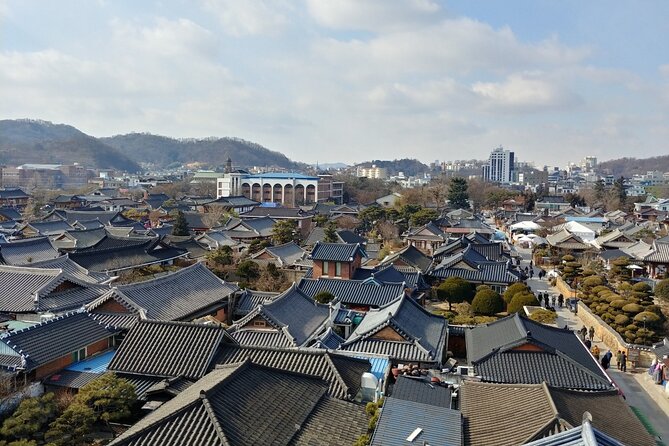
You begin in Gongju, known as the capital of the Baekje dynasty about 1,400 years ago. The big draw here is variety in one area: fortress walls, museum-style context, and ancient royal tomb history. Even if you’re not a hardcore history person, the layout helps. You can look at the grounds, then get the story behind them.
You’ll have time to explore the fortress and nearby museum stops, plus the kind of open-air atmosphere that city museums can’t replicate.
Jeonju: hanok neighborhoods and the food that locals care about
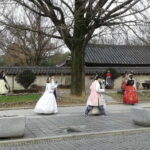
Next comes Jeonju, famous for its hanok (traditional Korean houses). What I like about Jeonju in a tour like this is that it’s not only architecture. You get the feel of a place where tradition and daily life overlap.
Jeonju Hanok Village is a highlight. And there’s an extra layer here: it’s tied to Korean life during the Japanese occupation era, when defensive shelter structures were used to protect the community. Today it’s known for street food, which is exactly the kind of experience that makes a tour feel like travel, not just transportation.
Practical tip: wear shoes you can walk in. Jeonju’s streets and village paths can be uneven, and you’ll want freedom to wander without rushing.


Gongsanseong Fortress: the view + a little activity
Later on day one, you’ll visit Gongju Gongsanseong Fortress. This is the spot for the “look down at the city” moment. Fortresses are popular for a reason: they show you how far people could see and why locations were chosen.
The tour also includes archery time here. Even if you’re not a sports person, it breaks up the museum-tomb pattern and adds a hands-on memory.
Day 1 East shift: Muryeong tomb grounds and Hahoe Folk Village
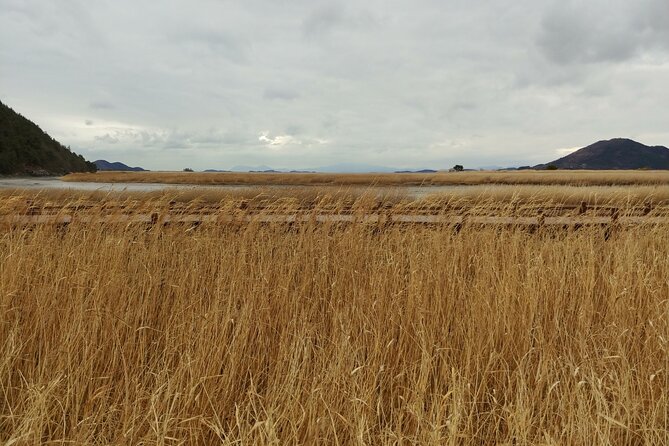
Day one keeps going beyond the West-only feel, and that’s a smart move if you chose the combined West/East format.
Muryeongwangneung Tomb: royal story on the ground
At Muryeongwangneung, you’re looking at a royal tomb site tied to the Baekje dynasty. You’ll spend about an hour here, which is enough time to slow down and take in the scale without feeling like you’re sprinting through history.
It also helps that the site includes a small museum element, so you’re not stuck guessing what you’re seeing.
Andong Hahoe Folk Village: authenticity with global name recognition
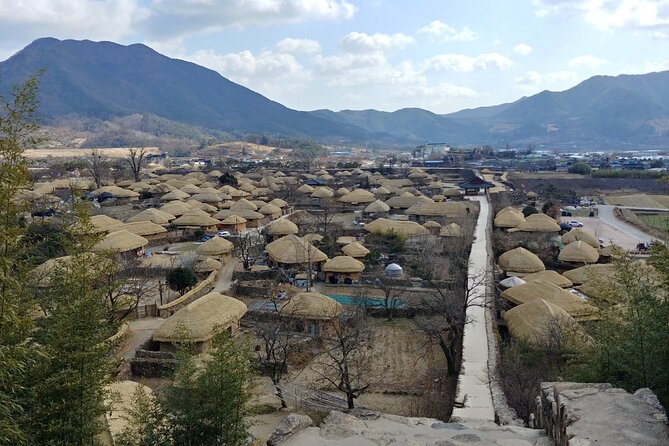
Then comes Andong, and specifically Hahoe Folk Village. This is one of those Korean “living village” experiences where the setting matters as much as the buildings.
What makes this stop memorable is the reputation for authenticity. You also get a fun connection to modern history: it’s noted that Queen Elizabeth II visited Andong in 1999 and had a birthday party. That fact alone makes the village feel less like a random stop and more like a place with international attention.
Time is shorter here (about 1 hour 30 minutes), so prioritize what you like most: the village layout, the traditional structures, or the atmosphere of walking through a place that feels lived-in.
Day 2: Yeosu to Gyeongju and then the sea-temple moment
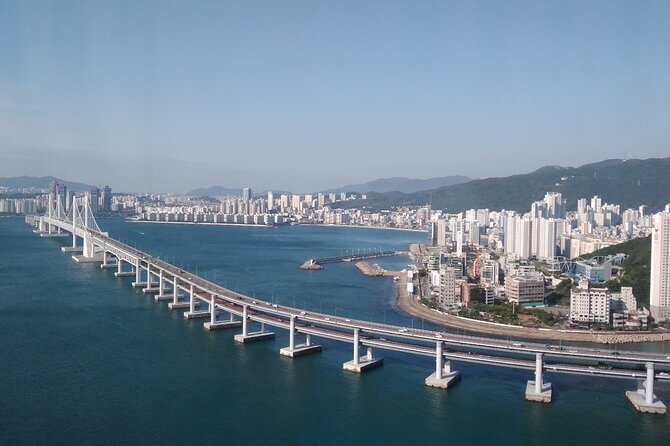
Day two is where the trip turns scenic. You’ll go from ocean views to ancient capital layers to a temple sitting right by the sea.
Yeosu: ocean views and fresh seafood energy
Yeosu is a top West-and-south sea destination. The plan gives you about three hours here, and it’s set up around ocean scenery and seafood culture. Even if you don’t treat this as a food-only stop, the sea air and the visual variety make it feel like a real break from tombs and museums.
Tip: bring layers. Sea breezes can change how warm you feel, especially if the day starts sunny and then turns windy.
Gyeongju: a city built on 1,000 years of Silla capital life
Then you’re in Gyeongju, the ancient Silla dynasty capital for about 1,000 years. What I like is that the city itself becomes the museum. You’re not just seeing one monument; you’re moving through a place whose entire identity is shaped by long history.
You’ll also visit Gyeongju National Museum, which is where the story gets organized. It’s especially helpful if you’ve been bouncing between sites and want a clear timeline.
Odongdo: a short trek, camellia season vibes
Odongdo is a trekking-style stop where you can see camellia flowers. I can’t promise they’ll be in bloom for your exact date, but the tour framing is clear: you’re there for the walk and the island views.
This is a “bring good energy” moment. It’s not a long hike, but it’s active enough to wake you up after indoor stops.
Daereungwon Tomb Complex: scale in your face
Another royal tomb stop follows at Daereungwon Tomb Complex. You’ll have about 40 minutes here, which is the sweet spot for seeing the layout and getting the feeling of how massive these burial complexes are.
Even better, the included museum element helps connect what you see with what it represents.
Haedong Yonggungsa: temple by the East Sea
To close day two, you go to Haedong Yonggungsa. This is one of Korea’s most scenic temples because it’s located right by the East Sea, creating strong coastal views.
If you’re the type who remembers trips by one or two images, this is the stop that tends to become that image.
Day 3: Mokpo, APEC Naru Park, and Busan’s Gamcheon art streets
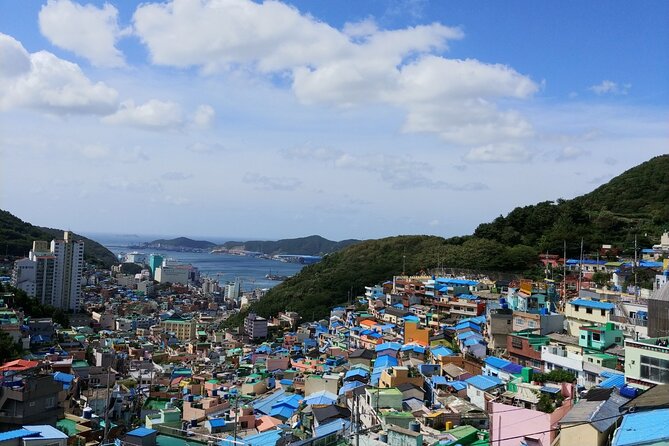
Day three is where the tour hits Korea’s western end flavor, then shifts back toward coastal culture and ends with one of Busan’s most photo-friendly areas.
Mokpo: west-end city views and local food feel
Mokpo is described as being at the west end of Korea, with authentic food and unique city views. You get about two hours here.
This stop works well because it’s not trying to be an ancient-theme park. It’s more about soaking up regional life and eating well, then letting the city texture do the talking.
APEC Naru Park: a park with a famous meeting behind it
Next is APEC Naru Park, connected to the APEC meeting held in 2005. You’ll have about an hour, and it’s chosen for its scenic location.
This is the kind of stop that balances the day. It’s lighter than a tomb or museum, but it still gives you a clear reason to be there.
Busan Gamcheon Culture Village: refugees to art neighborhood
To wrap the trip, you head to Busan Gamcheon Culture Village. The story here is powerful: the village was originally made to house refugees from across the country. Over time, it became a famous tourist attraction for its unique culture.
In practice, you get a compact dose of colorful streets and creative energy in about 40 minutes. It’s a good final stop because it gives you movement, photo opportunities, and a sense of modern Korea before you head onward.
Comfort and Guide Style: why the best part isn’t just the sights
The sights are the headline. But the guide is often what makes the experience feel worth the money.
Recent experiences with this operator highlight guides who are prompt and cheerful, and who explain not only what you’re seeing, but why it matters. You’ll see this in the way explanations land at major sites like royal tomb areas and ancient capital stops. It turns history into something you can actually picture.
There’s also a comfort angle. One standout note is that the vehicle is described as luxurious and comfortable, and that the guide pushes to keep everyone on track. For a tour that packs in many stops, that kind of organization makes a big difference.
If you’re traveling with people who get impatient with slow pacing, a good guide helps. And if you’re the type who wants extra time for photos or questions, a good guide helps even more.
Timing reality check: how to handle a packed 3-day rhythm
A 3-day tour that covers both West and East regions will always feel busy. That’s not a criticism. It’s just math.
The trade-off is clear: you see more far-flung Korea than you could on your own in a short window. The downside is that you have fewer hours to linger at each place. If you like slow travel and lots of free time, you may wish you had more days.
A practical way to cope:
- Start early with energy. Don’t plan late breakfasts.
- Keep your camera gear light.
- Choose one or two stops per day where you slow down. The rest you do at a steady pace.
Also remember: accommodation isn’t included. That affects your planning around where you sleep each night, since the trip is designed to move across regions.
Is the food worth it? Lunch included and regional tastes built in
Food isn’t an afterthought here. The route repeatedly points you toward places where eating is part of the local identity.
Jeonju is set up for hanok village street food. Yeosu is built around ocean scenery and fresh seafood. Mokpo is framed as authentic food territory. And because lunch is included three times, you’re not stuck figuring out meals while also juggling transportation.
What I recommend: treat lunch as a chance to order boldly, even if your Korean reading skills are average. Ask your guide what’s good on that day. You’ll get better odds of a satisfying meal than picking randomly near a tourist entrance.
Who should book this West/East private tour?
This one is a strong fit if you:
- Want regional Korea outside Seoul without planning your own multi-city logistics.
- Prefer a private experience with pickup and a comfortable vehicle.
- Love cultural sites like fortress areas, royal tomb complexes, hanok villages, and sea-side temples.
- Are okay with a busy schedule and don’t need lots of downtime.
It may feel less ideal if you:
- Want a slow-paced trip where you relax at every stop.
- Have trouble walking uneven ground in village areas or on fortress paths.
- Still need to budget hotels heavily, since accommodation is not included.
Should you book Essence Korea 3days Ptivate Tour (West/East)?
If you want the short-cut to real Korea—old kingdoms, sea views, and the kind of food you can’t just replicate with convenience store snacks—this tour makes a lot of sense.
The value case is strongest when you compare the included costs. You’re getting admissions and 3 lunches plus transport support. For private travel, that reduces decision fatigue and makes the trip feel organized.
My advice: book if you’re comfortable with a fast pace and you already have your hotel figured out. If you like slow travel, consider doing West or East as a longer trip instead of trying to swallow both in three days.
FAQ
Can I choose a West course, an East course, or a combination?
The tour information says you can choose between West and East courses or combine them together.
Is pickup included?
Pickup is offered, and the tour notes that it is near public transportation.
What’s included in the price besides the tour itself?
The listed inclusions are fuel surcharge, parking fees, admission, and lunch (3).
Is accommodation included?
No. Accommodation is listed as not included.
Are admission tickets included?
Yes. Admission is listed as included, and the itinerary marks some stops as admission included and others as ticket free.
How long is the tour?
The duration is listed as 3 days (approx.).
Is this a private tour?
Yes. It is a private tour/activity, and only your group participates.
When do most people book this tour?
On average, it is booked 53 days in advance.
What is the cancellation rule if plans change?
Free cancellation is available up to 24 hours in advance for a full refund, and weather can affect operations with an alternative date or a full refund offered.
![[Private] DMZ & Imjingak Peace Gondola Experience Inter-Korean War - The 3rd Infiltration Tunnel: the stop that requires real effort](https://1.visitseoulkorea.com/wp-content/uploads/private-dmz-imjingak-peace-gondola-experience-inter-korean-war-400x267.jpg)