REVIEW · BBQ
Seoul Korean BBQ Dinner Experience with Secret Food Tours
Book on Viator →Operated by Secret Food Tours · Bookable on Viator
Some dinners just teach you how to eat. This one pairs Ikseon-Dong Hanok Village with hands-on Korean BBQ. I love that it’s guided, so you don’t need to guess grill etiquette or what banchan is for, and I also like the fun, full-table atmosphere that makes the meal feel like a Seoul night out. One drawback: if you’re not big on meat-forward dinners and the typical beer/soju vibe, you may feel a bit rushed by the fixed flow of a group BBQ service.
The format is also a smart use of time: you start at 5:30 pm, walk through a photogenic old-neighborhood area, then end inside the BBQ spot where the night turns cinematic fast. It helps that this is private for your group, so questions don’t get lost in a crowd, and the guide can steer everyone through the meal.
In This Review
- Key Highlights You’ll Feel Right Away
- Why Ikseon-Dong + Korean BBQ Works So Well Together
- Meet at Jongno 3-ga and Glide Into Hanok Street Life
- Ikseon-Dong Hanok Village: What History Looks Like on Foot
- The BBQ Street Shift: From Quiet Alleys to Grill-Centered Dinner
- How Korean BBQ Actually Gets Eaten: Grills, Banchan, and Pace
- Soju and Beer Part of the Lesson, Not Just the Drink
- Food, Fullness, and the Group-Style Vibe (Private for Your Crew)
- Price Check: Is $93 Worth It for Seoul KBBQ?
- Who Should Book Secret Food Tours KBBQ Dinner
- Should You Book This Korean BBQ Dinner?
- FAQ
- What does the tour include?
- What is the price per person?
- How long is the tour?
- Where is the meeting point?
- Is transportation included?
- Is this tour private?
- What time does it start?
- Do I need to tip?
- Is there any weather dependency?
Key Highlights You’ll Feel Right Away
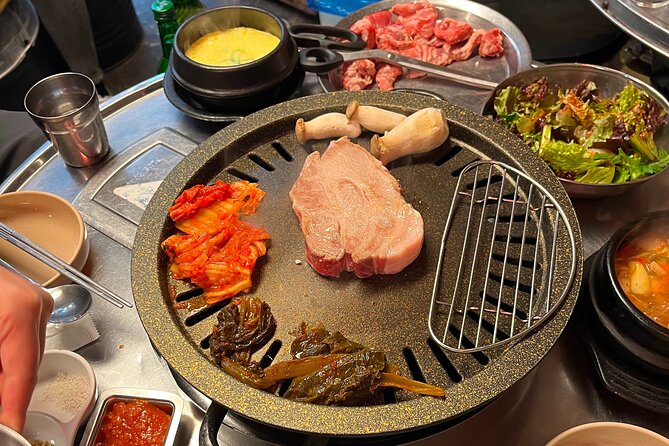
- Hanok Village first, then BBQ street: you get old Seoul context before the grill starts
- A real guide-led method for grilling and eating around the table
- Banchan teaching moment: side dishes aren’t filler, they’re part of the order
- Soju and Korean beer included in the experience flow for the full cultural pairing
- Fun guide energy that can turn a solo attempt into a shared night (and yes, it works)
Why Ikseon-Dong + Korean BBQ Works So Well Together
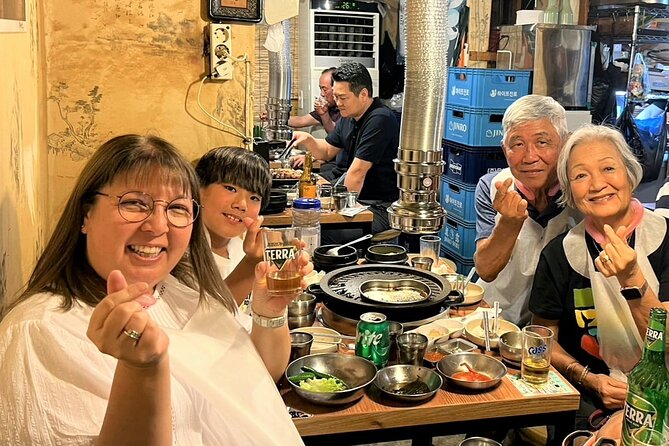
Seoul can be split into two kinds of experiences: the sightseeing version and the food-and-living version. This tour is built to connect both without making you bounce across the city for hours. You begin in Ikseon-Dong Hanok Village, which is one of those areas where the streets feel like a living postcard, and then you shift to the BBQ street portion of the evening, where the energy changes from quiet alleys to smoke, sizzling metal, and plates landing in front of you.
That order matters. If you go to Korean BBQ cold—no context—you end up treating it like just another meal. Here, the guide frames what you’re about to do, so you’re not only tasting meat. You’re learning the rhythm: how people gather, how the grill is used, and how sides and rice fit into the sequence.
Also, the vibe is practical fun, not stuffy culture class. The best versions of this kind of tour lean into the social format: group tables, shared dishes, and a guide who makes it feel easy. In past group experiences with this company, guides have been described as fun and even “wise,” and that matters because KBBQ can be confusing if you don’t know what to do when the server drops off raw cuts and banchan.
You can also read our reviews of more food & drink experiences in Seoul
Meet at Jongno 3-ga and Glide Into Hanok Street Life
Your night starts at Jongno 3(sam)-ga in Jongno District. That’s a solid choice because it’s a central area with public transportation nearby. In other words, you’re not stuck hunting for a remote pickup point or relying on a taxi every time the plan needs a reset.
You’ll meet, then head into Ikseon-Dong Hanok Village before the BBQ portion. Starting at 5:30 pm is smart. Early enough that you still have daylight for streets and photos, but late enough that the dinner energy is already building. By the time you’re ready to eat, your hunger will feel like it matches the moment instead of arriving late and tired.
One more thing I appreciate about tours like this: because it’s a private activity for your group, the guide can keep the pace comfortable. If someone needs a minute to understand the grilling flow, the group usually won’t lose out to the next stop. You get a more natural conversation instead of a quick, scripted explanation.
Ikseon-Dong Hanok Village: What History Looks Like on Foot
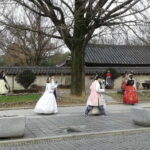
Ikseon-Dong Hanok Village isn’t just a backdrop. You get the story side too, with a guide who shares history while you walk. This helps you notice things that casual strolling would miss. Instead of only seeing traditional architecture, you start connecting it to how the area evolved and why people care about preserving that character.
Even if you’ve seen plenty of hanok streets in Seoul, this kind of guided walk is useful because it gives you a quick way to orient yourself: what you’re looking at, why it matters, and how this area fits into the wider city. It also sets the dinner stage. Korean BBQ is modern, loud, and fast. Hanok streets are quieter. Walking both back-to-back makes the contrast feel intentional.
Practical tip: wear shoes you can trust. Hanok lanes tend to be walk-friendly, but you’ll still want comfortable footing for an evening tour that moves at a steady group pace.
The BBQ Street Shift: From Quiet Alleys to Grill-Centered Dinner
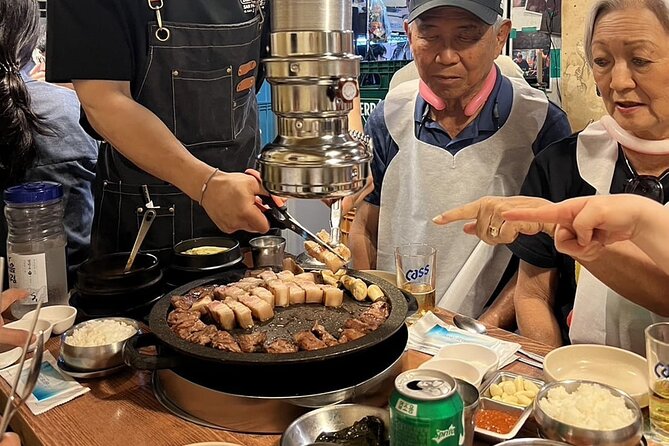
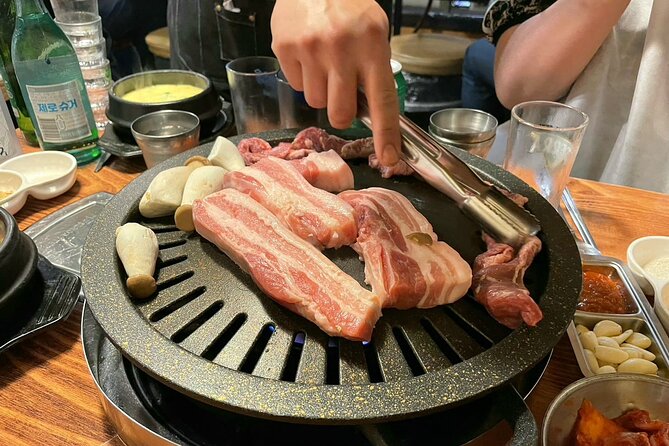
Once you move from the hanok area to the BBQ street, you’ll feel the tone change instantly. This is where the tour becomes more than sightseeing. You’re stepping into the heart of a Korean social meal: people gather around a grill in the middle of the table, and the dinner turns into a shared activity.
The guide’s role becomes even more important right here. Without help, KBBQ can trip you up in two ways. First, you might not know what to cook first. Second, you might miss how banchan is meant to be used alongside meat. The tour helps solve both by explaining the basics of how it’s supposed to be eaten and, in this experience, how to approach the typical drinks that go with it.
You’ll likely see the street energy that makes Seoul’s food scene feel alive. The restaurant portion also has a “cinematic” feel, which is exactly what it sounds like: glowing grill light, server movement, and everyone focused on the table as the meal starts to build.
How Korean BBQ Actually Gets Eaten: Grills, Banchan, and Pace
Korean BBQ at a table like this is less about one dish and more about a sequence. The server brings raw meat and a spread of banchan (side dishes), then you cook at your spot while the guide helps you understand what to do.
Here’s what I think you’ll appreciate most about the guide-led approach:
- You’ll get the order logic. Instead of cooking randomly, you’re guided through the right rhythm so the meal flows.
- Banchan becomes useful, not decorative. Banchan isn’t just there for variety. It’s part of how you balance flavors as you eat.
- Rice fits naturally into the plan. You’re not left wondering what goes with what. The tour setup nudges you toward how locals combine meat, sides, and rice.
And yes, this is the kind of experience where you get full fast because you’re actively participating. When you cook your own meat, you tend to eat a bit differently than at a restaurant where food arrives already finished. You’ll watch it, smell it, adjust, and then taste sooner. That’s fun, but it can also mean you’ll be pretty stuffed by the end—exactly the kind of outcome people love, especially meat lovers.
Another practical angle: if you’re the type who worries about being awkward at a new food style, this format is a relief. The table is shared, the grill is central, and the guide keeps you from feeling lost.
You can also read our reviews of more tours and experiences in Seoul
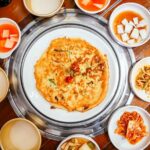

Soju and Beer Part of the Lesson, Not Just the Drink
This experience is framed as a Korean BBQ dinner with Korean beer and soju in the mix. That matters because in real KBBQ culture, the drinks aren’t only for party mood. They’re part of how people pace the meal.
The guide explains how things are supposed to be eaten and drunk, which means you’re not left to guess. If you drink, it helps you match the cultural rhythm rather than treating soju like just another shot. If you don’t, you still benefit from the structure because the food sequence is the main event, and the tour focuses on the meal experience overall.
One note for your expectations: the fun described for this tour often includes a lively group vibe. In at least one example, a guide named Youla has been credited with adding energy to the evening, even for people who started out traveling on their own. That kind of friendly coaching makes it easier to relax and go with the flow.
Also, the overview mentions classic combos and possibly games. That signals the tour aims for a good-time atmosphere, not a quiet tasting. If you want a calm, silent dinner, this may not match your style.
Food, Fullness, and the Group-Style Vibe (Private for Your Crew)
This is a dinner experience, not a long multi-course show. You’re going to eat. A lot. Korean BBQ is naturally generous, because the table is built for sharing meat and sides, and the “cook and eat” format means you’ll likely take a few cycles before you realize you’ve already had more than you planned.
That matches what people rave about: leaving incredibly full and happy. If you’re traveling with other meat fans, you’ll probably love the competitive-but-friendly energy of grilling and trying different combinations of banchan.
Because it’s private for your group, the experience tends to feel more personal. You can ask questions without worrying that the guide has to manage a huge crowd. And since you start and end at the same meeting point, you also avoid the stress of complicated end-of-night transfers.
One small consideration: the tour runs about 2 hours 30 minutes. For a first KBBQ experience, that’s a good length. But if you’re the type who likes slow dining or you want a long, lingering chat after eating, you might find the timeline a bit tight. Still, for most people, the energy is the point.
Price Check: Is $93 Worth It for Seoul KBBQ?
At $93 per person for roughly 2.5 hours, the key question is what you’re paying for: food, a guided explanation, and a structured cultural experience.
Here’s how I’d value it:
- You’re getting guided grilling and etiquette help. That’s hard to replicate alone, especially if you don’t know how to work with banchan and the table flow.
- The dinner format includes more than just meat. You’re dealing with sides, rice, and the typical Korean BBQ drink pairing.
- You also get the hanok village piece. That makes the evening more than a single restaurant meal. You’re doing a walk through a specific Seoul neighborhood style first, then you’re eating within a Korean BBQ setting.
What’s not included matters too. Transportation isn’t included, and gratuity isn’t included. So you should budget separately for getting to Jongno 3-ga. The upside is the meeting area is near public transportation, which usually keeps costs reasonable.
Do I think it’s a bargain? Seoul can be full of cheap meals. But KBBQ gets expensive when you compare the full experience: a guided table lesson plus the social dinner setup. For the right traveler, this price feels fair because you’re not just buying dinner—you’re buying a smoother, more satisfying way to do it.
Who Should Book Secret Food Tours KBBQ Dinner
This tour fits best if you want a real Seoul-food night with training wheels.
You’ll probably love it if:
- You’re a meat lover and want Korean BBQ done properly
- You enjoy drinking socially in the context of local food culture (beer/soju pairing)
- You’d rather learn by doing than reading etiquette notes
- You want a guide who can answer questions while you’re cooking
You might want to skip or adjust expectations if:
- You don’t like the idea of a grill-centered meal with lots of sides and cooking time
- You want a quiet, formal dinner rather than a lively group atmosphere
- You’re very budget-focused and plan to eat independently
If you’re traveling solo, this kind of guide-led, group-table structure can still work well, since the whole point is helping you participate without feeling awkward.
Should You Book This Korean BBQ Dinner?
If your goal is to eat Korean BBQ in a way that makes sense—how you cook, how you build flavor with banchan, and how the drinks fit the meal—then this is an easy yes. You’re getting a neighborhood walk first, then a guided dinner where the guide actively helps you do it the correct way. That’s why people who do this with a local guide often say they finally understand Korean BBQ, not just taste it.
Book it if you’ll be happy with a lively, meat-forward evening, and if you can comfortably get yourself to Jongno 3-ga for the 5:30 pm start. Skip it only if you’re looking for a low-key meal, or if you strongly prefer food that doesn’t revolve around cooking at the table.
One last practical note: this experience depends on good weather and may also require a minimum number of travelers. If Seoul weather is unpredictable on your dates, that’s normal. Just keep it in mind when you plan the rest of your week.
FAQ
What does the tour include?
Dinner is included. The experience is designed around a Korean BBQ meal with the in-restaurant grilling setup and the guided food experience.
What is the price per person?
The price is $93.00 per person.
How long is the tour?
It lasts about 2 hours 30 minutes.
Where is the meeting point?
The meeting point is Jongno 3(sam)-ga, Jongno District, Seoul, South Korea.
Is transportation included?
No. Transportation is not included.
Is this tour private?
Yes. It is private for your group.
What time does it start?
It starts at 5:30 pm.
Do I need to tip?
Gratuity is not included.
Is there any weather dependency?
Yes. The experience requires good weather, and if it’s canceled due to poor weather, you’ll be offered a different date or a full refund.