REVIEW · GYEONGBOKGUNG PALACE & HANBOK TOURS
Seoul Highlights: Gyeongbok Palace, Insadong & N Seoul Tower
Book on GetYourGuide →Operated by VIP Travel · Bookable on GetYourGuide
Four stops, one Seoul power tour. This experience strings together Gyeongbokgung Palace and the Insadong lane time in a way that helps you understand Korea fast, not just snap photos. I especially like how the guide frames what you’re seeing at Jogyesa and the Gwanghwamun changing of the guard, and I like that you get genuine free time in Insadong for lunch, tea houses, and artisan browsing. The main catch is simple: the day involves moderate walking, so comfy shoes matter more than you’d think.
If you’re short on time, the half-day option gets you the core palaces and ceremony; the full-day option adds Gwangjang Market, Namsangol Hanok Village, and the cable car ride to N Seoul Tower. Pickup is only for central Seoul hotels, and it’s limited to downtown options, so double-check your meeting point before you rely on hotel pickup.
One more heads-up: Tuesday changes the lineup. Gyeongbokgung and the National Folk Museum are closed on Tuesdays, so you’ll swap in Changdeokgung Palace and Bukchon Hanok Village instead, while still keeping the rest of the highlights flow.
In This Review
- Key highlights worth planning around
- How This Tour Works: 4 to 8 Hours, Not a 20-Site Sideshow
- Jogyesa Temple and the Gwanghwamun Changing of the Guard
- Entering Gyeongbokgung Palace (and the Tuesday Swap)
- National Folk Museum: Turning Palace Scenery Into Real Culture
- Insadong: Lunch Freedom, Tea Houses, and Artisan Streets
- Gwangjang Market: Street Food Energy Without the Chaos
- Namsangol Hanok Village: A Quiet Pause Under Namsan
- N Seoul Tower by Cable Car: The Best View Moment, with One Important Exclusion
- Price and Value: Why $26 Can Make Sense
- Logistics That Matter: Pickup, Walk Time, and Tuesday Closures
- Who Should Book This Tour (and Who Might Pass)
- Should You Book This Seoul Highlights Tour?
- FAQ
- Is N Seoul Tower observatory admission included?
- What’s the difference between the half-day and full-day options?
- What happens on Tuesdays when Gyeongbokgung Palace is closed?
- Are meals included during the tour?
- Do I need to pay for palace and museum entry?
- Is hotel pickup available everywhere in Seoul?
- Is the tour suitable for wheelchair users?
Key highlights worth planning around
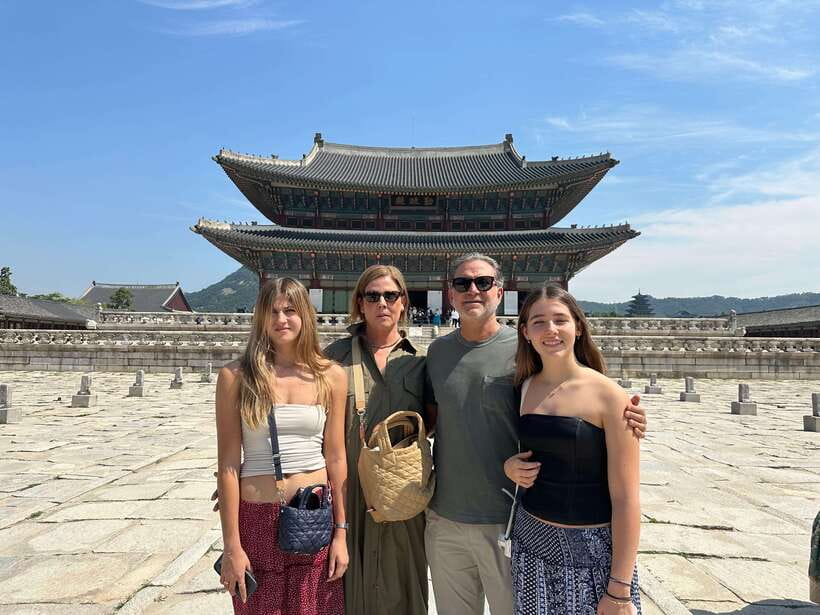
- Changing of the Guard at Gwanghwamun gives you a real sense of Joseon-era ceremony, right where modern Seoul pulses.
- Insadong free time for food and crafts means you’re not stuck eating whatever is closest.
- National Folk Museum + palace grounds helps connect buildings to the people who lived in them.
- Gwangjang Market food stop is your chance to taste Seoul street culture without hunting for it.
- Round-trip cable car to N Seoul Tower lands you in the best “wow” viewpoint, with observatory admission left optional.
How This Tour Works: 4 to 8 Hours, Not a 20-Site Sideshow
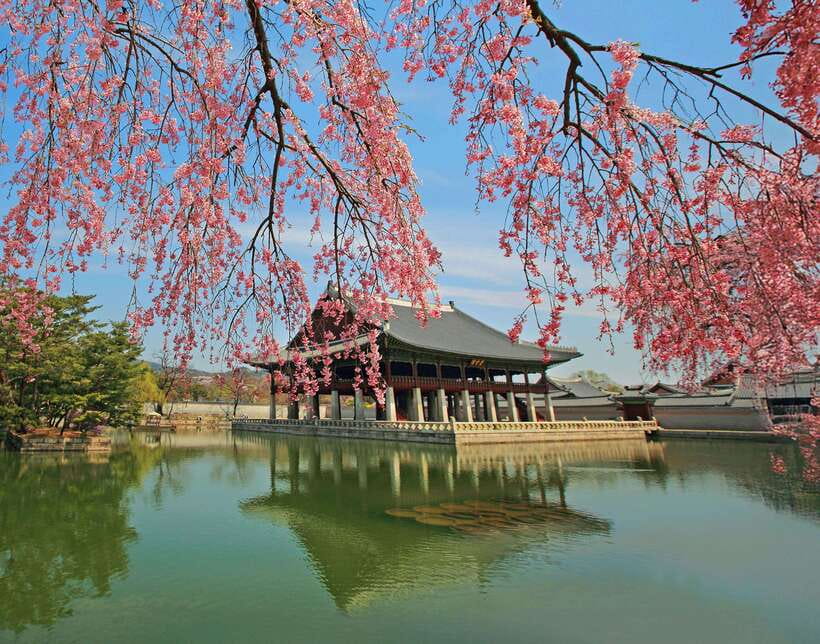
This is built for travelers who want Seoul’s big-name hits without spending your whole day figuring out subway lines and meeting points. The half-day experience runs about 4 hours, while the full-day version runs about 8 hours, with guided time at each main stop and transport by air-conditioned coach or minivan.
The pacing is the point. You’re not just dragged from one location to another; you’re given guided context and then allowed breathing room—especially in Insadong. For me, that balance is the sweet spot: explanation up front, then freedom to eat and browse.
Also, the included transport is part of the value. The tour covers coach/minivan time between stops (including segments like a ~30-minute transfer in the schedule), plus parking, highway tolls, and fuel surcharges—so you’re not nickel-and-dimed on transit logistics.
You can also read our reviews of more tours and experiences in Seoul.

Jogyesa Temple and the Gwanghwamun Changing of the Guard
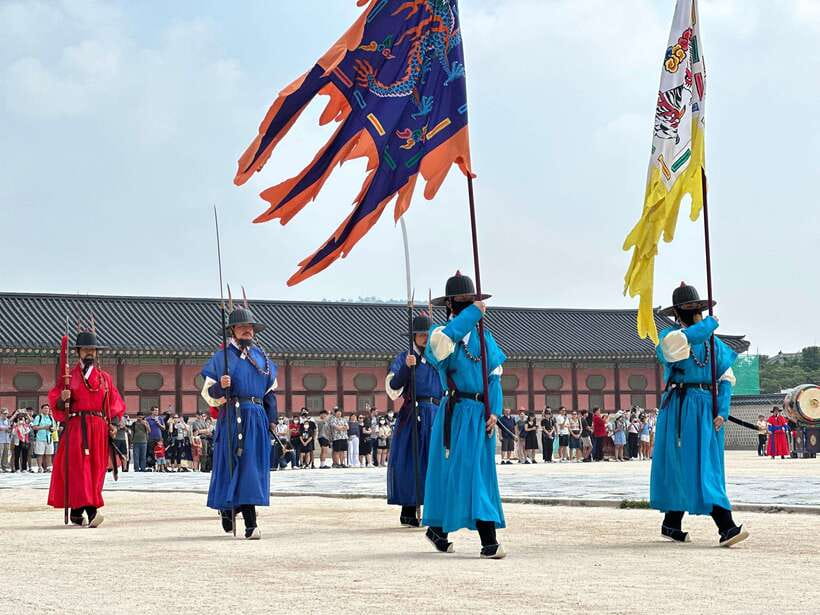
Your day starts with Jogyesa Temple, the spiritual center of Korean Buddhism. You’ll get a guided visit here (about 30 minutes), and it’s designed to set the tone: towering Buddha statues, calm pine-wood halls, and the feeling that Seoul has deep roots beyond its high-rises.
Then you move into a very visual slice of tradition: the changing of the guard ceremony at Gwanghwamun Gate. This is centuries-old royal ritual performed right in front of a landmark most visitors recognize instantly on maps and TV.
Why this works on a tour: it gives you a framework for what you’re watching. You’re not just standing there while something happens; you’re learning what the ceremony signals, which makes the photos look better because you actually understand what’s going on in them.
A small practical note: palace areas and ceremony zones can get crowded. Your guide helps with timing and positioning, and some guides (like Kelley and Emily, based on past guests) are praised for keeping groups moving efficiently so you’re not stuck waiting forever.
Entering Gyeongbokgung Palace (and the Tuesday Swap)
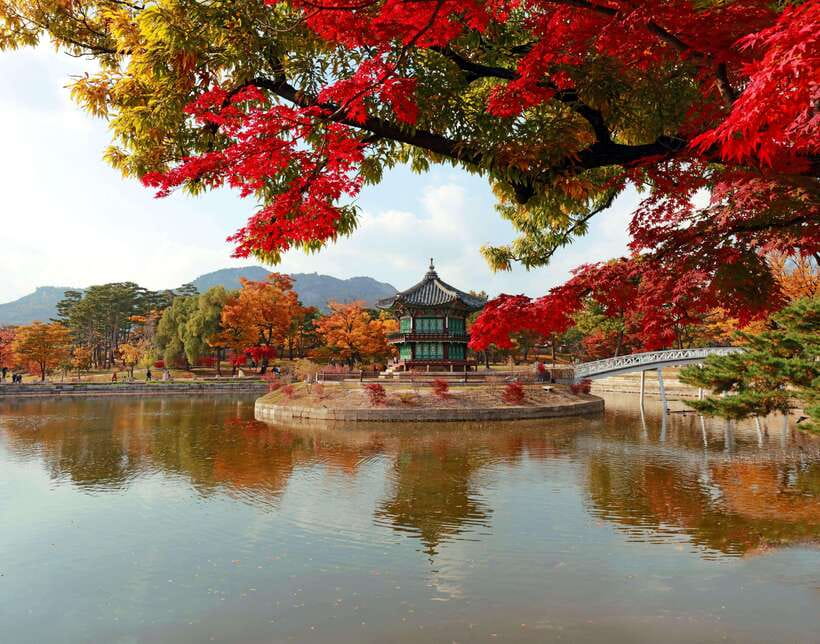
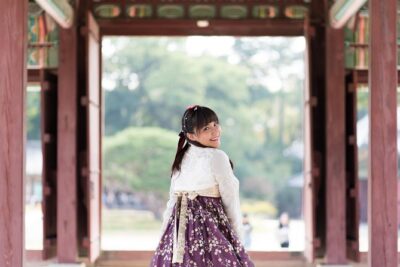
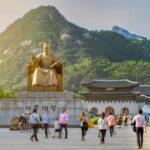
Gyeongbokgung Palace is the headliner. You’ll get a guided walk on the palace grounds for about 1 hour, with enough structure to help you focus on what matters instead of getting lost in a grid of halls and courtyards.
What makes it more than sightseeing is how the guide turns the palace into a story. You’ll learn the Joseon Dynasty context and see the buildings as part of how power, daily life, and ceremony were organized.
Then there’s the calendar reality. On Tuesdays, Gyeongbokgung and the National Folk Museum are closed, so the tour swaps in Changdeokgung Palace (UNESCO World Heritage) and Bukchon Hanok Village. That’s a smart move if you’re traveling on a weekday when closures would otherwise derail your plan.
If you want the most iconic palace experience, check your travel date. If it’s not a Tuesday, you’ll hit Gyeongbokgung; if it is, plan to lean into the Changdeokgung and Bukchon route.
National Folk Museum: Turning Palace Scenery Into Real Culture
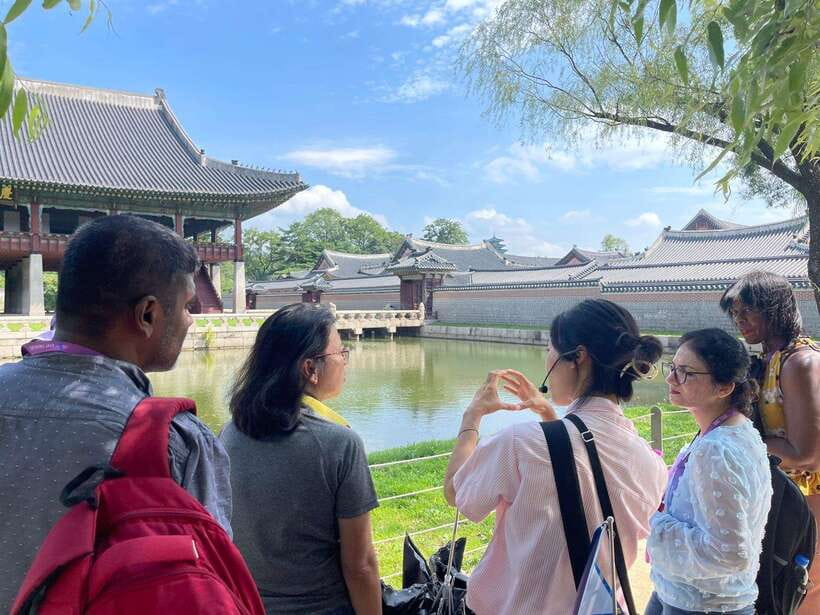
After the palace, you’ll visit the National Folk Museum of Korea (guided, about 30 minutes). This stop is valuable because it connects the physical world you just walked through to the everyday lives behind the grandeur.
Instead of treating the palace like a single set piece, the museum frames Korea’s cultural story through exhibits you can absorb quickly. It’s also a good indoor reset if the weather is intense.
On Tuesdays, since the museum is closed, you won’t do this specific stop. That doesn’t mean you lose the cultural angle; the swap to Changdeokgung and Bukchon helps keep you in traditional settings, just via a different route.
One more practical thing: some guides (like Crystal, for example) are noted for keeping the day organized and explaining points as you go, which helps you actually remember what you saw the next day.
Insadong: Lunch Freedom, Tea Houses, and Artisan Streets
Insadong is where the tour shifts from guided history to personal choice. You’ll get about 1 hour of free time for arts and crafts browsing, lunch, and tea houses.
This is the part I like most, because it stops the day from feeling like a checklist. You can follow your taste: want something sweet? Find a tea house. Prefer shopping? Focus on artisan streets and craft stalls.
You’ll also be in the right neighborhood to slow down for a bit. The streets are built for browsing, so walking here feels different than palace walking—more sensory, more snack-driven, and easier to wander without feeling you’re missing something.
A real-world tip: one guide (Yuna) is specifically praised for helping groups with lunch preferences and even teaching simple bartering habits. You might not need it, but if you’re tempted to buy small crafts, it can help you feel confident in how to ask and how to negotiate.




Gwangjang Market: Street Food Energy Without the Chaos
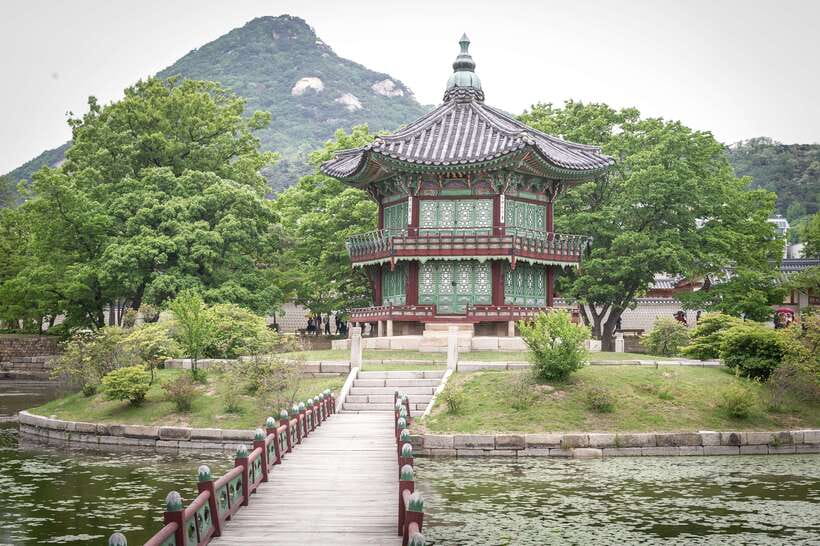
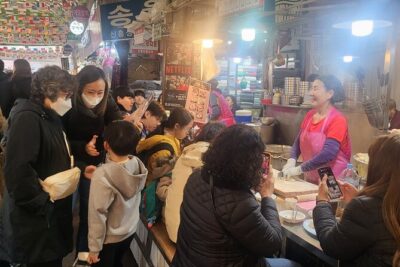
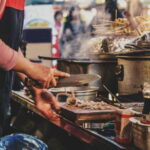
In the full-day version, you’ll head to Gwangjang Market for a food market visit (about 40 minutes). This is one of Korea’s oldest markets, and it has an energetic atmosphere that’s part of the point.
The value here is convenience. You’re not trying to figure out which stalls are legendary or where lines start. You get guided entry and a defined amount of time, so you can sample without turning it into a whole second trip.
Now, one caution: markets move fast and smell strong. If you’re sensitive to crowds or strong food odors, plan your pacing. The tour keeps you moving, but you’ll still want to make space for the fact that it can be tight in busy sections.
Also remember: meals and drinks are not included. That’s not a dealbreaker—the market stop is still a solid value—but go in ready to pay your own way and choose what you actually want to taste.
Namsangol Hanok Village: A Quiet Pause Under Namsan
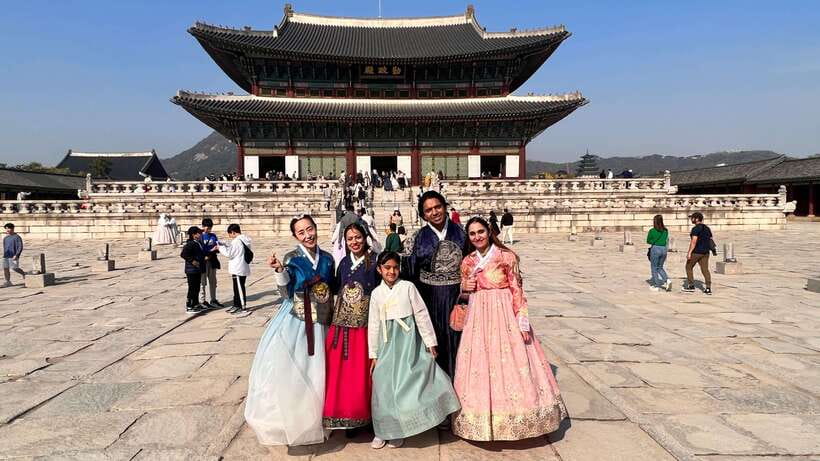
After the market, you’ll visit Namsangol Hanok Village, a peaceful collection of restored traditional houses set against Namsan Mountain. The guided visit is short (about 20 minutes), but it works as a reset between the food-and-crowds section and the tower viewpoint later.
This stop is less about big-ticket monuments and more about atmosphere. You get to see how traditional homes sit in a living landscape, and you can walk through at a slower speed than you’ve had all day.
If you’re traveling with someone who wants a break from constant walking, this is the kind of stop that makes the day feel fair. It’s a change of tempo, and it photographs well without requiring you to chase perfect angles.
N Seoul Tower by Cable Car: The Best View Moment, with One Important Exclusion
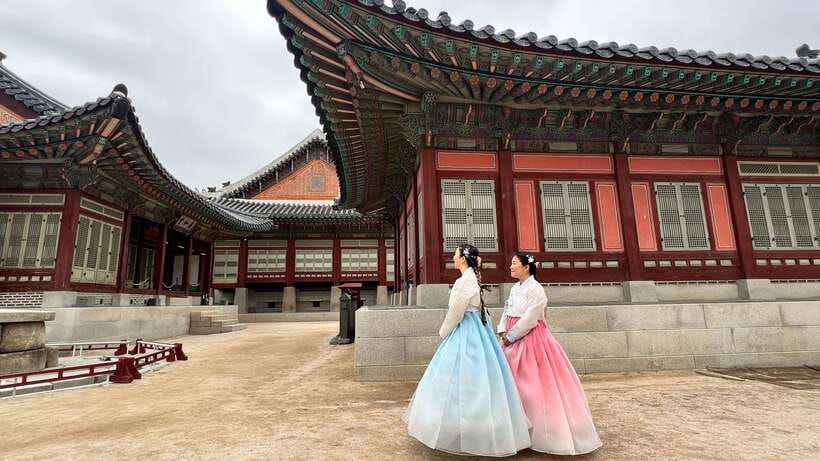
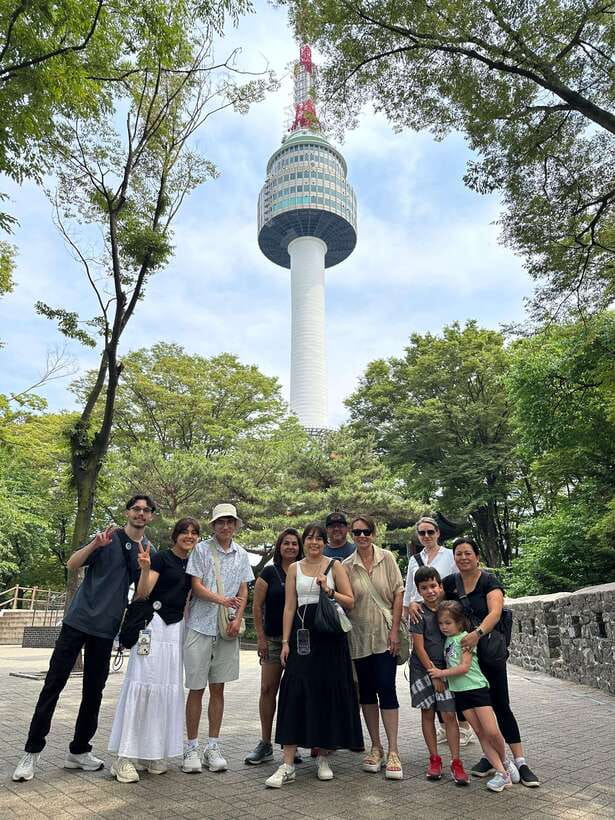
The full-day version ends with N Seoul Tower, reached via round-trip cable car fare included. You’ll get about 1 hour for the tower visit with guided time.
This is your big skyline payoff. From up there, Seoul turns into layers—neighborhood geometry, mountain edges, and a city grid that looks far more understandable than it does at street level.
Here’s the practical catch: observatory admission is not included. You can still enjoy the cable car ride and tower experience, but if you want the view from the observatory level, plan to pay extra on site.
Also note the half-day option limitation: the half-day tour does not include N Seoul Tower or the cable car ride. If you care about the panoramic view, pick the full-day schedule.
Price and Value: Why $26 Can Make Sense
At $26 per person, this tour is priced like a budget-friendly way to stack Seoul’s most recognizable sights in one day. The value comes from what’s bundled, not just what’s listed.
What you’re effectively paying for:
- a professional English-speaking local guide
- air-conditioned transportation by coach/minivan
- entrance fee to Gyeongbokgung Palace (or Changdeokgung Palace on Tuesdays)
- admission to the National Folk Museum of Korea when it’s operating
- Namsangol Hanok Village visit
- round-trip cable car fare to N Seoul Tower
What you’ll pay separately:
- meals and drinks
- N Seoul Tower observatory admission (optional)
- personal shopping and snacks
- travel insurance
So the math is less about the ticket and more about how much you’d spend on guide-led transport, palace/museum entrances, and the cable car on your own. If you’re staying in downtown Seoul and you can use pickup, it usually feels like a smart shortcut.
One more value angle: the guide helps you prioritize so you’re not wasting time. When you’re only in Seoul a short while, time is the real currency.
Logistics That Matter: Pickup, Walk Time, and Tuesday Closures
Hotel pickup is included only if you select it and only for central Seoul downtown hotels. If you’re outside that area or coming from the airport, you’ll need to meet at a designated spot instead.
Pickup options include specific downtown meeting points like THE PLAZA Seoul, Autograph Collection and Myeongdong Station Exit 10. You’ll want to be ready about 5 minutes before the scheduled pickup time.
Walking is moderate. Palaces, markets, and the village area mean uneven surfaces and stairs in places. The tour is not suitable for wheelchair users, so plan accordingly if accessibility is a concern.
And yes, Tuesday changes the game. If your trip lands on a Tuesday, expect Gyeongbokgung and the National Folk Museum to be swapped out for Changdeokgung Palace and Bukchon Hanok Village, while the rest of the day’s highlights still connect logically.
Who Should Book This Tour (and Who Might Pass)
This tour is a great fit if:
- it’s your first time in Seoul and you want the core landmarks without confusion
- you like guided explanations paired with free time to eat and browse
- you want the N Seoul Tower cable car viewpoint without planning it separately
- you’re traveling solo or in a small group and want an organized day
You might consider another option if:
- you need low-walking pacing or step-free routes
- you don’t care about palaces or markets and would rather do neighborhoods slowly
- you want a fully self-paced experience with no scheduled guide timing
If you’re the kind of traveler who likes having a plan but still wants to choose what to eat and what to buy, this is your sweet spot.
Should You Book This Seoul Highlights Tour?
If your goal is to see the big Seoul moments in one organized day—Jogyesa, palace ceremony, Gyeongbokgung (or Changdeokgung on Tuesdays), Insadong browsing, Gwangjang Market bites, Namsangol calm, and a cable car ride to N Seoul Tower—then I’d book it.
I’d especially lean toward the full-day version if the tower view matters to you, because the half-day option won’t include it. And if you’re visiting on a Tuesday, don’t treat that as a setback; it’s a lineup swap that still keeps you in UNESCO-palace territory and traditional neighborhoods.
Go in wearing comfortable shoes, bring cash or a card for meals at your own stops, and use Insadong time like a mini holiday inside your day—tea first, then crafts.
FAQ
Is N Seoul Tower observatory admission included?
No. The round-trip cable car fare to N Seoul Tower is included, but the observatory admission is not. You can purchase it separately on site if you want that level of access.
What’s the difference between the half-day and full-day options?
The half-day option is about 4 hours and does not include N Seoul Tower or the cable car ride. The full-day option is about 8 hours and includes N Seoul Tower by round-trip cable car, plus additional stops such as Gwangjang Market and Namsangol Hanok Village.
What happens on Tuesdays when Gyeongbokgung Palace is closed?
On Tuesdays, Gyeongbokgung Palace and the National Folk Museum are closed. The tour swaps in Changdeokgung Palace (UNESCO World Heritage) and Bukchon Hanok Village, while still including the rest of the highlights such as Insadong, Gwangjang Market, Namsangol Hanok Village, and N Seoul Tower.
Are meals included during the tour?
No. Meals and drinks are not included. You’ll have free time in Insadong for lunch and browsing, and you’ll also have time at Gwangjang Market for food purchases.
Do I need to pay for palace and museum entry?
The entrance fee to Gyeongbokgung Palace (or Changdeokgung Palace on Tuesdays) is included, and admission to the National Folk Museum of Korea is included when it’s operating.
Is hotel pickup available everywhere in Seoul?
Hotel pickup is only available in central Seoul downtown areas, and only if you select the pickup option. If you’re outside that area, you’ll use a designated meeting point.
Is the tour suitable for wheelchair users?
No. The tour is not suitable for wheelchair users. The day involves moderate walking at palaces, markets, and village areas.