REVIEW · GYEONGBOKGUNG PALACE & HANBOK TOURS
Seoul: Gyeongbok Palace, Bukchon Village, and Gwangjang Tour
Book on GetYourGuide →Operated by I LOVE SEOUL TOUR Co., Ltd. · Bookable on GetYourGuide
Seoul packs a lot into a few hours. This tour strings together Gyeongbokgung Palace with the Royal Guard Changing Ceremony, then rolls into Bukchon Hanok Village and the big viewpoint breaks at Bugak, with a fun market finish. I especially like how the day is paced so you’re not just “seeing places,” you’re understanding what you’re looking at while you walk.
One possible drawback: it’s a rain-or-shine, on-your-feet itinerary. You’ll want comfortable shoes because the schedule moves quickly and the terrain around the viewpoints isn’t flat.
In This Review
- Key highlights worth marking
- Why This Seoul Palaces-Plus-Views Loop Works
- Gyeongbokgung Palace: Where the Narration Changes Everything
- Palace Royal Guard Changing Ceremony: Watch It Like a Ritual
- Bukchon Hanok Village: Old Houses, Real Life, Great Angles
- Bugak Skyway and Bugak Palgakjeong: Panoramic Seoul Without the Hustle
- Korean Ginseng Museum: Shopping With Context (So You Don’t Overbuy)
- Gwangjang Market Drop-Off: Snack Your Way Through Seoul
- Tuesday and Full-Day Options: How the Route Changes the Feel
- Tuesday route: N Seoul Tower plus Deoksugung
- Full-day route: War Memorial, Jogye Temple, Tapgol Park
- How the Guides Make the Tour Feel Smooth
- Logistics That You’ll Want to Plan For
- Who This Tour Suits Best
- Should You Book This Seoul Gyeongbokgung-Bukchon-Bugak-Gwangjang Tour?
- FAQ
- How long is the Seoul Gyeongbokgung, Bukchon, and Gwangjang tour?
- What’s included in the tour price?
- Is the tour guide available in English?
- Is hotel pickup offered?
- Does the tour run rain or shine?
- Is hanbok rental included?
- Is the tour suitable for wheelchair users?
Key highlights worth marking
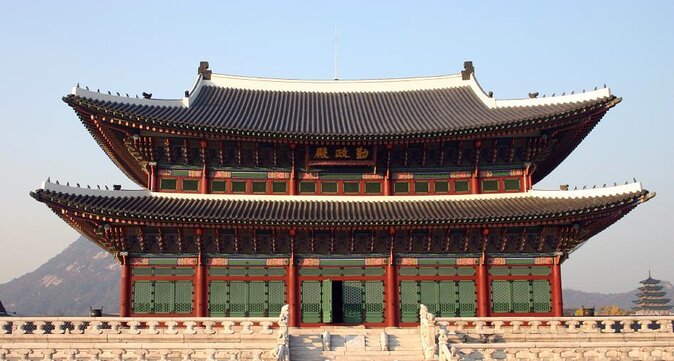
- Royal Guard Changing Ceremony at Gyeongbokgung: a scripted, visual tradition you’ll actually understand with narration.
- Bukchon Hanok Village photo stops: classic old-house lanes, plus a backup plan if Bukchon is closed.
- Bugak Skyway and Bugak Palgakjeong views: a calmer break with panoramic Seoul angles.
- Korean ginseng shopping with context: learn what ginseng is claimed to do, then shop with better questions.
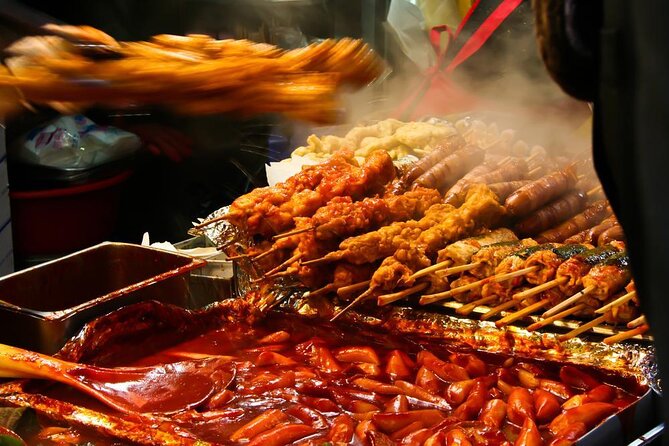
- Gwangjang Market drop-off: you end where the food is, with local favorites like bindaetteok and mayak gimbap.
Why This Seoul Palaces-Plus-Views Loop Works
If you’re on a short trip and you want the “core Seoul” hits without building a DIY route from scratch, this tour is built for you. It’s priced at about $32 per person and typically runs 4 to 9 hours depending on the day and option you choose. In practice, that price buys three things that are hard to replicate solo: transport that reduces friction, a live English guide who frames what matters, and a tight itinerary that stacks history, neighborhoods, views, and food.
The best part is how the stops connect. You start in a major palace, then you move into a preserved traditional neighborhood, then you get pulled up for wide city views, and finally you land at a market where you can snack like a local. It feels like one coherent story of Seoul, not a random checklist.
Two more value boosters: entrance fees and transport are included, and the guides are repeatedly praised for keeping things smooth. If you’ve ever tried to “wing it” between palaces, viewpoints, and markets in Seoul traffic, you already know why this matters.
You can also read our reviews of more tours and experiences in Seoul.

Gyeongbokgung Palace: Where the Narration Changes Everything
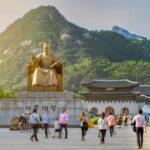
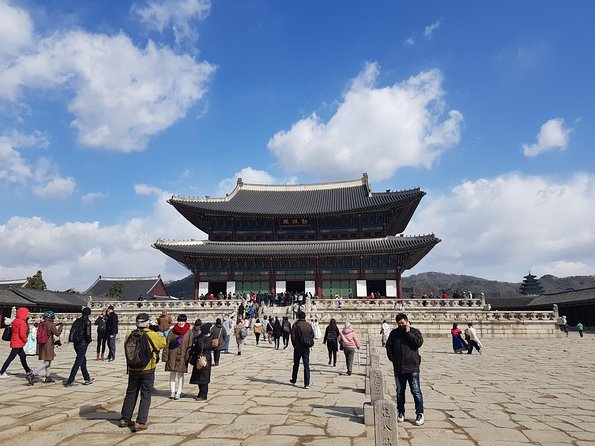
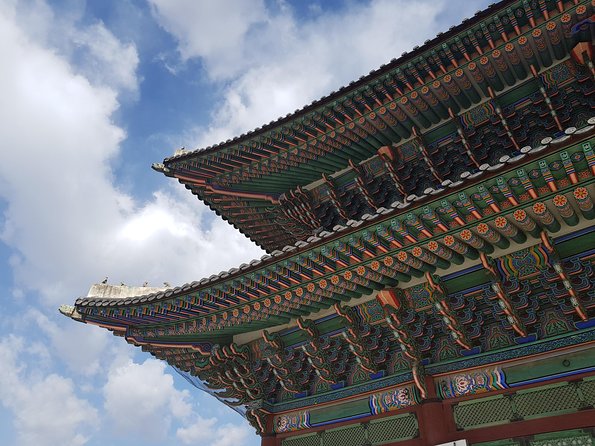
Gyeongbokgung is often described as the most beautiful and largest of Seoul’s main palaces, and this tour treats it like the centerpiece it is. You get about an hour of guided time, and that narration matters because palace grounds can look impressive but still feel confusing if you don’t know what you’re seeing.
With a guide walking you through, you can connect the visual cues—buildings, gates, and ceremonial spaces—to the way Korea’s royal court functioned. You’re not just taking photos of stone and roofs; you’re learning why certain areas were important and what the palace layout was meant to represent.
A practical note: your time is guided and timed, so you’ll want to keep your energy for the walking segments rather than drifting. If you like to linger in museums for an hour at a time, consider that this is a structured tour, not slow travel.
Palace Royal Guard Changing Ceremony: Watch It Like a Ritual
One of the signature moments here is the Palace Royal Guard Changing Ceremony at the palace. This is exactly the kind of experience that’s worth doing with a guide because ceremonies have rhythms, roles, and details that you’d miss if you just stood there filming.
The tour includes narration around the ceremony as part of your Gyeongbokgung visit, so you’re not waiting in the crowd wondering what’s happening. You’ll also get a better sense of how traditional ceremony is staged for visibility and order—useful context when you’re watching something that looks purely visual at first glance.
Tip: keep your phone ready, but also look up from your screen for the full sequence. The payoff is seeing how the guards move through the space with purpose, not just “performing.”
Bukchon Hanok Village: Old Houses, Real Life, Great Angles
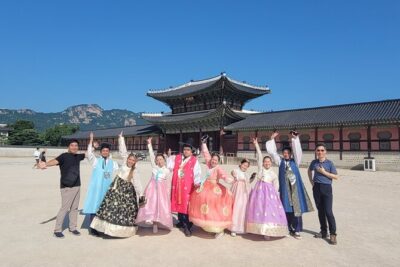
After the palace, you head to Bukchon Hanok Village, often described as the northern village. The key thing here isn’t just the architecture. These hanok buildings function as cultural centers, guesthouses, and places to eat, so the area feels like living heritage rather than a theme park.
You’ll get about 30 minutes of guided time. That’s enough to get oriented, learn what you’re looking at (roof lines, courtyard layouts, and the way lanes cut between homes), and take photos before the group moves on.
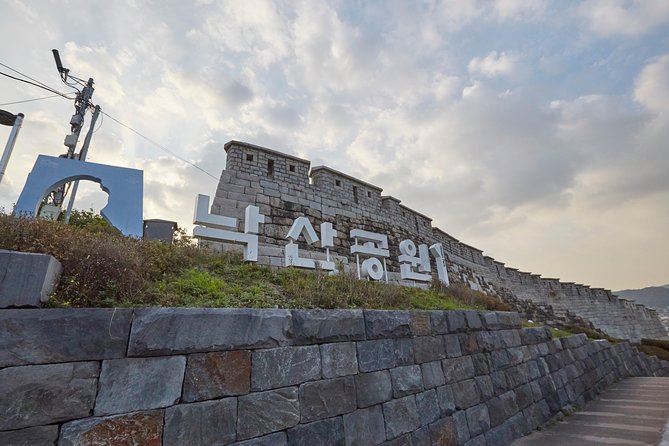
Also, there’s a smart contingency: if Bukchon Hanok Village is closed, the tour visits Namsangol Hanok Village instead. That matters if you’re traveling on a day when access is restricted or schedules shift. You still get the old-house vibe and photo-friendly lanes without losing the “traditional Seoul” part of the day.
Practical photo advice: wear shoes that handle uneven sidewalks, and don’t expect every lane to be wide. Some of the best shots are along slightly tight corridors—great visuals, but you’ll feel it in your calves.
Bugak Skyway and Bugak Palgakjeong: Panoramic Seoul Without the Hustle
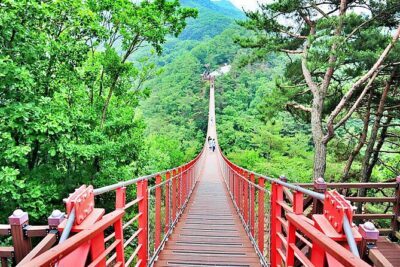
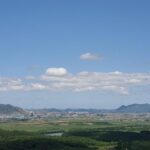
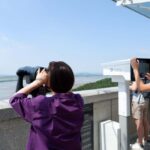
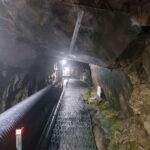
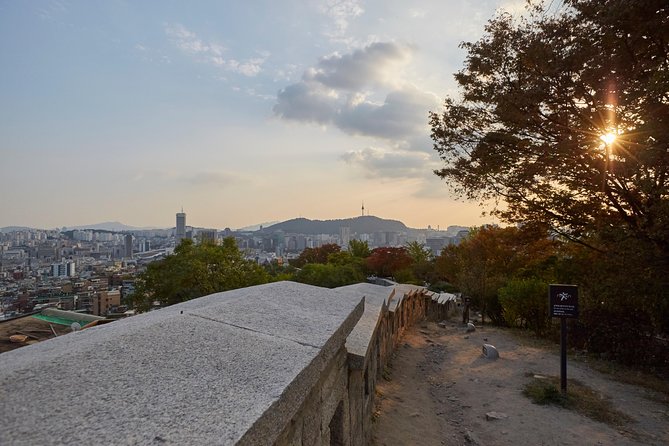
Then you switch gears to the viewpoint section: Bugak Skyway and Bugak Palgakjeong (also called Bugak Pavilion). This is where the tour stops being just cultural and becomes scenic. You get around 30 minutes for Bugak Skyway, plus about 10 minutes at Bugak Palgakjeong.
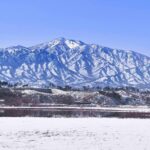
What makes this part worth your time is the contrast. Instead of being boxed in by palace walls and narrow village lanes, you get wide angles across Seoul. The pavilion sits on the slope of Bugaksan Mountain, so it’s a calmer, elevated break from street-level noise. You’ll have time to absorb the view and take photos that feel different from the usual city skyline shots.
Because you’re outdoors and walking, weather matters. The tour runs rain or shine, so dress for conditions. In colder months, bring layers, and plan for wind—viewpoints can feel harsher than you expect in a city.


Korean Ginseng Museum: Shopping With Context (So You Don’t Overbuy)
Next comes the Korean ginseng stop at the ginseng museum. You’ll usually spend about 30 minutes here, and it’s not just shopping. The guide explains ginseng’s background and what it’s used for, which helps you make better decisions in the store.
You’ll hear that ginseng is first mentioned in the Chinese text Ji Jiu Zhang during the Han dynasty, where it’s described as a herb used across many ailments. The tour also frames Korean ginseng as showing strong performance in adaptogenic properties—language you can use while you ask questions about products.
Here’s how to get value from this stop:
- Ask what form the product comes in (tea, capsule, extract) and how it’s typically used.
- Compare prices across similar categories rather than impulse-buying the most expensive package on display.
- If you’re buying gifts, check whether the shop includes options that are easy to pack.
This is one of the tour’s most practical segments. It gives you a chance to bring something home that connects to Korean culture, without needing to become a supplement expert overnight.
Gwangjang Market Drop-Off: Snack Your Way Through Seoul
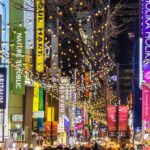
The day ends at Gwangjang Market, and that’s a smart finish. Gwangjang is known as South Korea’s first market, and it’s famous for food rather than luxury brands. That’s good news if you’re hoping to shop without paying designer prices.
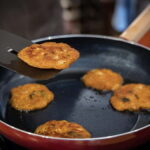
The tour drops you here so you can eat on your own. Lunch isn’t included, so plan to budget for snacks or a meal. The market is especially associated with bindaetteok (mung bean pancakes) and mayak gimbap (small seaweed rice rolls that people describe as addictive). Even if you don’t go all-in on those exact items, the point is that you’ll be close to the places where people actually queue for comfort-food cravings.
Also, the shopping here is friendly to real travel needs. You can browse without needing to commit to big purchases. If you’re returning later to Seoul, this location is also easy to use as a base for your next plan.
Tuesday and Full-Day Options: How the Route Changes the Feel
Not every day follows the same path. If you’re deciding between options, think about what you want most: palaces, viewpoints, or adding more major sights.
Tuesday route: N Seoul Tower plus Deoksugung
On Tuesday, the tour includes N Seoul Tower, but the observatory is not included. You still get the chance to experience the tower area as part of your afternoon, while keeping the focus on the traditional stops too—Bukchon Hanok Village and Deoksugung Palace with the Royal Guard ceremony.
Deoksugung is a great contrast to Gyeongbokgung. You get another palace flavor in the mix, which makes the history feel less repetitive and more complete.
Full-day route: War Memorial, Jogye Temple, Tapgol Park
The full-day version adds a much more reflective Seoul segment. You’ll have lunch on your own, then visit the War Memorial of Korea, mainly the 3rd floor United Nations Memorial Cemetery. After that you’ll go to Jogye Temple, then Tapgol Park, and finish with a drop-off at Myeongdong Cathedral.
This longer itinerary is for you if you want the “Seoul beyond postcards” side. It balances ceremony and tradition (palaces and temples) with a site tied to remembrance and world history. It’s heavier than the market stop, so if you prefer a lighter day, stick to the shorter options.
How the Guides Make the Tour Feel Smooth
This tour is led by a live English guide, and that’s one of the big reasons it scores so well. The guide doesn’t just point; they explain. That’s especially helpful at palaces and ceremonies, where the visuals are good but the meaning can be hard to catch without help.
You’ll also notice how some guides adapt the group experience. Names that come up often include Grace, Sophie, Sunny, Shin, Chloe, and Henry. People praise them for energy, clarity, and making different age groups comfortable. Some guides even use a tablet for photos, and there are guides who are proactive about taking pictures so you don’t always have to rely on strangers.
One reason I like tours with this kind of guide team: you get better questions. When you understand what you’re seeing, you stop just photographing and start noticing. That’s the difference between collecting images and actually remembering the day.
Logistics That You’ll Want to Plan For
A few details decide whether the day feels pleasant or stressful.
Meeting point timing matters. You must meet at Gyeongbokgung Palace and join before the tour starts. Joining after it begins isn’t permitted, and contacting the guide once the tour is in progress isn’t allowed. So build in a little buffer time to arrive early.
Pickup is optional and limited. Hotel pickup is available for private tour customers or selected options in central Seoul areas, typically between 7:20 AM and 8:40 AM. If you don’t have pickup, the tour recommends using the subway, which is often the fastest way to cut through Seoul traffic.
Walking is part of the deal. The tour runs rain or shine. Comfortable shoes are a must, and the route isn’t suitable for wheelchair users. Also, hanbok rental time isn’t offered, so plan to dress in regular clothes unless you’ve arranged your own rental.
Finally, rules are straightforward: no alcohol or drugs.
Who This Tour Suits Best
I think this tour fits travelers who want a structured introduction to Seoul. If it’s your first or second day and you want palaces, hanok neighborhoods, viewpoint time, and a market finish all in one go, this is efficient without feeling like a conveyor belt.
It also suits you if you like photos but get annoyed when you spend half your day figuring out logistics. Here, the transport and timing help you spend your brain on what you’re seeing instead.
I’d skip or reconsider if:
- You need slow, unstructured exploration.
- You rely on wheelchair access.
- You want a guaranteed hanbok rental moment (this tour doesn’t include time for it).
- You dislike walking outdoors when it’s cold or rainy, since it runs rain or shine.
Should You Book This Seoul Gyeongbokgung-Bukchon-Bugak-Gwangjang Tour?
Yes, if you want the best use of limited time. For around $32, you’re getting a guided palace visit with the Royal Guard ceremony, traditional village time, viewpoint breaks, ginseng museum context, and a market landing spot where you can eat right after. That’s strong value because the “hard parts” of planning—transport, sequencing, and understanding—are handled for you.
Book if you enjoy being guided and you like a clear plan. Skip it if your travel style is slow and independent, or if you’re very sensitive to rain and walking.
If you do book, do one simple thing that makes the day better: wear shoes you can walk in for hours, and carry layers for the viewpoints. The itinerary moves, but the payoff is the variety—palace ceremony, traditional lanes, wide city views, and then food at Gwangjang Market.
FAQ
How long is the Seoul Gyeongbokgung, Bukchon, and Gwangjang tour?
It runs about 4 to 9 hours depending on the option you choose and which route day you book.
What’s included in the tour price?
Entrance fees, a local guide, and transport by air-conditioned minivan or coach are included. Hotel pickup is included only if your selected option offers it.
Is the tour guide available in English?
Yes, the tour is led by a live English guide.
Is hotel pickup offered?
Hotel pickup is optional for private tour customers or selected options, with pickup in central Seoul. Pickup timing can fall between 7:20 AM and 8:40 AM depending on your confirmation details.
Does the tour run rain or shine?
Yes, it takes place rain or shine.
Is hanbok rental included?
No. Hanbok rental time is not offered.
Is the tour suitable for wheelchair users?
No, the tour is not suitable for wheelchair users.