REVIEW · NAMI ISLAND & GARDEN OF MORNING CALM DAY TRIPS
Alpaca World & Nami Island & Garden of Morning Calm One Day Tour
Book on Viator →Operated by S.A. Tour · Bookable on Viator
On a tight Seoul schedule, a full day trip like Alpaca World + Nami Island + Garden of Morning Calm feels like hitting three moods in one go: animals, classic film-land walking, then quiet flowers. I like that the day is built around real entry tickets and a guided route with an air-conditioned bus, so you’re not piecing together transport across the countryside. I also like the family-friendly mix, especially the close-up animal time at Alpaca World. The one thing to keep in mind is that this is a long day with a lot of driving between stops, so you’ll want comfortable shoes and patience.
This tour is simple on paper: round-trip transport, a professional Chinese/English-speaking guide, and entrance fees to all three attractions. It also includes free time to grab lunch on your own (not included in the price), which gives you flexibility even if your group has different tastes. Expect about 10 hours total, a maximum group size of 45, and a start from Hongik Univ. Station, so you’re easy to find before you roll out.
In This Review
- Key things to know before you go
- A day outside Seoul: how the pacing really feels
- Price and value: what $78.52 buys you
- Alpaca World: cute animals, plus more farm-life facts
- Nami Island: Winter Sonata vibes and long tree-lined walks
- Garden of Morning Calm: calm paths, seasonal flowers, and winter sounds
- Guide quality: where the day gets fun, not just efficient
- Logistics and comfort: long rides, but manageable with the right mindset
- Where this tour shines (and where it may not)
- Should you book this Seoul day trip?
- FAQ
- How long is the Alpaca World, Nami Island, and Garden of Morning Calm one-day tour?
- What stops are included in the tour?
- Is admission to the attractions included in the price?
- Is lunch included?
- What language is the guide?
- Where is the meeting point, and how big is the group?
- Is it free to cancel, and how close to the start time can I cancel?
Key things to know before you go
- Three famous stops, one efficient route: Alpaca World, Nami Island, Garden of Morning Calm, all in one guided day
- Included tickets save hassle: entrance fees are part of the package
- The day runs long: plan for time in the bus between locations, even with cool air-conditioning
- Nami Island can feel busy: it’s especially well known in winter after Winter Sonata
- Garden time is a great reset: it’s calmer and visually different from the other two stops
- Guide personality really shapes the day: multiple guides in the lineup (Alex, Mina, Yamy, Rose, Josh, Joe Park, Jesse, Katherine, Peter, Sam, Lena, James, Alvin) show up in real experiences
A day outside Seoul: how the pacing really feels
This is a 10-hour, multi-stop tour that runs from Hongik Univ. Station and returns there. That structure matters, because you’re not just visiting one place. You’re trading spontaneity for convenience: you get transport + tickets + a guide, and you lose some free wandering time.
The rhythm is basically: bus ride, attraction time, bus ride, repeat. Most people will feel the bus time, especially if you’re sensitive to long rides. On the plus side, the vehicle is air-conditioned, and the schedule gives enough in-between downtime that you don’t feel trapped constantly on your feet.
A practical move: treat the day like a “photo + stroll” outing, not a museum marathon. Wear shoes you can walk in for long paths (Nami Island and Garden of Morning Calm both involve a lot of strolling), and bring a light layer. Even in seasons that feel warm in Seoul, the countryside atmosphere can change fast.
Also note the lunch setup: there’s free time to eat, but breakfast and lunch are not included. So you should either eat something quick during that break or plan ahead for a meal you’ll enjoy nearby.
You can also read our reviews of more tours and experiences in Seoul
Price and value: what $78.52 buys you
At $78.52 per person, the deal is really about what’s included. You’re paying for:
- Air-conditioned transport (round-trip traffic is included)
- A professional Chinese/English-speaking guide
- Entrance fees for Alpaca World, Nami Island, and Garden of Morning Calm
That can be good value if you’d otherwise have to pay separately for tickets and figure out intercity transport. It’s also less tiring than DIY. For me, that’s the key: you’re not paying just for “going places,” you’re paying for the logistics to be handled.
Where the price doesn’t cover things: meals and personal spending. So budget for lunch during the free time, plus any snacks, drinks, or souvenirs you pick up along the way.
One small reality check: because this is a packed itinerary, the “effective” time at each stop can vary depending on the day’s flow. If you’re the type who wants lots of hours to linger, you may feel the squeeze at the first location. If you’re happy with a highlights-and-photos style visit, it works well.
Alpaca World: cute animals, plus more farm-life facts
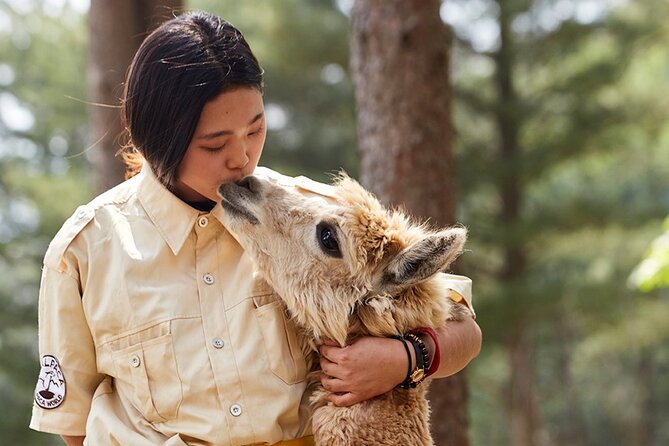
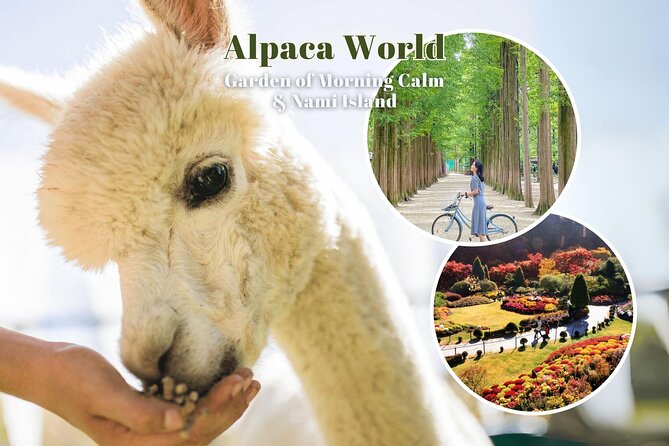
Alpaca World is your first stop, and it’s built for animal lovers. The big draw is the alpacas, and yes, feeding them is typically the moment people remember most. But what makes this stop worth it beyond the cuteness is that the site isn’t just alpacas.
You can also see squirrels, ostriches, and other farm animals. That wider mix keeps the visit lively, especially for kids who might get bored watching only one kind of creature.
You’ll also get alpaca expert explanations on-site. The tour guide part here is important: you’re not just walking around; you’re getting facts about alpacas living habits and characteristics, plus fun points that help you understand what you’re seeing. That’s how the visit stays interesting even if you’ve seen animals before.
Time is the only possible downside. The flow is structured, so after the feeding part, you might feel like you’ve covered most of what you can do. If your goal is maximum time to relax on the farm grounds, I’d keep expectations “reasonable” and plan to enjoy what’s there quickly rather than treating it like a half-day attraction.
If you’re traveling with kids, this is the stop that tends to land hardest. Alpaca feeding and animal watching give instant payoff and break up the longer bus rides nicely.
Nami Island: Winter Sonata vibes and long tree-lined walks

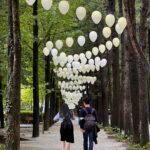
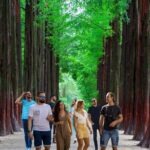
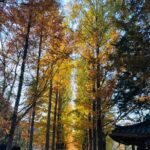
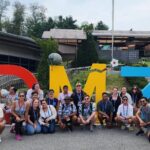
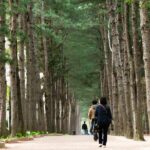
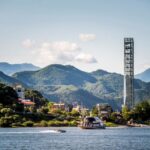
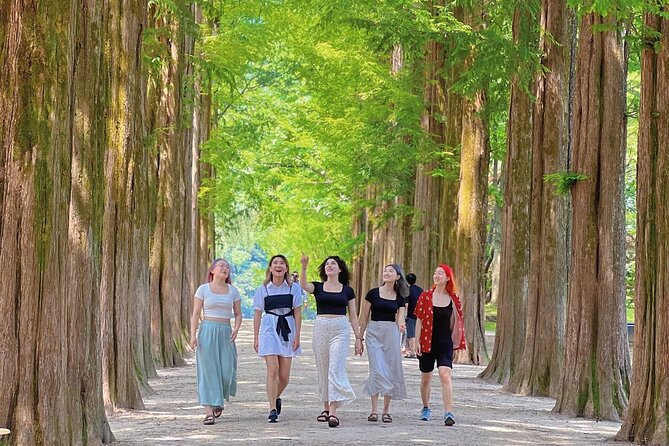
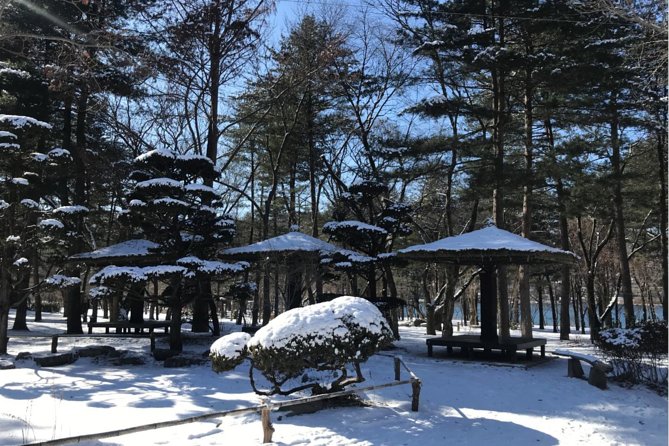
Nami Island is famous for its scenic, tree-lined roads, and it has a special cultural touch thanks to Winter Sonata, which was filmed there and boosted its popularity in winter.
From a visitor comfort angle, Nami Island works because you can walk at your own speed. There’s also photo potential everywhere: the paths and surrounding scenery are designed for easy picture-taking, and the layout encourages strolling rather than rapid touring.
The trade-off is that it can get crowded, especially in peak seasons. Crowds aren’t a dealbreaker, but they can affect how relaxed your stroll feels. If you’re picky about quiet, aim to focus on the walk itself and the photo stops you care about most.
One interesting detail that can affect your experience: there may be an optional zip line option for reaching or crossing to the island area instead of using the ferry route, and some people note it comes with an extra cost. If you’re the adventure type, that’s worth considering. If you want the simplest route, the standard ferry-style option usually keeps things straightforward.
Also, keep your energy in mind. Because the itinerary is structured, your Nami Island time may feel like the “middle push” of the day. If you can, set a goal: take your best photos, enjoy the walk, and don’t get stuck on lines too long.
Garden of Morning Calm: calm paths, seasonal flowers, and winter sounds
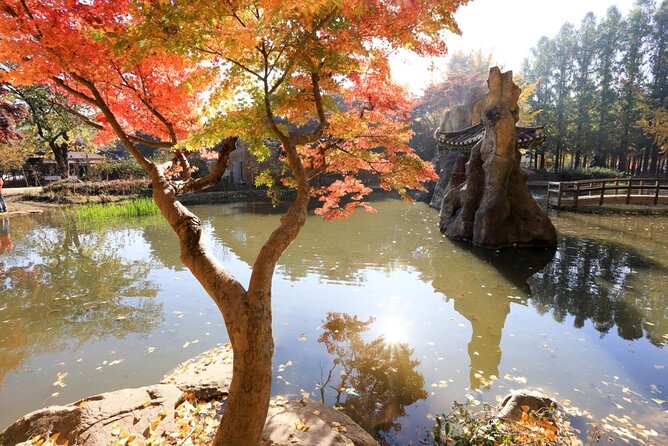
Garden of Morning Calm is your final major stop, and it’s the one that often feels like the emotional reset. Where Alpaca World is playful and Nami Island can feel busy, this garden focuses on visual calm.
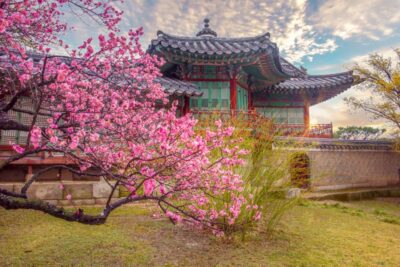
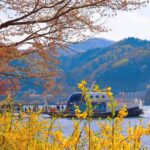
The garden is seasonal by nature. Plants that looked best in spring, summer, and fall start preparing for winter. Even the quiet parts have a theme: birds’ songs and the sound of water flowing under ice can be heard while you walk in silence.
That description matters because it tells you what kind of visit you’re getting. This isn’t a thrill-stop. It’s a slower, more reflective walk with color where the season allows it. In practical terms, you’ll get better enjoyment if you don’t rush. If you’re tired from the bus and earlier stops, this is the place where slowing down actually pays off.
One more practical point: because it’s often timed later in the day, lighting and crowd levels can shift. When the day is long, the garden timing can be a big part of why people remember the end of the trip as peaceful rather than chaotic.
If you love flowers, bring extra patience for photo moments. If you don’t love crowds, this stop is often the best place to feel like you can breathe again.
You can also read our reviews of more tours and experiences in Seoul

Guide quality: where the day gets fun, not just efficient
In a tour like this, the guide isn’t just a translator. They’re the glue that keeps the day moving and keeps you from feeling lost. The guide also affects the overall mood—especially on a schedule this full.
From real examples of guides who lead this kind of itinerary (Alex, Mina, Yamy, Rose, Josh, Joe Park, Jesse, Katherine, Peter, Sam, Lena, James, Alvin), a clear pattern shows up: guides tend to explain rules, keep the group on schedule, and add local suggestions so the day feels smoother.
A few guide-related tips I’d treat as “smart defaults”:
- Take a moment when you join the group to check you’re in the right line. Big meeting points can be confusing before the bus leaves.
- Ask about the best times for photos at each stop. A guide who understands the flow can help you avoid peak crowd moments.
- Use the bus time for questions. Since lunch isn’t included, asking where people typically eat can save you from last-minute stress.
If your main goal is to have a day that feels light and organized, the guide matters almost as much as the stops. That’s why this tour’s reputation is so tied to who’s leading it that day.
Logistics and comfort: long rides, but manageable with the right mindset
Let’s be honest: you’ll spend a meaningful chunk of the day in transit. Some accounts describe around 4.5 to 5 hours total driving time across the day. That’s not unusual for three separate attractions spread around the Seoul region.
The air-conditioned bus helps. It turns the transit into downtime instead of misery. But it won’t erase the fact that it’s a long day. You’ll want:
- Comfortable walking shoes
- A sun umbrella or hat if the weather is bright
- A phone charger if you’re serious about photos (you’ll likely take a lot)
If you have limited mobility, it’s still worth asking how your guide manages pacing. One positive takeaway is that the day can be handled with a slower rhythm for people using a walking aid, as long as you communicate needs and accept that there’s still a lot of time on the schedule.
The other thing to remember: because Alpaca World is first and Nami Island sits mid-day, fatigue can hit before the garden. If you’re the type who gets tired quickly, consider eating sooner during lunch free time rather than waiting until you feel worn out.
Where this tour shines (and where it may not)

This is a great fit if you want a fun, family-friendly day that combines animals, scenic walking, and a calmer garden finish. It’s also a strong choice if you don’t want to fight transport schedules or separate tickets.
You might consider skipping (or at least adjusting expectations) if:
- You prefer to spend lots of time in one place rather than see highlights in three
- You hate crowds and feel stressed by busy photo areas
- You’re looking for deep cultural sites or museums rather than a mix of nature and leisure
If your travel style is “see the key sights without planning every step,” this tour checks that box fast.
Should you book this Seoul day trip?
Yes, if you want an easy day outside the city that’s packed with variety and included tickets, this tour is a solid buy. The price feels fair once you factor in guided transport and entrance fees, and the final stop gives you a calmer finish after the earlier activity.
I’d book especially if you’re traveling with kids or anyone who loves animals and photos. Even if you’re an adult who doesn’t normally care about alpacas, Alpaca World is still one of those stops that breaks up the usual Seoul routine in a fun way.
If you’re sensitive to long driving time or want extra hours at Nami Island, plan for a shorter, highlights-focused visit. Bring good walking gear, expect a full schedule, and you’ll get a day that feels like Seoul visitors’ greatest hits—minus the effort.
FAQ
How long is the Alpaca World, Nami Island, and Garden of Morning Calm one-day tour?
The duration is about 10 hours.
What stops are included in the tour?
The tour visits Alpaca World, Nami Island, and the Garden of Morning Calm.
Is admission to the attractions included in the price?
Yes. Entrance fees to all three attractions are included.
Is lunch included?
No. The tour includes free time to grab lunch, but meals (breakfast/lunch/dinner) are not included.
What language is the guide?
The guide is described as professional Chinese/English-speaking.
Where is the meeting point, and how big is the group?
Meetup is at Hongik Univ. Station in Seoul, and the maximum group size is 45 travelers.
Is it free to cancel, and how close to the start time can I cancel?
Yes. You can cancel up to 24 hours in advance for a full refund.

![[Perfect Private Tour] Nami island, Petite France and Organic Strawberry Farm - From hotel pickup to Nami Island: make the most of your 4 hours](https://1.visitseoulkorea.com/wp-content/uploads/perfect-private-tour-nami-island-petite-france-and-organic-strawberry-farm-400x267.jpg)