REVIEW · DMZ TOURS
1 Day Private Full DMZ Tour in Seoul with Crystal Gondola
Book on Viator →Operated by Youus Tours Korea · Bookable on Viator
A DMZ day that actually feels manageable. This private tour in Seoul strings together the key border sites—Imjingak, the crystal gondola over the Imjin River, Dora Observatory, and the Third Tunnel—without turning your morning into a cattle-car queue. I especially like the hotel pickup (so you start moving fast) and the private pacing that keeps you away from the loudest group chaos. The main catch: it’s a long day with real walking, and early mornings start at 7:00 am.
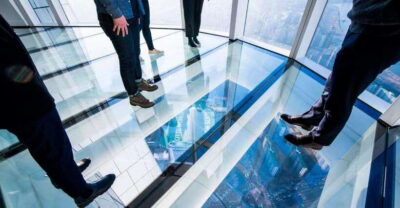
One more thing I appreciate: breakfast and bottled water are included, which matters because you’ll be on the move for hours before lunch even becomes a thought. And yes, the ride across the river is the headline—an 850-meter cable car experience over the Civilian Control Line with a transparent floor view.
I also like the human side. Guides such as Andy, David, and Lucy are praised for clear English and careful, safe driving, and they tend to handle the logistics so you can focus on what you’re seeing. Still, plan for a moderate fitness day: you’ll walk, climb a bit, and do more elevation than you might expect around the Third Tunnel area and the Gamaksan bridge portion.
In This Review
- Key highlights that make this DMZ tour worth your morning
- Private pickup and a calm, English-friendly guide day
- Morning schedule: what the 7:00 am start really means
- Imjingak Peace Park: start with the people story, not just the fences
- Crystal gondola across the Imjin: the view you’ll remember
- Dora Observatory: binocular time and border-area perspective
- Tongilchon-gil: a calmer, snack-friendly stop in the middle of weighty sights
- Third Tunnel: helmet walk + the kind of history that hits your stomach
- Gamaksan and the Chulleong Bridge: a light hike with a real thrill
- Price and value: what you pay for at $220 per person
- What to pack (and what to do) for a smoother DMZ day
- Who this DMZ tour fits best
- Should you book this private full DMZ tour with crystal gondola?
- FAQ
- What time does the tour start?
- How long is the DMZ tour?
- Is hotel pickup included?
- What meals and drinks are included?
- Are admission tickets included?
- Is lunch included?
- Do I need a passport or ID?
- Is there an airport transfer option?
Key highlights that make this DMZ tour worth your morning
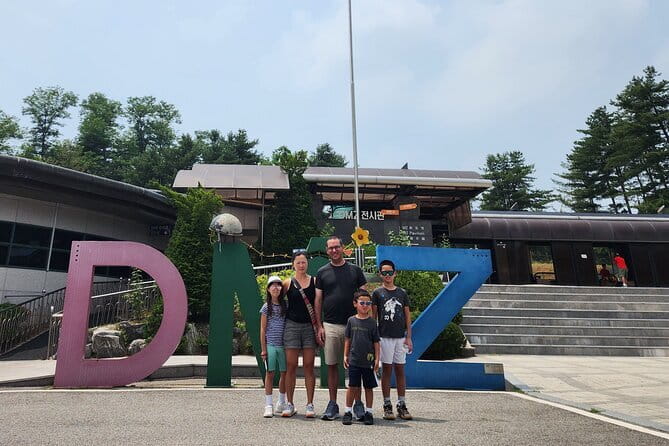
- Private van pickup in Seoul so you don’t waste time meeting a group somewhere inconvenient
- Breakfast + bottled water included to keep energy steady before the border sites
- Crystal gondola on the Imjin River (850 meters, transparent floor views) with admission included
- Dora Observatory visit for close border-area views through high-performance binoculars
- Third Tunnel entry with a helmet walk plus a short DMZ Theater video
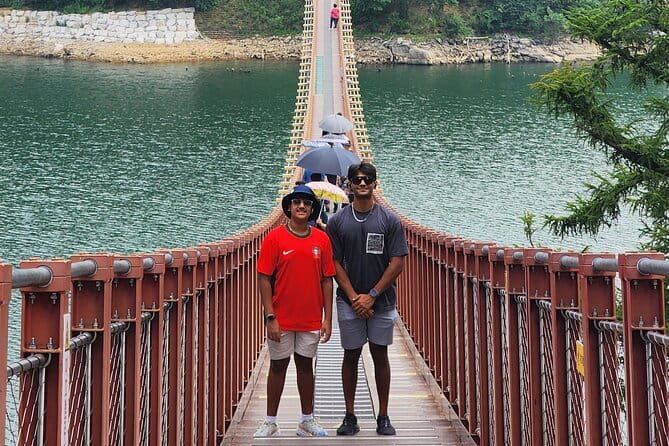
- Chulleong Bridge on Gamaksan where you get a light hike and a swaying suspension-bridge moment
Private pickup and a calm, English-friendly guide day
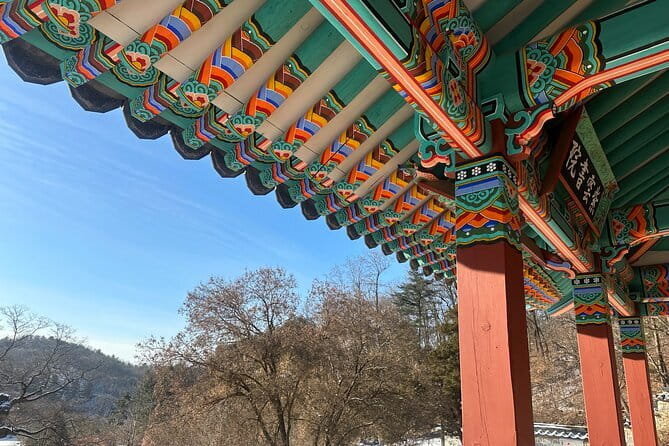
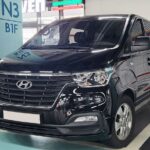
A DMZ tour can be either orderly or chaotic. This one aims for orderly. You’re in a private group with an air-conditioned vehicle, picked up directly from your hotel in Seoul and dropped off back in Seoul afterward, so you’re not spending the best part of the morning finding seats and matching bus tickets.
The guide quality is repeatedly the reason people rave about this tour. Multiple guides come up in the feedback—Andy, David, and Lucy—and they’re described as patient, communicative, and safety-minded. One helpful detail: your guide can also manage the behind-the-scenes steps like purchasing tickets and filling required DMZ forms (not something you want to scramble through while everyone else is moving).
You can also read our reviews of more private tours in Seoul

Morning schedule: what the 7:00 am start really means
The tour starts at 7:00 am, and it tends to run about 9 to 10 hours. That’s not a “quick excursion.” You’re signing up for a full day that begins before most people have finished their first coffee.
The good news is that breakfast and bottled water are included at the beginning of the journey. Bring a basic mindset: you’ll want steady energy long before lunch. If you get food-sensitive or snacky during long walks, I’d treat snacks like part of your packing plan even though the day includes places to buy food.
Imjingak Peace Park: start with the people story, not just the fences
Your first stop is Imjingak Pyeonghwa-Nuri Park, dedicated to people who left North Korea during the Korean War. It’s a strong opening because it shifts the focus from military geography to the human fallout of division.
What to expect here:
- You’ll look at war artifacts and related exhibits.
- Then you’ll head to the Bridge of Freedom, which is used in connection with the liberation-related story tied to the Korean War era.
Why this stop matters: it gives context for why the later DMZ sights feel so heavy. Without it, you might treat the day like sightseeing. With it, you’re more likely to understand what you’re looking at and why access is so controlled.
A practical consideration: this is still a park visit. If you hate walking around in the sun, dress smart. If you’re the kind of person who likes reading interpretive panels and artifacts, you’ll probably appreciate this stop more than you expect.
Crystal gondola across the Imjin: the view you’ll remember

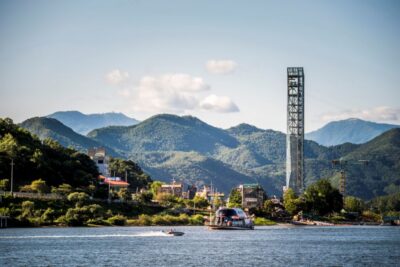
Next up is the signature “wow” moment: a crystal cable car ride across the Imjin River, spanning the Civilian Control Line. The itinerary calls out an 850-meter crossing, and the floor includes transparent sections for a view straight down.
A few smart expectations:
- Admission for the gondola is included in the tour.
- The walkways and platforms around the river viewpoints can feel busy when tour groups funnel through, even if you’re in a private vehicle for transport.
Why it works: the DMZ is not just about staring at a distant border. This ride turns it into a moment where you can feel the separation—literally—while still getting panoramic views.
Drawback to plan for: if heights make you nervous, that transparent floor element is the one moment you should mentally prepare for. Also, it’s usually not a “sit and relax” portion. You’re moving through checkpoints and boarding steps as the day keeps flowing.
Dora Observatory: binocular time and border-area perspective
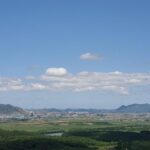
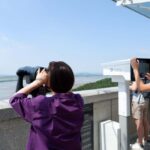
Then you reach Dora Observatory, a major viewpoint where you can see North Korean villages and the city of Kaesong from a controlled vantage point. The site is near the border and set up with high-performance binoculars, which is why so many people find this stop so compelling.
What you’ll get from this stop:
- Up-close viewing opportunities compared with typical sightseeing photos.
- A clearer sense of scale—how close things feel when you’re standing where access is permitted.
The emotional tone here tends to be serious, and that’s appropriate. This isn’t a “shopping mall view” situation. It’s a place designed to make distance and division feel real.
A practical note: expect crowds at the observatory area itself. Your guide can help keep you organized around the flow, but you won’t have a totally private viewing platform. The value is that you’re there as part of a planned day, not lost in a random line.
You can also read our reviews of more tours and experiences in Seoul
Tongilchon-gil: a calmer, snack-friendly stop in the middle of weighty sights
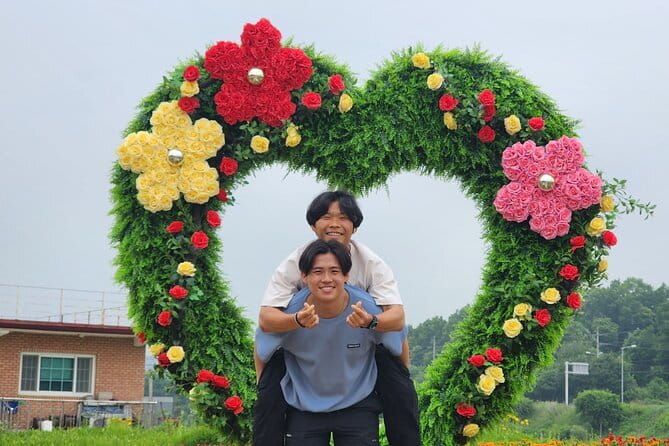
After the big border viewpoints, you’ll head to Tongilchon-gil, which includes the Unification Village area. This stop is more about food and small finds than it is about military themes.
You can expect:
- Time to walk around and explore local specialties.
- A focus on bean-based treats and snacks, including desserts made from local specialties.
Why this stop earns its spot: it breaks the rhythm. Your brain needs a reset between heavy DMZ segments. Also, you’re likely to be walking a lot that day, so a snack stop that doesn’t feel like a rushed detour is a genuine benefit.
Possible consideration: the “no-pre-booking” detail is mentioned in the itinerary notes, so if you’re hoping for specific timing around meals, don’t assume this stop will function like a restaurant reservation. It’s better seen as an opportunity to snack, not a guaranteed full meal solution.
Third Tunnel: helmet walk + the kind of history that hits your stomach
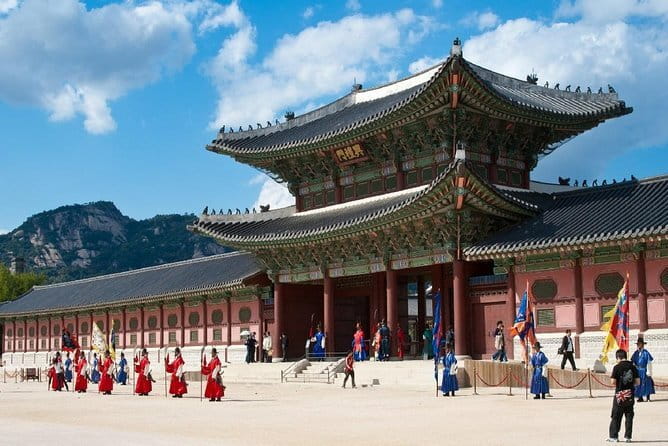
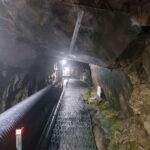
The Third Tunnel stop is one of the most concrete experiences on the itinerary. You’ll put on a helmet and walk through the tunnel area. There’s also a DMZ Theater video briefing to help connect what you’re seeing to the larger situation.
Why it’s memorable:
- It’s physical, not just visual. You’re inside the structure, not simply looking at it.
- The helmet requirement signals that you’re getting a guided, controlled access experience.
This is also where you should plan for movement and some elevation. One piece of advice from the real-world perspective shared in the feedback: wear good shoes with grip. People also mention that there’s a decent amount of walking during this portion, and the Third Tunnel area can feel tougher than you’d guess.
If you’re prone to claustrophobia, consider how you feel about enclosed spaces and low-clearance history experiences. The tunnel walkthrough is the point. It’s also the moment that could feel most uncomfortable for some people.
Gamaksan and the Chulleong Bridge: a light hike with a real thrill
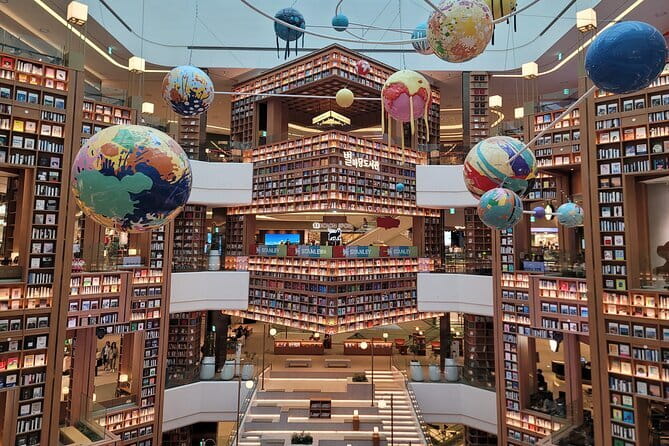
Finally, you’ll visit Gamaksan Chulleong Bridge, including the iconic Chulleong Bridge experience. The itinerary notes that Chulleong means swaying, and you can feel that suspension-bridge thrill while crossing.
This is a lighter, fun-harder balance at the end of the day:
- It’s described as a light hiking adventure.
- You’ll get movement and views without the long, exhausting trek you might be imagining.
Why this stop is smart: after hours of structured border history, it gives you fresh air and a body reset. It also breaks up the monotone pacing so the day ends with something memorable on a different sensory level.
Practical consideration: because it’s a suspension bridge and you’ll be walking to reach it, grip matters again. If it’s hot or humid, take water seriously—especially since you’ll already have spent the day moving.
Price and value: what you pay for at $220 per person
At $220 per person, this is not a budget DMZ day. The value comes from what’s bundled and from the private nature of the experience.
From the included items, you get:
- Direct hotel pickup and drop-off within Seoul city
- Air-conditioned vehicle
- Breakfast and bottled water
- All fees and taxes
- All tickets and admission fees fully included
You’re also paying for time. Instead of spending your morning figuring out transport to a meeting point, you’re picked up and driven between stops in a planned route.
What’s not included:
- Lunch
There’s also an optional add-on: Incheon Airport pickup/drop-off for $50 each way.
My straight advice on value: this tour makes more sense if you want a true private day with fewer hassles and you value having the guide handle details (tickets, forms, pacing). If you’re happy with big-group bus tours and don’t mind juggling logistics, you might find cheaper options. But if you want the day to feel controlled and calm, $220 can be fair.
What to pack (and what to do) for a smoother DMZ day
This tour works best when you arrive ready for long hours and controlled access.
Based on the practical tips shared in the feedback, here’s what helps most:
- Bring your passport (DMZ checkpoints require identification; at least US visitors are explicitly advised to bring a passport).
- Wear comfortable shoes with good grip, especially for the tunnel and bridge portions.
- Consider packing light snacks like granola bars. Even with food opportunities during the day, it can still be long, and walking time can surprise you.
- Dress for heat. One feedback note mentions it being brutally hot, and the tour still includes trekking/walking—so breathable layers help.
Also: you’ll need your guide’s instructions for any paperwork and check-in steps. The smoother your cooperation, the smoother your day.
Who this DMZ tour fits best
This is a strong match if you:
- Want a private DMZ day to avoid crowded group bus energy
- Prefer an English-speaking guide who can explain what you’re seeing and keep you on schedule
- Like structure but don’t want to feel rushed at each stop
It also suits couples, small families, and anyone who wants the big DMZ names covered—Imjingak, Dora Observatory, the Third Tunnel, and the Chulleong Bridge portion.
If you hate early starts, walking-heavy days, or enclosed spaces like tunnels, you might think twice. You can still enjoy the story, but the physical parts are part of the experience.
Should you book this private full DMZ tour with crystal gondola?
I’d book this if you want a full DMZ highlight day that feels organized, guided, and less hectic. The private pickup in Seoul, included breakfast and water, and fully covered admission fees are the backbone of the value. The crystal gondola and the Third Tunnel are the two moments that tend to leave the biggest impression, and your guide’s help with timing and logistics makes those moments less stressful.
I’d skip or reconsider if you’re sensitive to long days, have height or tunnel discomfort, or you only want a quick view without walking. In that case, look for a shorter or less physical option.
If your goal is to see the major sites in one shot—with a calm plan and a guide like Andy, David, or Lucy handling the heavy lifting—you’re choosing a format built for that.
FAQ
What time does the tour start?
The start time is 7:00 am.
How long is the DMZ tour?
It runs about 9 to 10 hours.
Is hotel pickup included?
Yes. Direct pickup in Seoul city is included, and you’re also dropped off in Seoul afterward.
What meals and drinks are included?
Breakfast is included at the beginning of the journey, and bottled water is provided.
Are admission tickets included?
Yes. All fees and taxes are included, and tickets and admission fees are fully covered in the tour cost.
Is lunch included?
No, lunch isn’t included.
Do I need a passport or ID?
DMZ checkpoints require identification. A passport is explicitly mentioned for visitors from the USA, so bring it.
Is there an airport transfer option?
Yes. Incheon Airport pickup/drop-off is available for $50 each way.