REVIEW · COOKING CLASSES
K-food cooking Japchae Mandu Tteokbokki & Fishcake
Book on Viator →Operated by sunnysdiningbz · Bookable on Viator
Korean cooking gets real when you’re holding the pan. This hands-on Seoul class has you make four crowd-pleasers in one session: Japchae, Tteokbokki, Mandu, and fishcake, plus seasonal Korean desserts. I especially like how everything is set up and paced so you’re not stuck figuring out basics, and I like that you also get a market walkthrough right afterward to see what to buy next.
One consideration: it starts in the early evening (5:30 pm) and runs about two hours, so if you’re planning a late-night Seoul schedule, you’ll want to keep this one as your anchor.
In This Review
- Quick Highlights I’d Plan Around
- Four Korean Comfort Foods, One Fun Plan in Mapo-gu
- What You’ll Actually Cook: Japchae, Tteokbokki, Mandu, and Fishcake
- Japchae: a noodle dish that teaches seasoning balance
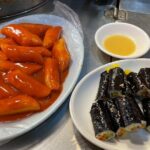
- Tteokbokki: the spicy, sticky crowd-pleaser
- Mandu: dumplings that make you feel competent fast
- Fishcake: a quiet star on Korean tables
- The Dessert Slot: Yakgwa and More, Based on Season
- Meal Time: Eat What You Made (and Learn While You’re Not Rushing)
- Studio to Indoor Supermarket: The 30-Minute Market Tour That Makes Shopping Easier
- Why this market stop is high value
- Tax refund moment with your passport
- Price and Value: Is $81 Worth It?
- Timing, Location, and Group Size: How This Fits Your Evening
- Alcohol, What’s Included, and What to Bring
- Sundays Matter: When the Indoor Market Tour Isn’t Held
- Who This Class Is Best For
- Should You Book This Korean Cooking Class?
- FAQ
- What dishes do I make in the class?
- Are alcoholic beverages included?
- How long is the experience?
- What time does it start?
- Is there a market tour after cooking?
- Is the market tour held every day?
- What desserts are included?
- Is the group large?
- What’s required for the tax refund?
Quick Highlights I’d Plan Around
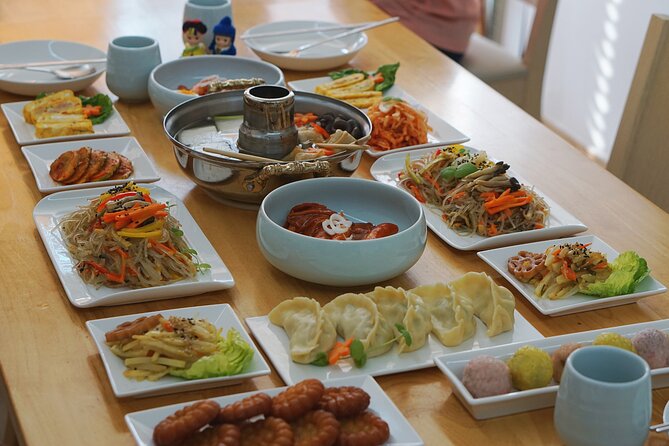
- Four dishes at once: Japchae, Tteokbokki, Mandu, and fishcake, cooked in the same class.
- Seasonal dessert tasting: options can include yakgwa, wind rice cake, and sesame rice cake.
- Photo-ready table time: you can set up your Korean table and film/post your cooking moment.
- Indoor supermarket tour after eating: about 30 minutes across four floors, plus kimchi fridge spotting.
- Shopping support and tax refund tips: guidance for snacks/seasonings, and a fast tax refund on qualifying purchases with your passport.
- Small group: capped at 6 travelers, so questions are easy and the teacher can actually help.
Four Korean Comfort Foods, One Fun Plan in Mapo-gu
If your goal in Seoul is to eat well and learn how to recreate Korean favorites at home, this is a smart way to spend an evening. You’re not just watching food happen. You’re doing the cutting, mixing, shaping, and cooking, then sitting down to eat what you made with the explanations that help the food make sense.
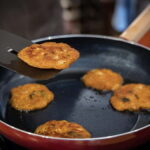
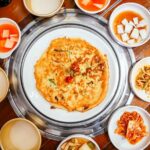
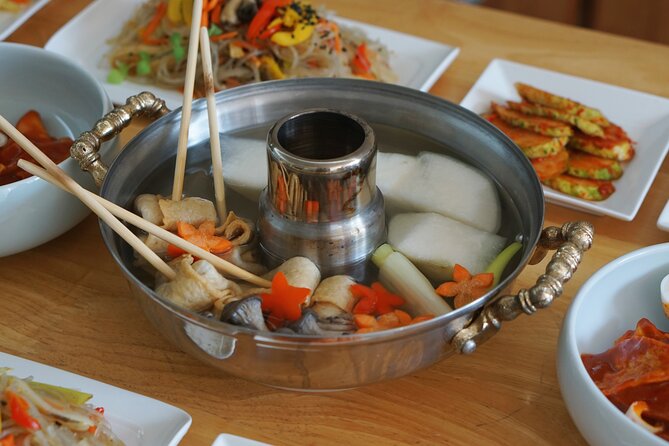
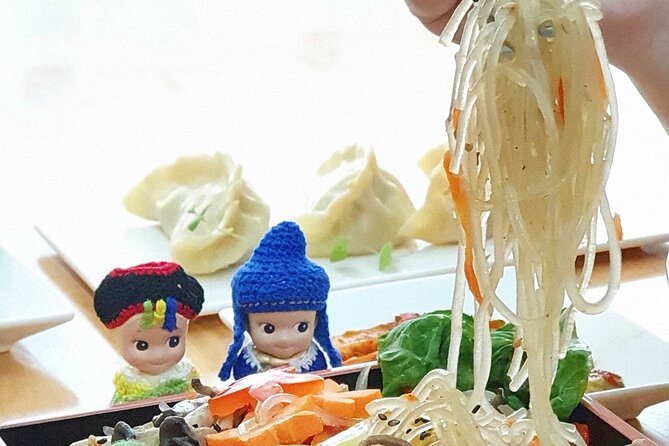
What makes this class feel practical is the mix of “get it done” cooking and “know what you’re tasting” context. You’ll cook Japchae (stir-fried glass noodles), Tteokbokki (spicy rice cakes), Mandu (dumplings), and fishcake (a common Korean side and comfort food). Then you’ll add seasonal desserts, which is where the experience shifts from dinner-making to something more like a mini food tour.
The group size is also a big deal. With a maximum of 6 people, you’re more likely to get real help instead of waving your hands while the instructor moves on.
You can also read our reviews of more food & drink experiences in Seoul
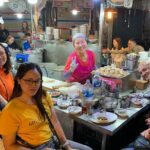
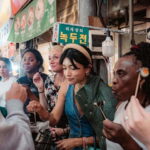
What You’ll Actually Cook: Japchae, Tteokbokki, Mandu, and Fishcake
This is billed as making four representative Korean foods in one go, and that’s exactly what it feels like. Each dish is distinct enough that you don’t get bored, but they’re all approachable enough that you can realistically finish and eat during the session.
Japchae: a noodle dish that teaches seasoning balance
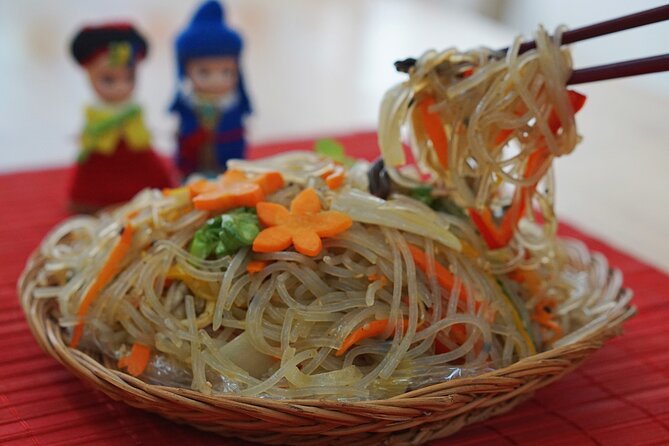
Japchae is all about texture and seasoning. You’ll be working with glass noodles and mixing them into a stir-fry-style dish. The biggest payoff for you isn’t just eating it—it’s learning how Korean flavor works when it’s layered, not one-note. You’ll taste your own version and get explanations that help you understand what makes it feel right.
Tteokbokki: the spicy, sticky crowd-pleaser
Tteokbokki is the one many people come to Korea wanting to try. In class, it’s also a lesson in how the dish thickens and clings—those rice cakes want to absorb flavor as the sauce reduces. If you like food that grabs your spoon and won’t let go, you’ll understand why this is so popular after you make it yourself.
Mandu: dumplings that make you feel competent fast
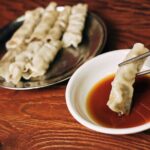
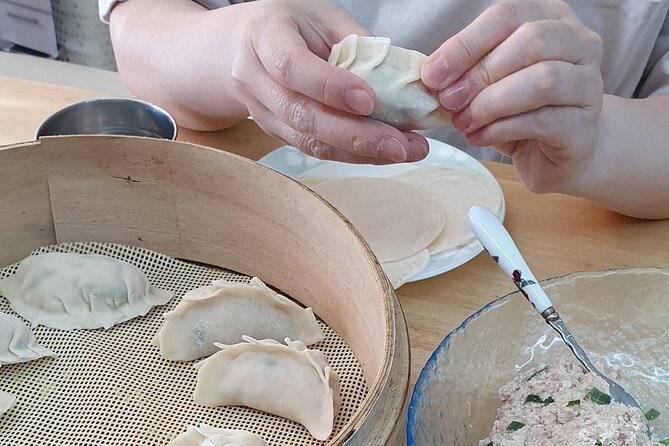
Mandu can sound intimidating, but the class format makes it manageable. Dumplings teach you a lot quickly: the idea of filling vs. wrapper, portioning, and cooking until everything comes together. Even if you don’t nail the “perfect” shape, you’ll still learn the core method—and you’ll be able to cook again later.
You can also read our reviews of more tours and experiences in Seoul

Fishcake: a quiet star on Korean tables
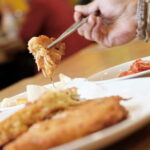
Fishcake (often found as oval-ish slices or small pieces in Korean cooking) shows up in many home-style meals. Here, it’s part of your four-dish lineup, so you’re learning a component of Korean comfort food that you might not know how to reproduce yet. For many people, this is the dish they don’t expect to love as much as they do.
The Dessert Slot: Yakgwa and More, Based on Season
Korean cooking classes often stop at the meal. This one also includes seasonal desserts, so your evening ends with something sweet instead of feeling like you rushed out right after dinner.
The dessert options can vary, but you might get classics like yakgwa, wind rice cake, or sesame rice cake. I like this approach because it gives you a broader picture of Korean food—not just savory staples. And since the types can change with season, it’s also a reminder that Korean dessert choices aren’t random. They’re tied to what’s available and what’s traditionally prepared.
You’ll taste the desserts and hear explanations about them, including background and history. That helps you talk about the food later, not just eat it.
Meal Time: Eat What You Made (and Learn While You’re Not Rushing)
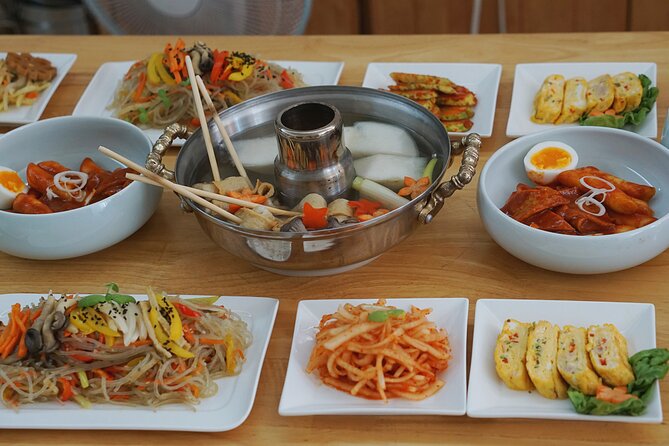
After cooking, you set up your Korean table and sit down to enjoy the food together. This part matters more than it sounds. Cooking classes can become assembly-line experiences where you spend 90 minutes “doing stuff” and then barely taste what you made.
Here, the format is meal-first friendly. You’re eating the same dishes you cooked, and you’re listening as the teacher explains what you’re tasting. That is what turns a recipe into something you can repeat.
You’ll also get a chance to film carefully and take photos once your table looks right. That’s useful for two reasons: it helps you remember the setup, and it makes the experience feel shareable without feeling fake.
Studio to Indoor Supermarket: The 30-Minute Market Tour That Makes Shopping Easier
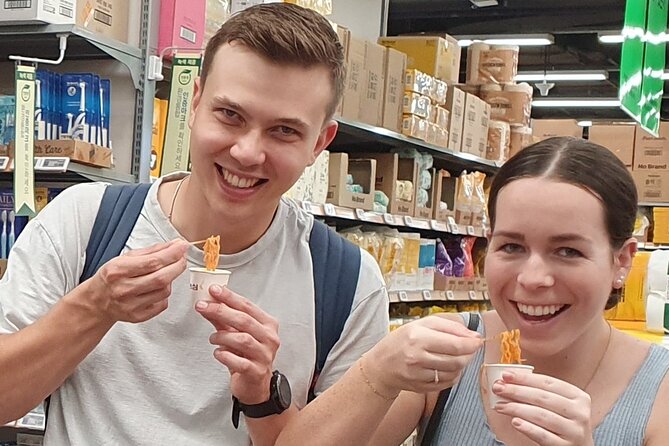
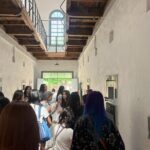
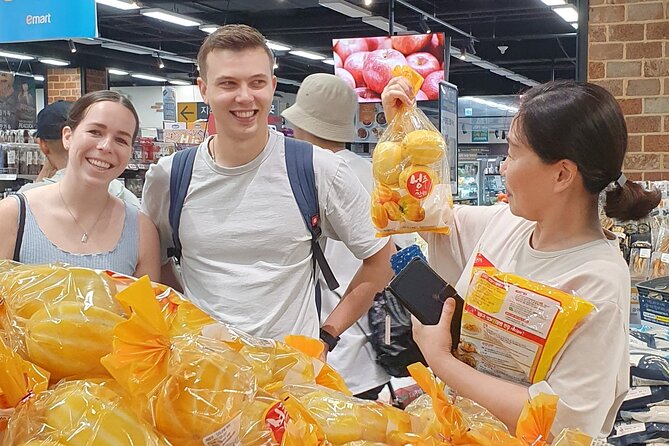
Once you finish eating, you’ll head to an indoor supermarket located right across the street from the studio. You get a four-floor tour for about 30 minutes, which is short enough to stay fun but long enough to actually help your planning.
This isn’t a vague “walk around and look.” The tour focuses on groceries and snacks you’ll recognize from Korean cooking. You’ll see a wide range of products, and you’ll also spot large kimchi refrigerators used by Koreans—so you get a sense of how seriously people treat fermented food storage.
Why this market stop is high value
I like market tours like this because they solve a real problem: what do you buy when you’re back home? The class gives you technique, but shopping gives you ingredients, seasoning, and the little “finishing” items that make your home version taste like Korea.
You’ll get help choosing items if you want to buy K-snacks or a lot of seasonings. That’s practical. Korean cooking often depends on sauces, pastes, and specific packaged flavors. Without guidance, it’s easy to waste money on ingredients you can’t use.
Tax refund moment with your passport
There’s also a tax refund process you can do immediately for purchases over 30,000 won including VAT if you bring your passport. You also watch the purchase process of the used materials, then get the refund. If you like to shop when the moment is right, this part makes the class feel like it pays you back twice: once through knowledge, and again through savings.
Price and Value: Is $81 Worth It?
At $81 per person for about two hours, this sits in the “you’re paying for instruction and ingredients” category. The included items are the key: all materials, tools, and packaging are part of the price. That matters because DIY cooking classes often sneak those costs onto you later.
You’re also getting three things at once:
- Hands-on cooking of four distinct dishes (not just one or two).
- Seasonal dessert tasting with explanations.
- A market tour right afterward with practical shopping support and a quick tax refund option for qualifying purchases.
If you plan to buy Korean snacks/seasonings anyway, the market portion can make the value much stronger. If you’re the type who likes to bring home ingredients you can actually use, this format makes it easier to shop with confidence rather than guessing.
The main tradeoff is time. Starting at 5:30 pm, it may not fit every itinerary. But if you’re in Seoul in the evening and want a structured, food-focused plan, the value is solid.
Timing, Location, and Group Size: How This Fits Your Evening
The class starts at 5:30 pm and runs about 2 hours, ending back at the meeting point. The meeting point is at 199 Baekbeom-ro, Mapo-gu, Seoul. It’s also described as near public transportation, which is helpful because Mapo-gu can involve a bit of walking depending on where you’re staying.
The small group size (up to 6) changes the vibe. You’ll have time for questions, and you’re less likely to feel like you’re being rushed through a checklist. It’s also a calmer experience overall, based on how the class is described—everything is ready to go, and the teacher keeps things steady.
Alcohol, What’s Included, and What to Bring
Alcoholic beverages aren’t included, so if you want drinks, plan on handling that separately.
Everything you need for cooking—materials, tools, and packaging—is included. That’s a relief because Korean cooking classes can require specialty tools or ingredients, and you don’t want that cost to appear at the end.
If you want the tax refund, bring your passport. Also, since there’s a market tour and you may want to buy snack items and seasonings, it’s smart to bring a method for carrying purchases (a small tote helps).
Sundays Matter: When the Indoor Market Tour Isn’t Held
The indoor supermarket tour is not held on the 2nd and 4th Sunday of the month, and the experience notes that on those days there is no tour. So if your Seoul calendar includes one of those Sundays, double-check the day before you commit.
If you’re flexible, you’ll likely get the full experience: cook, eat, dessert, then market tour.
Who This Class Is Best For
This is a great fit if you:
- Want a hands-on Seoul activity that ends with a meal you helped make
- Like the idea of cooking multiple Korean staples in one evening
- Want shopping support for ingredients and seasonings
- Appreciate seasonal food variety (dessert options change)
It’s also a good option for couples or solo travelers because small groups make it easier to talk with the instructor.
Children: it’s listed for children 10 and above, with an exception that younger kids may join if accompanied by a guardian.
Should You Book This Korean Cooking Class?
Book it if you want an evening in Seoul that combines real cooking skills with practical food shopping. The four-dish format is the big draw: you’ll leave with a sense of how different Korean flavors work, not just one recipe. I also like the fact that the market stop is close and timed right after you eat, so ingredients feel relevant, not random.
Skip it only if your schedule can’t handle a 5:30 pm start or if you’re visiting on a 2nd or 4th Sunday, when the market component isn’t running. Also, if you already plan to cook at home and know you won’t buy any Korean seasonings or snacks, the market value drops a bit.
FAQ
What dishes do I make in the class?
You make four Korean dishes: Japchae, Tteokbokki, Mandu, and fishcake, all in the same session.
Are alcoholic beverages included?
No. Alcoholic beverages are not included.
How long is the experience?
It’s listed at around 2 hours.
What time does it start?
The start time is 5:30 pm.
Is there a market tour after cooking?
Yes. After the meal, you’ll do an indoor supermarket tour for about 30 minutes across four floors right across the street.
Is the market tour held every day?
No. The experience notes that the 2nd and 4th Sunday of each month are closed, so there is no market tour.
What desserts are included?
Seasonal Korean desserts are provided, such as yakgwa, wind rice cake, and sesame rice cake. The exact options can vary by season.
Is the group large?
No. The class has a maximum of 6 travelers.
What’s required for the tax refund?
If you bring your passport, you can get a tax refund immediately for purchases over 30,000 won including VAT after seeing the purchase process of the used materials.
![Private Seoul Wall Trekking [Inwangsan, Bugaksan, Naksan Park, N-Seoul Tower] - How the route works: Inwangsan to Bugaksan to Naksan to Namsan](https://1.visitseoulkorea.com/wp-content/uploads/private-seoul-wall-trekking-inwangsan-bugaksan-naksan-park-n-seoul-tower-400x267.jpg)