REVIEW · FOOD
Seoul: The Biggest Sea-food Noryangjin Market Tour
Book on GetYourGuide →Operated by Korea Guide Tour · Bookable on GetYourGuide
Fish markets are loud, raw, and real. This Noryangjin tour turns that energy into a clear seafood lesson with stories you can actually use. I especially like the focus on fresh seafood you can see, smell, and understand, and the way guides explain the Korean habits behind what ends up on a plate. One thing to plan for: it’s a working market, so expect standing, crowds, and a strong fishy atmosphere.
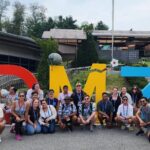
You’ll go beyond aimless wandering. Your guide walks you through the layout, explains what you’re looking at, and points out seafood ingredients that feel unfamiliar if you don’t eat them at home. Guides such as Sophie, Joy, Sally, Sujin, and Steve are named by past participants for being friendly, organized, and good at translating market life into something you can follow.
At the end, you don’t just watch seafood being sold. You eat a meal prepared with market catches, including seasonal assorted sashimi and spicy fish stew, which makes the whole 2 hours feel like more than sightseeing. The price is $110 per person for a short, small-group format, so the value comes from the guided food education plus lunch, not from a long shopping spree.
In This Review
- Key highlights you’ll feel right away
- Noryangjin Is a Real Engine, Not a Photo Stop
- Meeting at Noryangjin Station (Exit 7) and What to Expect in 2 Hours
- Your Guide’s Seafood Lesson: Layout First, Stories Second
- Watching a Vendor Prep Fish: The Filleting Stop That Changes How You See Seafood
- Lunch Included: Seasonal Sashimi and Spicy Fish Stew
- Price and Value: Is $110 for 2 Hours Reasonable?
- What I’d Consider Before Booking
- Who This Noryangjin Tour Suits Best
- Quick Practical Tips so You Enjoy the Full 2 Hours
- Should You Book This Noryangjin Market Tour?
- FAQ
- Where do I meet for the tour?
- How long is the Noryangjin seafood market tour?
- What’s included in the price?
- Is the tour guided in English?
- What is the group size limit?
- Is the tour wheelchair accessible?
- Can I join if I have allergies?
- What happens if the tour cancels due to low bookings?
Key highlights you’ll feel right away
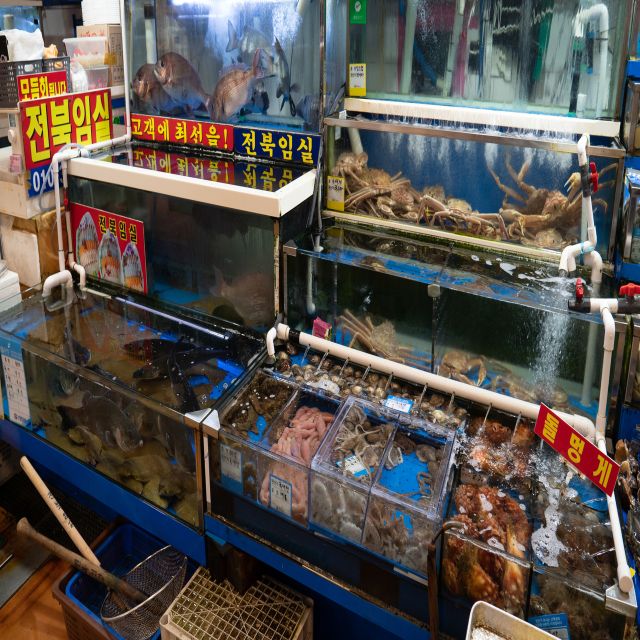
- Working market context: learn how Noryangjin moves huge volume (250 to 300 tons daily)
- English-led seafood stories: understand what Koreans eat and why their choices developed
- Filleting observation: watch fresh fish cut and prepped by a trusted vendor
- Hands-on market dining: eat seafood in the same everyday style Koreans enjoy
- Small-group pacing: limited to 10 participants, so questions don’t get lost
Noryangjin Is a Real Engine, Not a Photo Stop
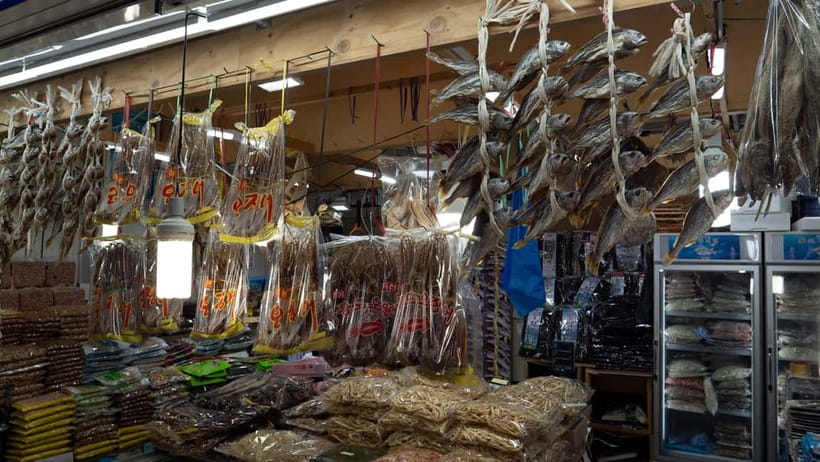
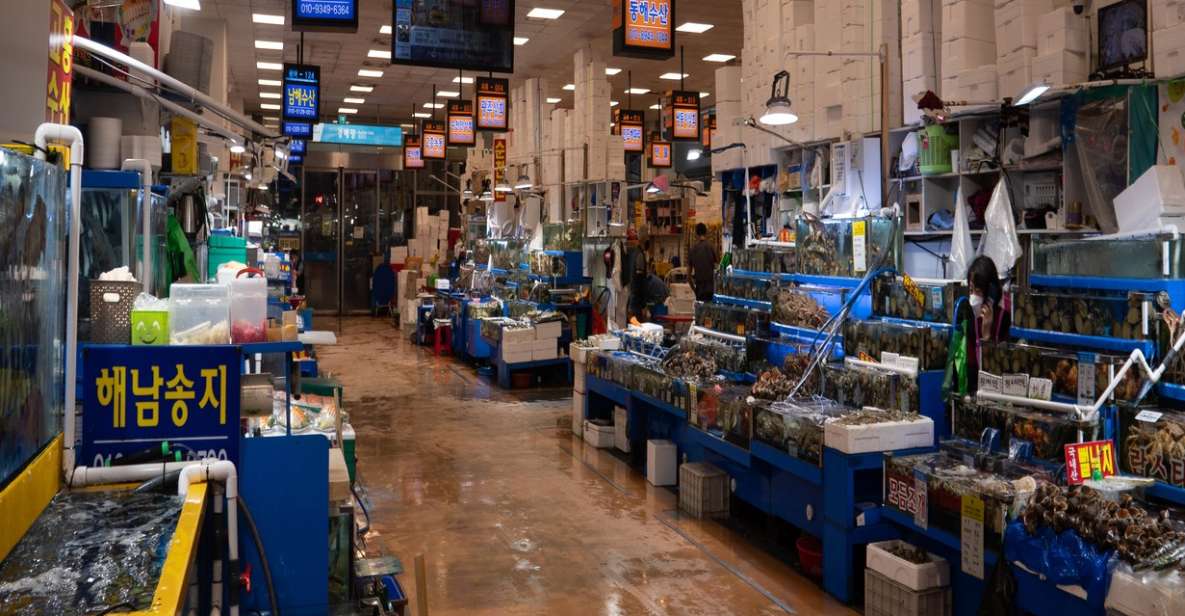
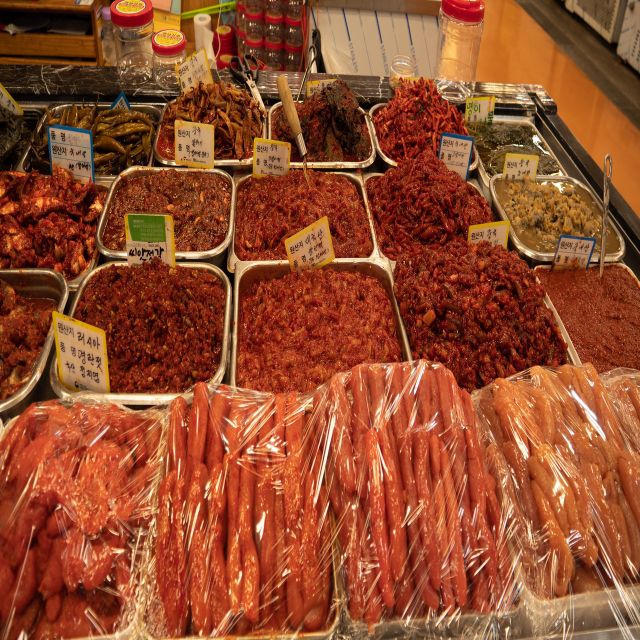
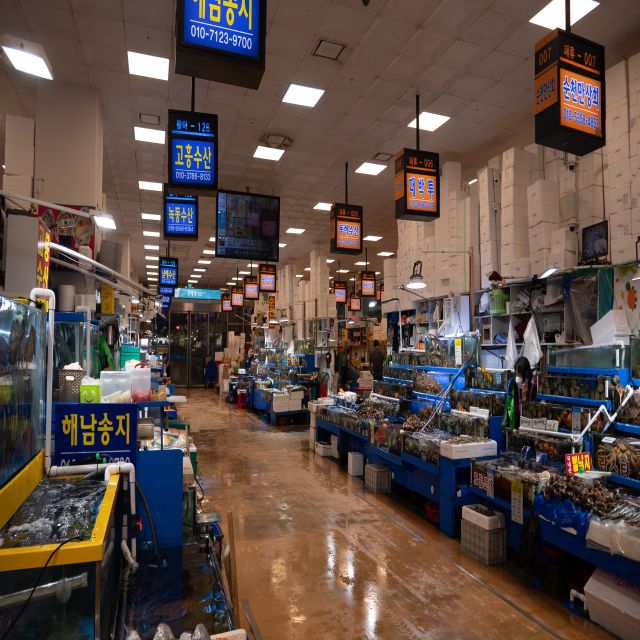
Noryangjin Fish Market in Seoul isn’t themed or staged. It’s a working marketplace, and that matters because your guide can explain what you’re seeing in practical terms, not just “this is interesting.” The market handles about 250 to 300 tons of products every day, which gives you a sense of the scale behind the smells, the bins of ice, and the fast decisions made by vendors.
What makes this tour smart is the way it connects seafood to daily Korean life. You’re not only looking at fish—you’re learning how different seafood ends up being bought, prepared, and eaten. That context helps you avoid the common mistake of treating the market like a maze of random seafood.
You can also read our reviews of more food & drink experiences in Seoul
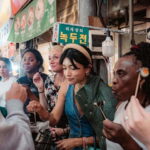
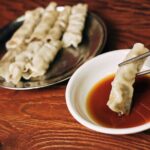
Meeting at Noryangjin Station (Exit 7) and What to Expect in 2 Hours
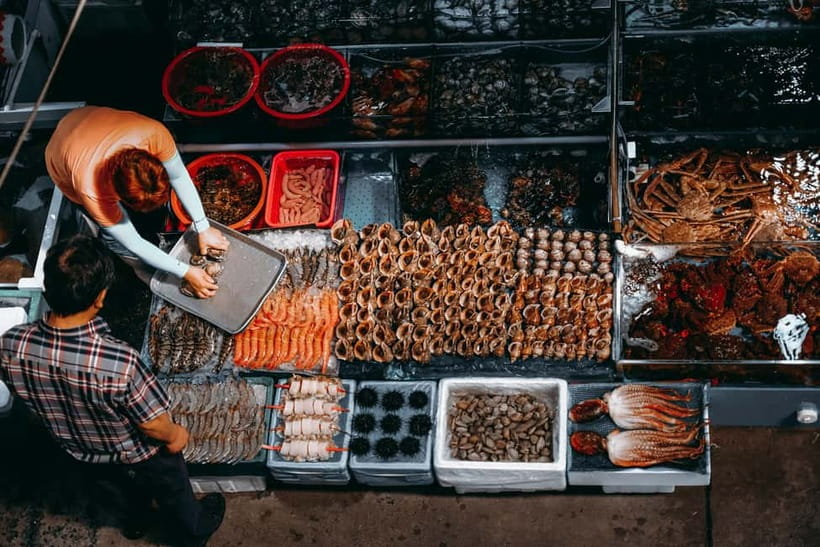
You meet at Exit 7 of Noryangjin Station, and the whole experience runs for about 2 hours with an English-speaking guide. The group stays small (up to 10), which changes the vibe. You’re more able to ask questions, and you’re less likely to get left behind while people stop to stare at something shiny or unusual.
Because it’s a fish market, you should come prepared to walk. One participant even suggested wear waterproof shoes if possible because the floor can be slippery or damp near where fish handling happens. If you hate standing in crowded places, adjust your expectations now: this is a food-and-sight tour, not a sit-down show.
Accessibility is planned for wheelchair users, since the tour is listed as wheelchair accessible. Still, you’ll be in a working market environment, so your best bet is to go with a flexible, slow-and-careful mindset and be ready for uneven areas.
Your Guide’s Seafood Lesson: Layout First, Stories Second
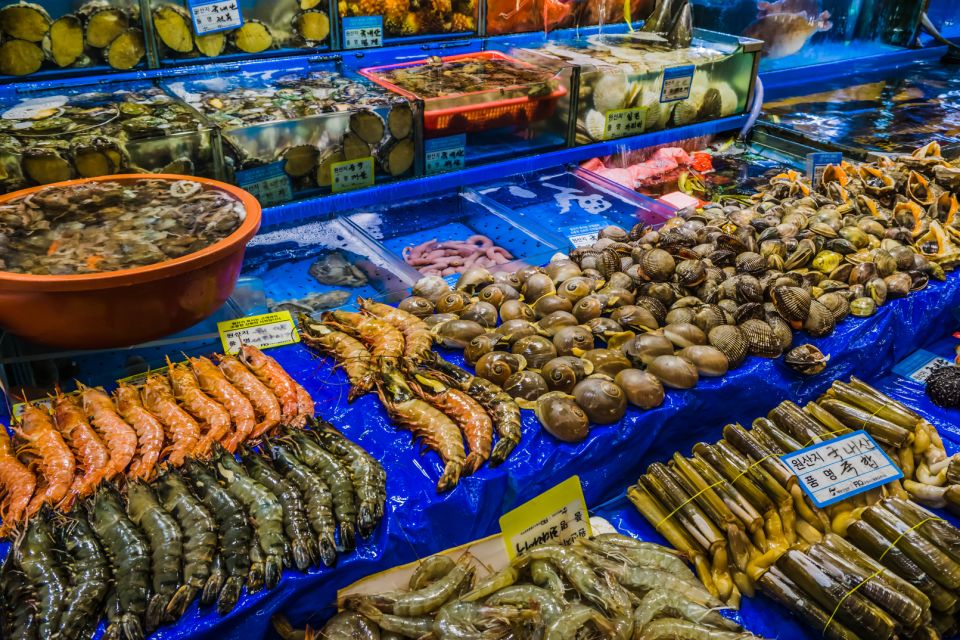
Instead of simply drifting through stalls, you’ll get a quick orientation to how the market works. Your guide introduces the overall layout and the atmosphere, so you can start reading the place instead of just reacting to it. That’s a big deal at Noryangjin, because it can feel overwhelming fast.
Then the tour shifts into seafood education with a cultural angle. The focus is on ingredients that are unique or unfamiliar outside Korea, plus the stories behind them. You’ll learn what kinds of seafood Koreans commonly eat and how they’re traditionally prepared, with historical and cultural context woven in as you go.
Past tours highlighted guides who were great at making this kind of information stick. Joy, for example, was praised for explaining Korean food and even Korean history, plus teaching how to eat sashimi in a Korean style. Sophie also received standout notes for explaining the various fish in clear, friendly terms. If you’ve ever felt like food tours are just trivia, this one tends to feel more like an easy lesson you can use later when you order seafood.
Watching a Vendor Prep Fish: The Filleting Stop That Changes How You See Seafood
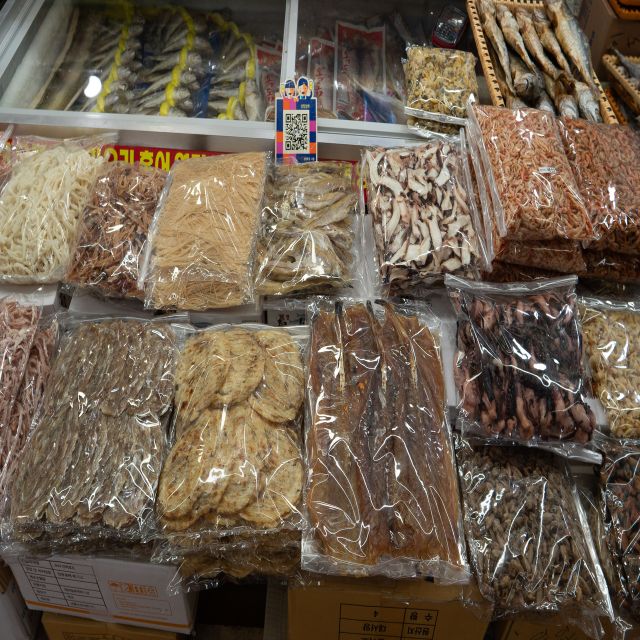
One of the most valuable parts of this tour is the visit to a trusted seafood vendor. This isn’t just a look-and-keep-moving stop. You get to observe the process of filleting and preparing fresh fish, which helps you understand what “fresh” actually means in real time.
Seeing how fish is cut and transformed into ready-to-eat portions changes your sense of value. It also makes the menu choices easier to understand, because you’ll connect the ingredient you saw to the dish you’ll eat afterward. That kind of before-and-after link is one of the reasons this tour works well even though it’s only 2 hours.
Some groups also get extra wow-factor moments. One participant specifically called out the live octopus experience as part of the tour’s ending meal. You should treat that as a possibility rather than a promise, but it gives you a clue about the kinds of sights your guide might help you interpret.
Lunch Included: Seasonal Sashimi and Spicy Fish Stew
The meal included with the tour is seasonal assorted sashimi plus spicy fish stew. That matters because it’s not random restaurant food. It’s meant to connect the market education to everyday eating—how Koreans eat seafood after the buying and prepping happens.
Sashimi at the market is also an opportunity to learn technique. One review noted learning sashimi in a Korean style, which usually means your guide helps with how to approach it rather than just pointing at it. When you understand what you’re tasting, it’s less intimidating, and the seafood feels more intentional.
Spicy fish stew is your comfort-and-reality check. Even if you’re nervous about raw seafood, stew gives you a warm, familiar route into the flavor profile. And because the meal is included, you’re not stuck figuring out food logistics right after you leave the stalls.
You can also read our reviews of more tours and experiences in Seoul

Price and Value: Is $110 for 2 Hours Reasonable?
At $110 per person for about 2 hours, this isn’t a “cheap and cheerful” market walk. The value isn’t in long time-on-site or a big shopping credit. You’re paying for three things that are hard to replicate on your own:
First, you get a local guide who translates seafood ingredients and market processes into something understandable in real time. Second, you get access to the filleting/handling viewing at a trusted vendor, which you’re unlikely to reproduce without someone steering you. Third, you get lunch tied directly to what you learned, with seasonal sashimi and spicy stew included.
If you were doing this independently, you might spend money on a meal anyway and still feel lost about what’s special. This tour compresses the learning curve and replaces guesswork with explanations. For many first-timers, that’s what makes $110 feel fair.
What I’d Consider Before Booking
This tour is great if you want a guided seafood education and a no-stress plan in a working market. It’s less ideal if you hate strong smells, dislike standing, or feel uncomfortable around live seafood sights. Also, if you have food allergies, you’ll want to communicate them in advance, since the tour includes both sashimi and a spicy fish stew.
Another consideration: reservations can’t be confirmed on weekends and holidays. And if the group doesn’t reach a minimum of 4 participants, the tour will be canceled with notice sent via WhatsApp. That doesn’t make it bad—it just means you should avoid planning it as your only food activity on a tightly timed weekend itinerary.
Who This Noryangjin Tour Suits Best
This is ideal for:
- Food lovers who want more than a meal and want the “why” behind Korean seafood culture
- First-time Seoul visitors who feel unsure about where to start in a huge market
- Travelers who like structured short experiences with a small group and an English guide
It may not be ideal for:
- People who want a quiet, slow, no-smell stroll
- Anyone with multiple or serious allergies who needs extra certainty beyond what’s explicitly communicated in advance
- Travelers who prefer to pick their own seafood without any guide interpretation
Quick Practical Tips so You Enjoy the Full 2 Hours
Bring shoes you can move in without worry. One person’s advice about waterproof shoes is worth taking seriously because market floors near stalls can be slippery. Keep your questions ready, too. The small group format is your chance to ask about seafood names, preparation methods, and what to order later.
Also, plan for communication from the operator. You’ll be informed by email/WhatsApp about meeting place and time, and it helps to be ready to check your messages before the tour starts. If you have allergies, tell the team in advance so the guide can steer the meal appropriately.
Finally, treat the tour like learning with your hands and eyes, not like shopping. The best moments usually happen when you slow down and watch the vendor work, then connect that step to what you’ll eat next.
Should You Book This Noryangjin Market Tour?
Book it if you want a guided introduction to Korea’s seafood culture with a strong “watch how it’s made, then taste it” flow. The combination of market orientation, seafood storytelling, a filleting viewing stop, and a meal of seasonal sashimi plus spicy fish stew is exactly the kind of structure that turns a famous market into an experience you’ll remember.
Skip or choose differently if you’re sensitive to strong smells, hate standing in crowds, or need a tour that’s mostly about browsing at your own pace. Also, if your schedule is locked for a weekend or holiday, build in flexibility because reservations may not be confirmed and the tour may cancel if minimum numbers aren’t met.
If your goal is to understand what you’re eating and not just eat because it’s there, this tour is a solid way to get it right fast.
FAQ
Where do I meet for the tour?
You meet at Exit 7 of Noryangjin Station.
How long is the Noryangjin seafood market tour?
The tour lasts 2 hours.
What’s included in the price?
It includes a local tour guide and lunch, which is seasonal assorted sashimi and spicy fish stew.
Is the tour guided in English?
Yes, the live tour guide speaks English.
What is the group size limit?
The group is limited to 10 participants.
Is the tour wheelchair accessible?
Yes, the tour is listed as wheelchair accessible.
Can I join if I have allergies?
Tell the operator in advance about any allergies. The tour includes seafood dishes, so it’s important to communicate needs before you go.
What happens if the tour cancels due to low bookings?
If fewer than 4 participants sign up, the tour will be canceled, and the cancellation notice is sent by WhatsApp.