REVIEW · GANGNAM TOURS
Seoul: Gangnam Tour on Youth and Society in South Korea
Book on GetYourGuide →Operated by 서울놈 SeoulDude · Bookable on GetYourGuide
Gangnam looks glossy, then it tells the truth. This 150-minute walk through Seoul’s Gangnam doesn’t just point at luxury. It links what you see—beauty ads, clinic signage, designer storefronts—to the social rules shaping daily life, and I love how guides like Jessica (and sometimes Jun) make it feel like a story you can follow.
I especially liked the way the tour uses history and modern life together, so topics like education pressure and beauty expectations don’t feel random. The one drawback is the tone: you’ll be walking through the harder side of South Korea, including mental-health and demographic realities, so it’s not the right fit if you only want light, feel-good sightseeing.
In This Review
- Key highlights you’ll care about
- Starting at Gangnam Station, and getting the tone fast
- Beauty ads, luxury storefronts, and the social script behind them
- How Korea’s history shapes modern life (and why that matters)
- Education pressure: when studying becomes a family project
- Plastic surgery and the beauty economy: more than vanity
- The harder side: suicide rates, low birth rate, and an unhappy paradox
- The sit-down chat and why the Han River ending changes your perspective
- Price, time, and whether it feels like value
- Small print that affects your comfort
- Who should book this Gangnam youth and society tour
- Should you book it?
- FAQ
- Where do I meet the guide?
- How long is the Gangnam Tour on Youth and Society?
- How much does it cost?
- What’s included during the tour?
- What should I bring?
- Is audio recording allowed?
- Is the tour suitable for older adults or reduced mobility?
- Can I cancel for a refund?
Key highlights you’ll care about
- Meet at Gangnam Station Exit 11, then start with the sights that sell perfection
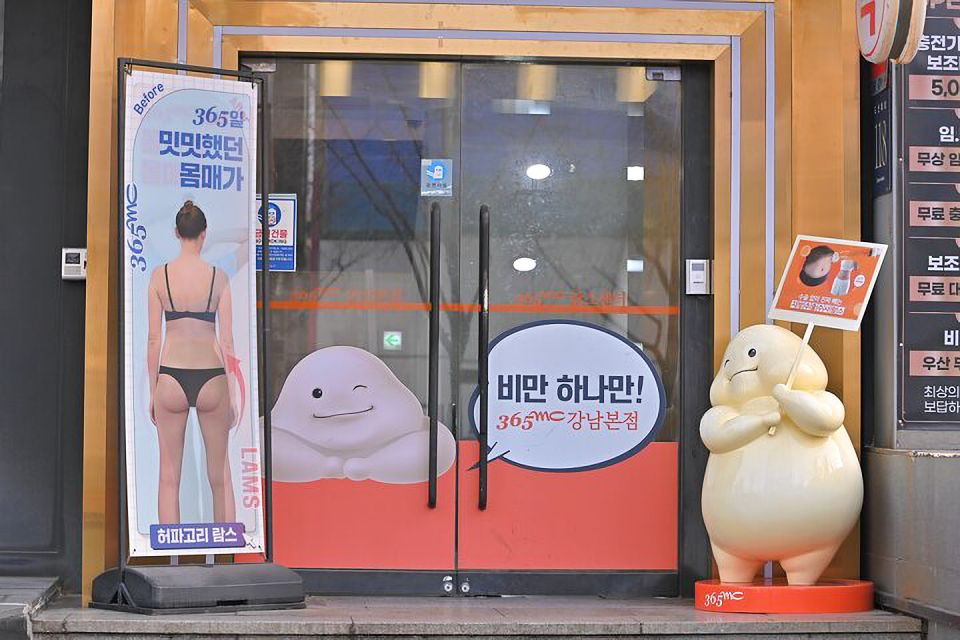
- Beauty-product and clinic advertisements explained, not just photographed
- Education pressure put into context, from parents’ expectations to students’ stress
- Plastic surgery boom and beauty standards tied to social identity and status
- A mid-tour sit-down chat so you can process and ask questions
- Seasonal comfort included with a portable fan in summer or hot packs in winter
Starting at Gangnam Station, and getting the tone fast
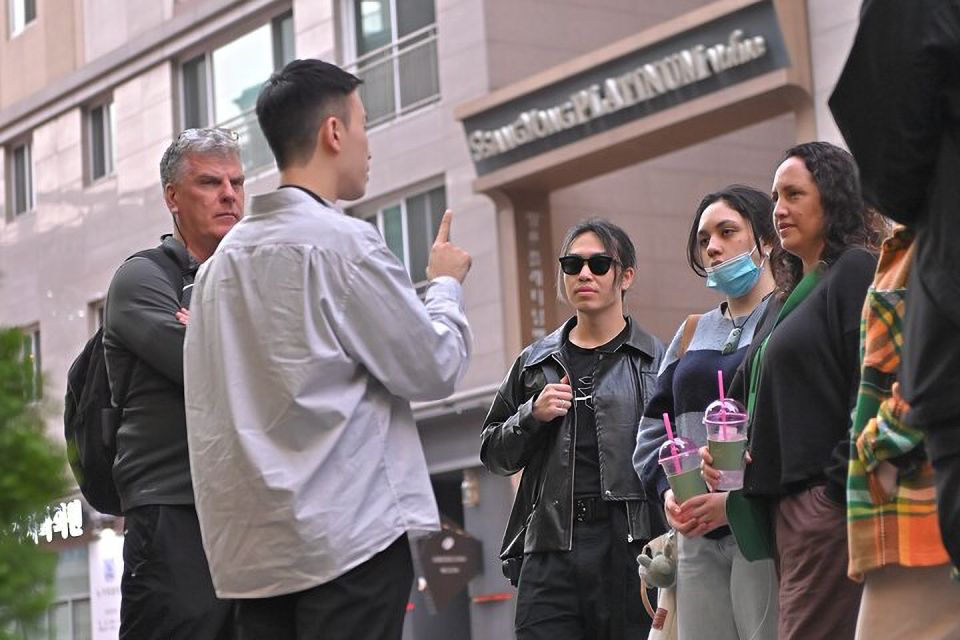
Your tour starts at Gangnam Station (Exit 11), with a live English guide who’s a local historian. This matters because Gangnam can feel like one big photo set. The guide’s job is to translate what you’re seeing—especially the messaging that’s aimed at younger people and families—into something you can actually understand.
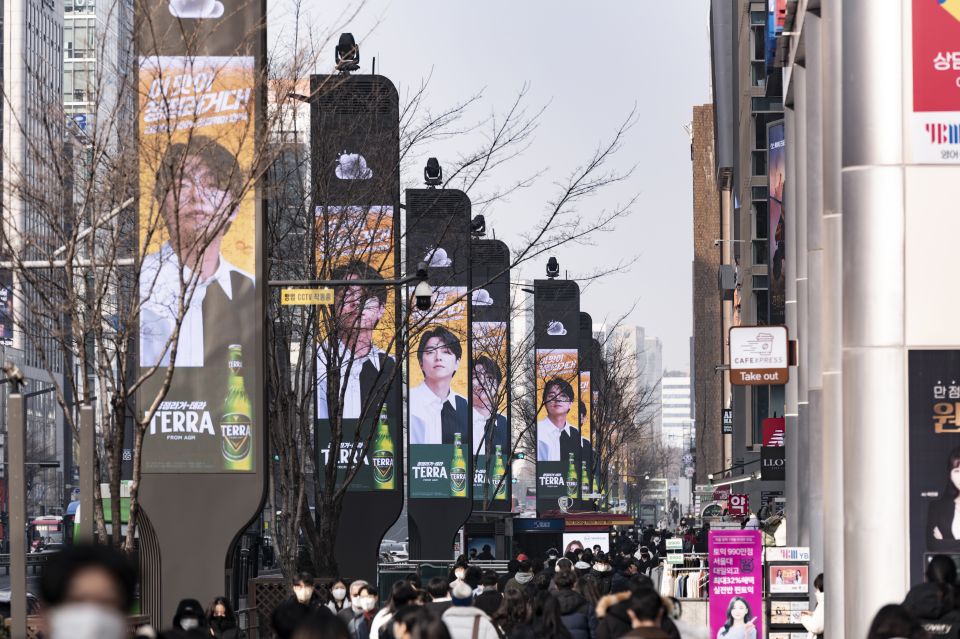
In practice, the first stretch is about orientation. You’ll move through busy streets threaded between tall buildings and constant storefront lighting, with attention pulled toward ads for cosmetics, luxury brands, and plastic surgery clinics. It’s a fast way to understand why Gangnam has a reputation, and why it’s tied to youth and society rather than just nightlife.
You can also read our reviews of more tours and experiences in Seoul.



Beauty ads, luxury storefronts, and the social script behind them
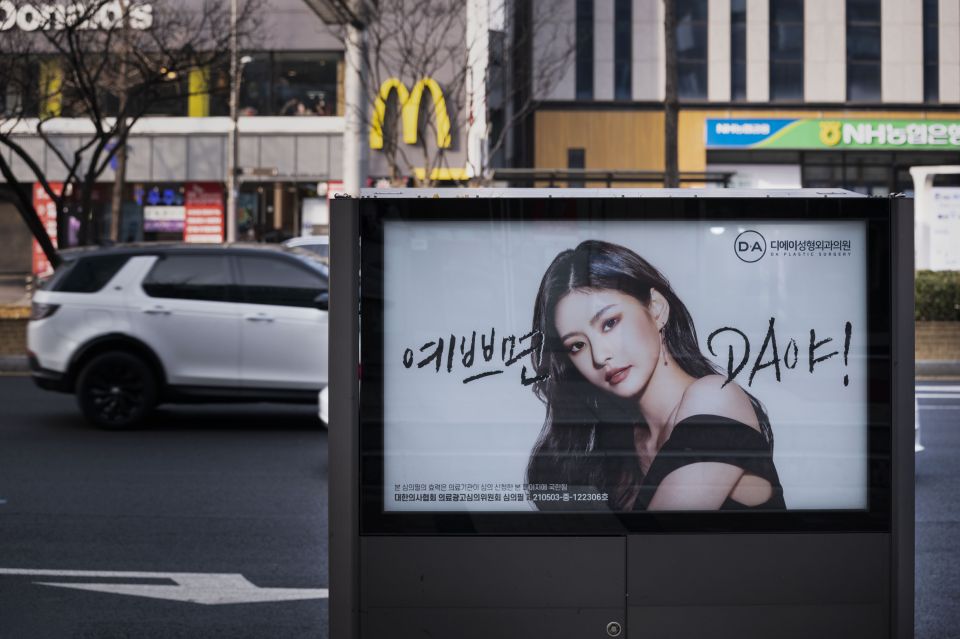
Gangnam is what happens when appearance becomes a system. On this walk, the guide doesn’t treat the visuals as background noise. You’ll notice how the neighborhood is engineered to keep you looking—at body ideals, at branded status, at the idea that upgrading yourself is normal.
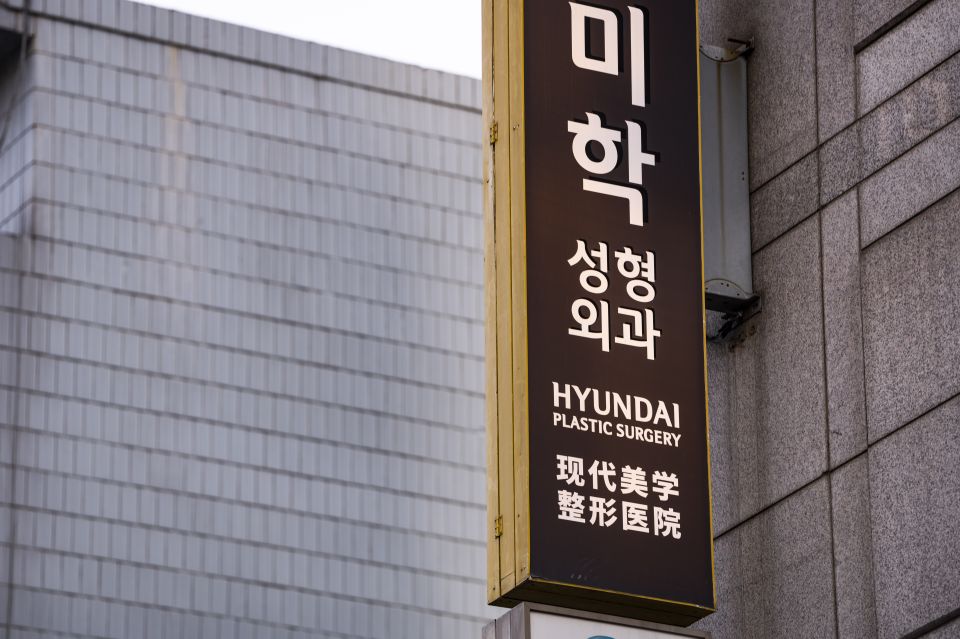
I like the way the tour makes you slow down without making it boring. You’re not just seeing a clinic sign; you’re learning what people are trying to buy with the clinic business model: confidence, social acceptance, career odds, marriage prospects, and sometimes just relief from pressure. And because the guide is telling the story with humor in the mix, it never feels like a lecture that drains your energy.
A practical note: the pace is “walkable,” but you should still plan for some stairs and city walking. One reviewer specifically called out that it’s physically doable with a seating break—so you’ll get recovery time, but you won’t be sitting the whole tour.
How Korea’s history shapes modern life (and why that matters)
This tour doesn’t treat modern Seoul as if it dropped out of the sky. You’ll get background on Korea’s history and how cultural patterns helped shape today’s norms—especially the role of family, the push toward achievement, and the importance of belonging.
That context is useful because it turns “culture shock” into “culture clarity.” When you understand how values formed, the pressure around education and appearance stops being random and starts being predictable. You can then see the logic people are responding to, even if you personally disagree with it.
If you’re into Korean pop culture—music, dramas, K-pop fandom—this section helps you connect the bright images to the social reality behind them. The tour frames youth coping mechanisms and the tension between modern international fame and traditional social rules.
Education pressure: when studying becomes a family project
Education comes up again and again on this tour, because it’s one of the clearest ways society sets expectations. You’ll learn how intense academic pressure lands on both kids and parents, with schooling treated like a life-defining ladder. The guide’s explanation makes it easier to understand why education feels less like learning and more like a survival strategy.
You’ll also hear about how careers and status work in the same ecosystem. When the goal is to be selected—by schools, by jobs, by social circles—every decision can feel high-stakes. That’s why the tour’s social focus can feel heavy: education pressure isn’t just stress; it’s a structure.
This is a good moment to ask questions if you’re curious about the day-to-day. The guide tends to invite discussion, and there’s even a longer sit-down chat during the tour where you can process and ask for examples.
Plastic surgery and the beauty economy: more than vanity
Gangnam’s beauty scene isn’t just a fad. The tour covers the plastic surgery boom and how Korean beauty standards became tied to social mobility and personal identity. You’ll see the advertisements up close, but the guide connects them to why people feel urgency, what they think beauty signals, and how that pressure spreads through everyday life.
This part can hit differently if you’re used to framing attractiveness as personal preference. Here, it’s often described as a social requirement—one that influences dating, marriage expectations, workplace perception, and how people read your confidence. The guide helps you see why clinics and products thrive when society rewards a narrow definition of success.
And because the tour is looking at youth specifically, the focus isn’t on old stereotypes. It’s about how younger generations learn the rules early, absorb them, and then cope with the consequences—sometimes through lifestyle spending, sometimes through anxiety, sometimes through a mindset of constant improvement.






The harder side: suicide rates, low birth rate, and an unhappy paradox
This tour includes discussion of challenging topics, including high suicide rates and South Korea’s low birth rate. It also talks about why a wealthy country can still feel unhappy, especially when pressure is always on and when the definition of a good life can feel unreachable.
I think the value here is balance: the tour doesn’t just list grim statistics. It connects them to the systems you’ve already seen—education competition, beauty standards, and the social rules that govern relationships. When you walk from billboard to billboard with that context, the neighborhood stops feeling like marketing and starts feeling like a map of stress.
Still, it’s important to be honest about fit. If you want a strictly sightseeing agenda, this may feel too direct. If you want to understand why young people cope the way they do—and why family decisions can feel like high-stakes bets—this is where the tour earns its score.
The sit-down chat and why the Han River ending changes your perspective
At some point, you get a break where you can sit and talk. One reviewer mentioned a roughly 30-minute chat session in chairs, and that kind of pause is smart on a walking tour with heavy subject matter. It gives you time to translate what you just learned into questions and personal takeaways.
Then the tour shifts to a calmer scene at the Han River. Ending there matters because it breaks the “pressure bubble” of the city center. You get a moment of open air and a wider view, which helps you think about what you learned instead of just absorbing it.
If you’re the type who likes walking tours that end with a real change in mood, you’ll probably appreciate this. It’s not just a route; it’s a perspective reset.
Price, time, and whether it feels like value
The price is $33 per person for 150 minutes. That’s a solid deal considering you’re getting a live English guide who’s a local historian, plus seasonal comfort items: a portable handsfree fan in summer or hot packs in winter.
Two cost reminders help you plan: a transportation fee of 2000 KRW is not included, and you should bring cash. Also, an optional Korean food session is not included. If you add food later, budget for it so you don’t get surprised.
In terms of value, this tour is strongest as a first or mid-trip anchor. It gives you a framework for what you’ll see in Seoul afterward, especially around dating, work culture, and the role appearance plays. You’re paying less for “sites” and more for interpretation—and in Gangnam, that interpretation is the point.
Small print that affects your comfort
This tour is for people who can handle a walking route and some stairs. It’s not suitable for people over 70 years and not suitable for mobility impairments, so check your own comfort level carefully.
Also, audio recording isn’t allowed. If you rely on voice notes for later research, plan to take written notes instead. On the plus side, multiple guides are reported to use clear audio setup tools, so you should be able to hear English instructions and stories without straining.
Who should book this Gangnam youth and society tour
Book it if you want Seoul beyond the glossy surface. You’ll get a guided explanation of youth pressures, education expectations, beauty standards, and social rules—plus why all of it hangs together in Gangnam.
You might skip it if you prefer tours that focus only on food, shopping, and nightlife without heavy social context. And if you’re sensitive to mental-health topics, you should consider whether this tone matches what you want on your trip.
Should you book it?
I’d recommend this tour if you’re curious about how South Korea works under the hood. The guides (often Jessica or Jun) bring strong storytelling, humor, and culture-to-culture perspective, which makes tough topics easier to digest.
If you’re ready for a walk that explains the pressure behind the posters and the logic behind the standards, this is one of the best ways to understand Gangnam in just 150 minutes.
FAQ
Where do I meet the guide?
Meet at Gangnam Station, Exit 11. The provided English address is 820-10, Yeoksam-dong, Gangnam-gu, Seoul.
How long is the Gangnam Tour on Youth and Society?
The tour lasts 150 minutes.
How much does it cost?
It costs $33 per person. A 2000 KRW transportation fee is not included.
What’s included during the tour?
The tour includes a local historian as your guide, the Gangnam walking tour, and seasonal items: a portable handsfree fan in summer or hot packs in winter.
What should I bring?
Bring cash.
Is audio recording allowed?
No. Audio recording is not allowed.
Is the tour suitable for older adults or reduced mobility?
It is not suitable for people over 70 years and not suitable for mobility impairments.
Can I cancel for a refund?
Yes. You can cancel up to 24 hours in advance for a full refund.