REVIEW · SUWON
Seoul: The 62nd Suwon Hwaseong Cultural Festival Day Tour
Book on GetYourGuide →Operated by KTOURSTORY · Bookable on GetYourGuide
A UNESCO fortress, a royal parade, and festival nights with lights and water. That mix is why this Suwon Hwaseong Cultural Festival day tour feels so different from a standard Seoul escape. I like that you get both heritage walking inside Suwon Hwaseong Fortress and festival set pieces like King Jeongjo’s parade and large-scale evening performances. One thing to consider: it only runs Sept 27–Oct 4, so your timing has to line up.
If you pick the right day, the schedule is designed to give you variety without wasting time. I also like the small, practical extras—like filming-location context and an option to wear royal-style hanbok on Sept 28. The trade-off is that meals aren’t included, so you’ll want to plan for lunch on free-time blocks and dinner during the stall area on the Sept 29–Oct 4 program.
In This Review
- Key highlights worth centering your plans on
- Why Suwon’s festival feels like more than a day out
- Picking the right day: Sept 27, Sept 28, or Sept 29–Oct 4
- Sept 27: Korean Folk Village in the morning, fortress walking after lunch
- Sept 28: Festival filming spots, hanbok for royal-style photos, and King Jeongjo’s parade
- Sept 29–Oct 4: Fortress tour, K-drama spots, dinner stalls, and night shows with reserved seats
- The guide factor: how you get more out of the fortress and filming spots
- Price and value: what $15 gets you, and what you still need to budget
- Practical tips to enjoy the festival smoothly
- Should you book this Suwon festival day tour from Seoul?
- FAQ
- What dates does the Suwon Hwaseong Cultural Festival day tour run?
- How long is the tour on most dates?
- Is transportation included?
- Is a guide included, and what languages do they speak?
- Are meals included?
- Is hanbok included?
- Do I need tickets for the night performance?
- Are there extra activities available on-site?
- Are infants charged, and do they get a seat?
Key highlights worth centering your plans on
- UNESCO Suwon Hwaseong Fortress as the stage for history tours and night performances
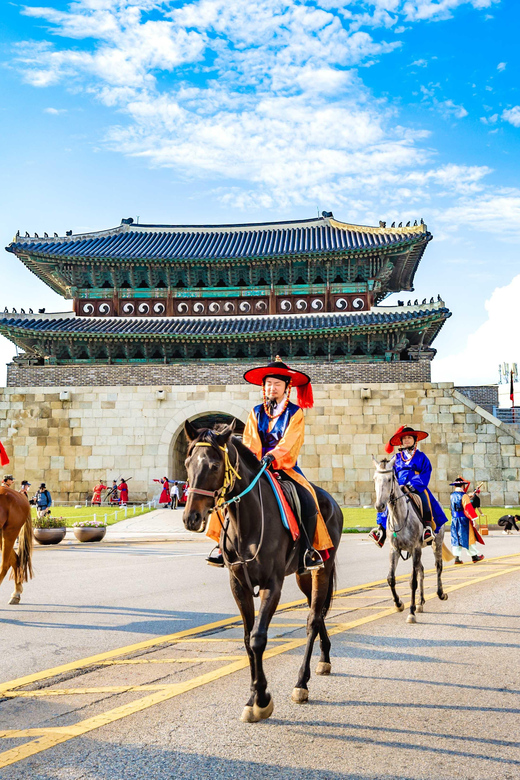
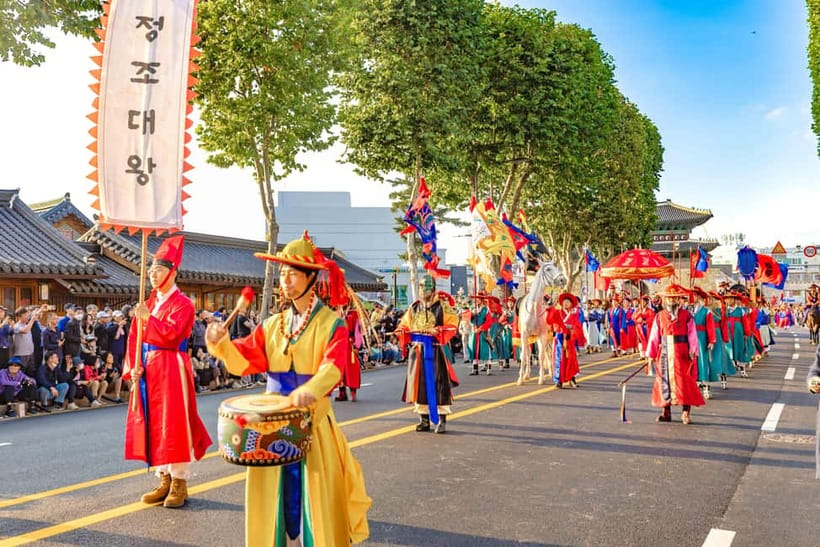
- King Jeongjo’s Royal Parade on a dedicated date, with costumed reenactment
- K-drama filming spots introduced by your guide, so you know what you’re looking at
- Reserved seats for stage shows on Sept 29–Oct 4
- Hanbok experience (Sept 28 only) for a full royal-style dressing moment
- Different show themes by date: Jinchan, Seonyu-mong, and Suwon Fantasy: Yajo
Why Suwon’s festival feels like more than a day out
Suwon Hwaseong Fortress is already a strong reason to go. It’s UNESCO-listed, and on festival days it becomes more than a viewpoint—it turns into the place where performances happen, where guided tours make the architecture and storylines click, and where the night program becomes part spectacle, part cultural show.
What makes this tour work for real visitors is how it sequences attention. You’re not just dropping into a crowded festival and hoping you hit the best parts. You get a guide who connects what you see (fortress walls, historical sites, and filming spots) to what the festival is staging that day. Then you’re given time to experience the festival atmosphere on your own.
The result is a day that feels balanced: enough structured moments to prevent guesswork, plus free time blocks so you can actually roam, snack, and take photos without feeling herded.
You can also read our reviews of more tours and experiences in Suwon.
Picking the right day: Sept 27, Sept 28, or Sept 29–Oct 4
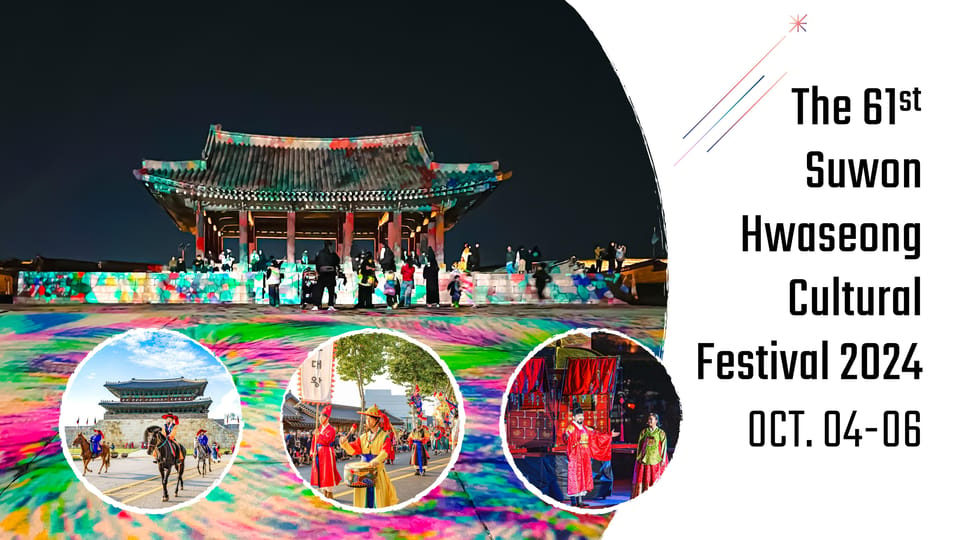
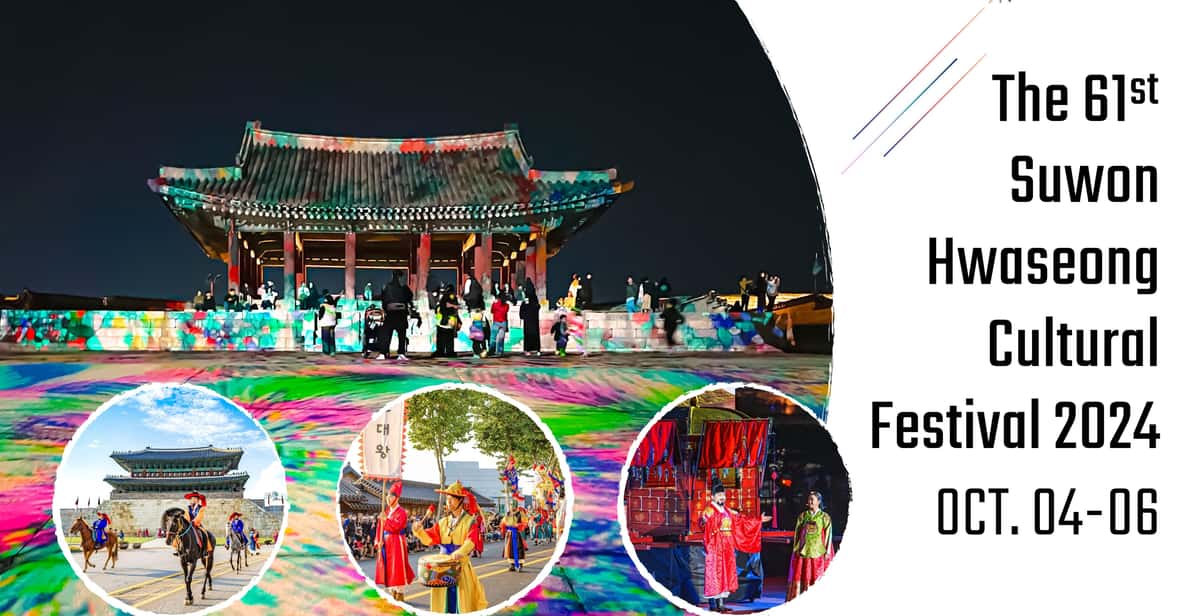
This tour is seasonal and split into different program formats, each with its own “main character.”
Sept 27 focuses on a heritage start and a fortress walk. You begin at the Korean Folk Village, then move to Hwaseong Fortress for a guided walking tour and festival time.
Sept 28 is the costume and parade day. You spend more time at the festival grounds first, add a hanbok experience, and then join King Jeongjo’s Royal Parade through Suwon streets.
Sept 29–Oct 4 becomes the full festival-night version. You get a guided fortress tour, a K-drama filming-spot route with your guide, dinner with traditional stall options, and a live show inside the fortress with reserved seats. Show themes shift by date, so if you’re choosing among days, it’s worth matching your taste for art, water-themed performance, or fantasy storytelling.
So yes, the dates matter. If you can choose, you should pick based on what you most want to photograph and what kind of evening you’re hoping for.
Sept 27: Korean Folk Village in the morning, fortress walking after lunch
On Sept 27, your day has a clean flow: start with Joseon-era life, then transition to Suwon’s fortress world.
10:30–13:30 begins at the Korean Folk Village. Expect traditional homes and artisan-style cultural elements that help you visualize how people lived much earlier than modern Seoul. It’s the kind of start that makes later fortress details easier to understand, because it frames the culture before you step into the historical setting of Suwon.
14:40–18:00 shifts to Hwaseong Fortress. You get a guided walking tour, plus free time to enjoy the festival atmosphere. This free block is important. The fortress grounds during a festival tend to be where you’ll find the small, unplanned moments—signs, vendors, performances in passing, and photo angles that don’t show up when everything is scripted.
A practical note: fortress walking means you’ll want comfortable shoes and a plan for weather. The itinerary is subject to traffic and weather conditions, so the exact pace can vary.
Sept 28: Festival filming spots, hanbok for royal-style photos, and King Jeongjo’s parade
If you want a day that feels like you dressed for the occasion, Sept 28 is the one.
You start 11:30–14:00 directly at the festival grounds. This part is especially useful if you like K-dramas, because your guide introduces famous filming locations and historical sites as you move through the area. Even if you’re not a hardcore fan, you’ll still benefit from the context—seeing how locations and stories are connected makes the festival feel intentional.
Then 14:30–15:30 adds the costume moment: a traditional garment experience (hanbok). On this date, the experience fee is included in the tour. The focus is royal-style attire, so it’s not just a basic outfit rental. It’s a full visual theme match for the rest of the day.
The highlight comes 16:00–18:40 with King Jeongjo’s Royal Parade. You join costumed performers and march through Suwon streets in a reenactment style event. This is a key reason to pick this date: the parade isn’t only something you watch from the sidelines. It’s participation-heavy, and that changes the energy of the experience.
One consideration: wearing traditional clothing can affect how long you want to walk. I’d treat this as a “go with the flow” day for comfort, photos, and parade time—not a day to chase extra independent sightseeing far from the main route.
Sept 29–Oct 4: Fortress tour, K-drama spots, dinner stalls, and night shows with reserved seats
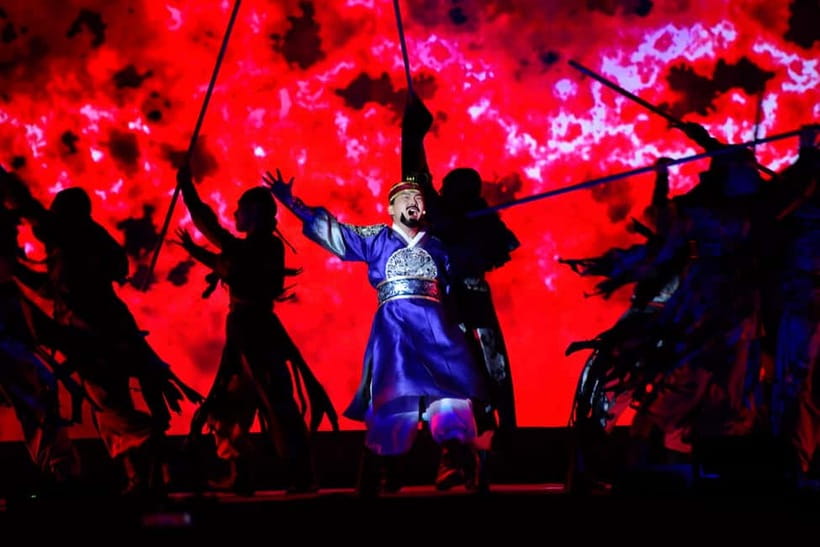
This is the program if you’re chasing the festival at its most dramatic.
You begin 11:30–13:30 with a guided tour of Suwon Hwaseong Fortress. Since the fortress is UNESCO-listed, your guide’s explanations matter more than you might expect. Walls and gates can look similar from a distance, but a good walkthrough helps you connect what you’re seeing to the story the festival is drawing from.
After lunch, you have time to roam: 13:30–18:00 includes discovery time plus more K-drama filming spots introduced by your guide. This is one of the most satisfying parts of the tour format, because it turns random sightseeing into a mini storyline. You start spotting details you would otherwise skip.
Then 18:00–19:00 is dinner. Instead of a fixed sit-down meal, you’re guided to a dinner setting with plenty of traditional food stalls and local eats to choose from. This is a practical advantage: you can pick what you feel like eating rather than being locked into one menu.
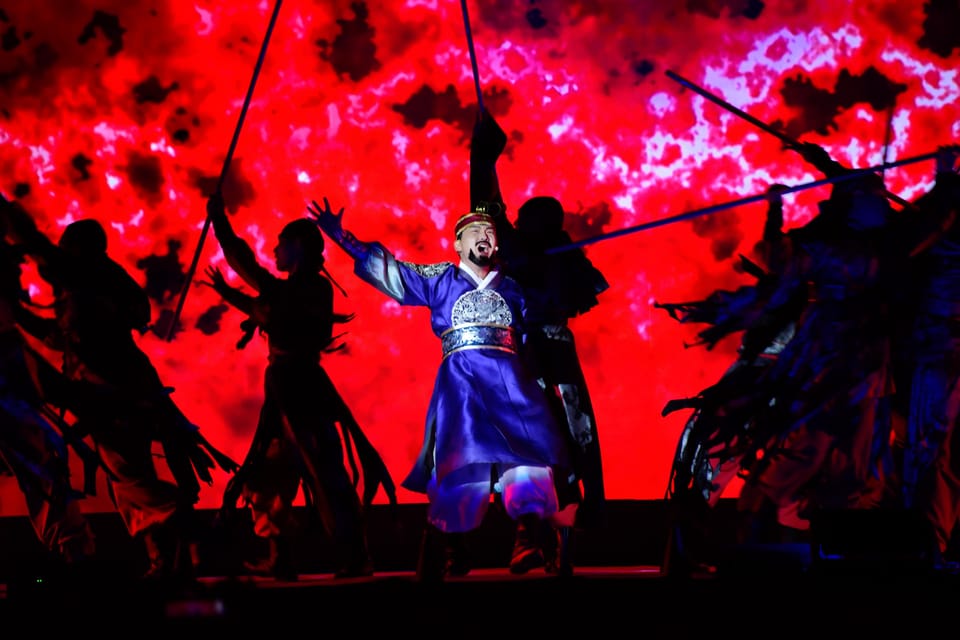
Finally, 19:30–21:00 brings the night show inside the fortress, with reserved seats (so you’re not relying on luck). Each day has a different live show theme:
- Sept 29–30: Jinchan
- Oct 1–2: Water performance, Seonyu-mong
- Oct 3–4: Suwon Fantasy, Yajo
If you care about the “type” of performance—art vs water vs fantasy—this is where you can make your date choice meaningful.
A quick reality check: the night show is the reason these days sell out quickly for festival-lovers. So if you’re unsure, pick the date that best matches your show interest, then commit.
The guide factor: how you get more out of the fortress and filming spots
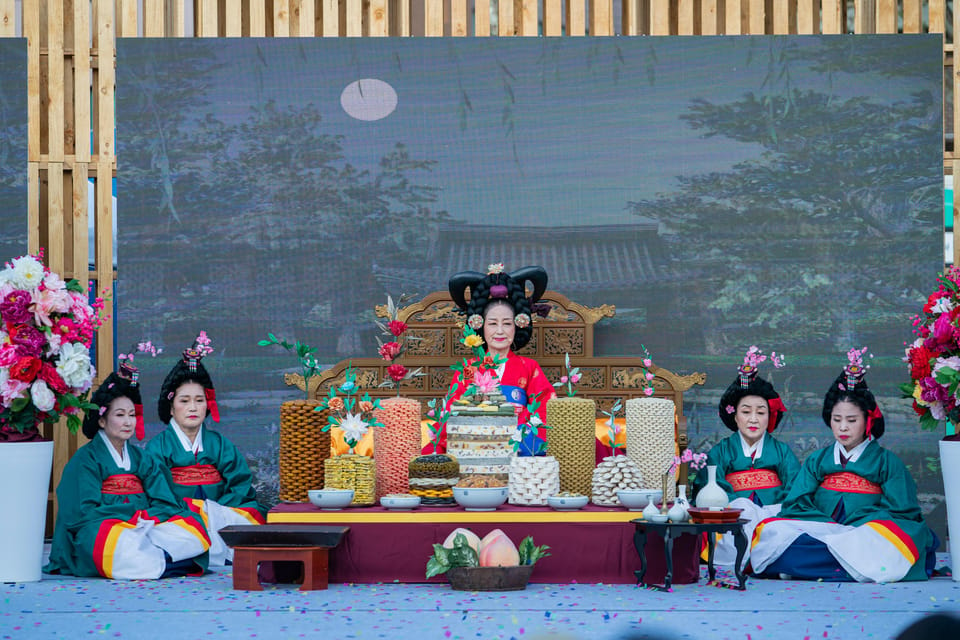
This tour works best when the guide turns “places” into “understandable moments.” It includes an English & Chinese speaking guide, and languages for the experience are listed as Chinese, English, and Korean. That matters because festival schedules can move based on conditions, and you’ll want clear direction.
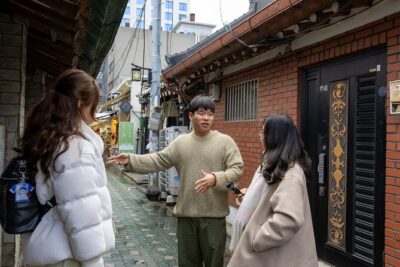
One name shows up in praise repeatedly: Cecilia, described as warm and steady, especially helpful even when the weather wasn’t ideal. That’s a clue about what you should look for in your own expectations. You’re not just buying tickets to a show; you’re buying interpretation. A guide who explains where filming spots are and what historical features matter can easily make the difference between seeing a location and actually understanding why it matters.
If you’re the type who likes photos, the guide also helps you time where to stand and what to notice. If you’re the type who cares about context, the fortress walk and site introductions do the heavy lifting.
Price and value: what $15 gets you, and what you still need to budget
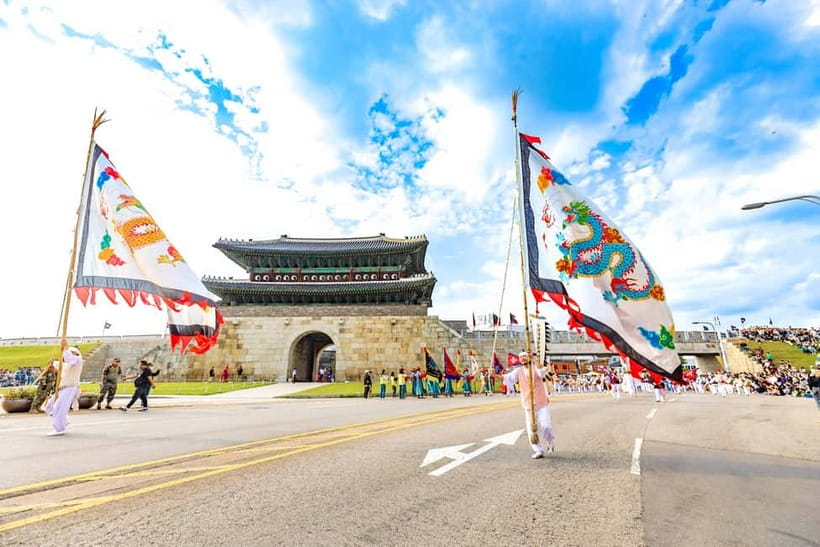
At $15 per person, this tour is priced in a way that feels designed for value. Transportation is included, you get guided time, and on the key dates you get extra included perks (like hanbok experience on Sept 28 and reserved seats on Sept 29–Oct 4).
What you should budget for:
- Meals are not included. Lunch is typically covered by the day’s structure and free time, and dinner is provided as a stall-choice setting during the evening program dates.
- Personal expenses beyond the stated included items.
- Optional on-site experiences may have extra fees.
So the real value equation is: you’re paying for the “festival logic.” Without this kind of guided structure, you’d likely spend more time figuring out routes, show timing, and how the fortress festival connects to the historical story you’re seeing.
Is it a luxury tour? No. It’s a smart cultural day with clear anchors. For the price, that’s exactly the point.
Practical tips to enjoy the festival smoothly
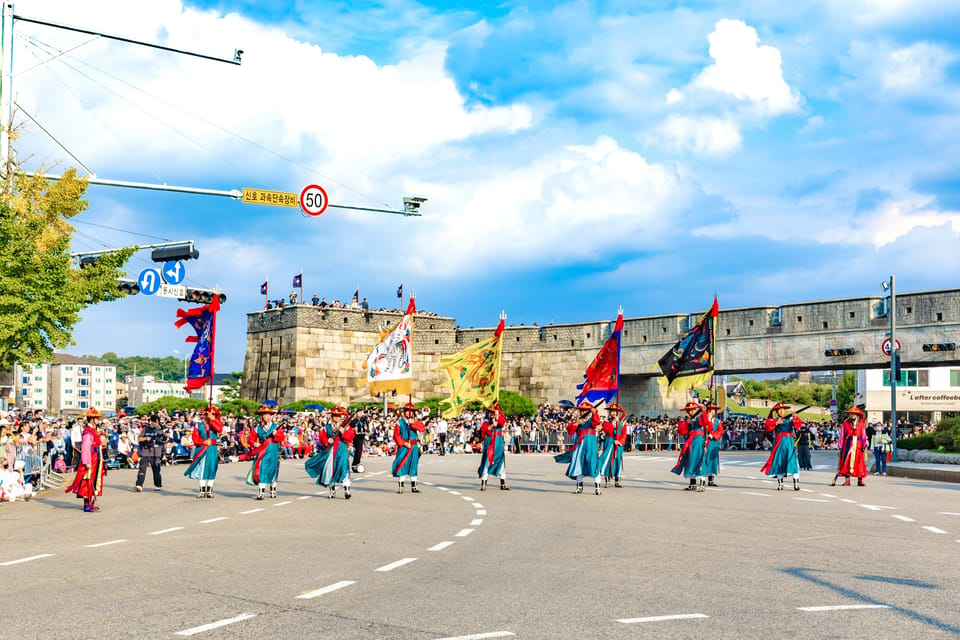
A few things will make this day feel effortless instead of stressful.
1) Plan for weather and traffic swings. The schedule is explicitly subject to traffic and weather conditions. That doesn’t mean chaos; it means you should stay flexible with your expectations about exact pacing.
2) Wear shoes you can trust. Fortress walking + parade movement is still walking. Comfortable footwear matters more than anything you pack.
3) Use the free time blocks wisely. You’ll have time to enjoy festival atmosphere on Sept 27, and on Sept 29–Oct 4 you’ll have free discovery plus a dinner-choice window. Don’t overschedule your own sightseeing. Let the festival guide the day.
4) Want extras beyond the set program? On-site seasonal experiences can be available, such as makgeolli pairing class, dessert making, and a royal attire studio. Availability depends on the day, and fees are paid directly. If you’re curious, treat these as add-ons, not core requirements.
5) If you’re traveling with a baby or mobility needs. You should inform the provider if you’ll bring a stroller or wheelchair. Infants are free of charge but there’s no seat available.
Should you book this Suwon festival day tour from Seoul?
Book it if:
- You want a guided day that includes fortress history, a major parade or night show, and direction for festival highlights.
- You’re traveling in the limited window Sept 27–Oct 4 and want to make the most of that time.
- You like K-dramas enough to enjoy filming-location context, even if you’re not trying to tick off a checklist.
Think twice if:
- Your dates aren’t flexible, since the tour is only offered during that specific festival week.
- You hate walking or plan to do lots of independent sightseeing far from the core festival flow.
- You’re expecting meals to be included. You’ll choose from traditional options on some dates, but you should still plan your food budget.
If you’re deciding between days, I’d match your priorities: choose Sept 28 for hanbok and the parade energy, and choose Sept 29–Oct 4 for the reserved-seat night show inside the fortress.
FAQ
What dates does the Suwon Hwaseong Cultural Festival day tour run?
The seasonal tour is available from September 27 to October 4.
How long is the tour on most dates?
It’s presented as a day program, with time blocks that typically run from late morning into the evening, including a night show on Sept 29–Oct 4.
Is transportation included?
Yes, transportation is included.
Is a guide included, and what languages do they speak?
Yes. The tour includes an English & Chinese speaking guide, and the listed languages are Chinese, English, and Korean.
Are meals included?
No. Meals are not included, though on Sept 29–Oct 4 dinner is organized with traditional food stalls to choose from.
Is hanbok included?
The traditional garment (hanbok) experience fee is included only on Sept 28.
Do I need tickets for the night performance?
For Sept 29–Oct 4, the tour includes reserved seats for the stage performance. The show is held inside the fortress.
Are there extra activities available on-site?
Yes. On-site options like makgeolli pairing, dessert making, and a royal attire studio may be available depending on the day, and you pay any extra fees directly.
Are infants charged, and do they get a seat?
Infants are free of charge, but there is no seat available for infants.